Fun Mineral-Filled White Blend From the Loire Valley

Today’s Story: Domaine de Bellevue

Domaine de Bellevue was established by Jérôme Brétaudeau in the Muscadet wine region of France’s Loire Valley. Not far from the Atlantic Ocean, the domaine sits in a maritime climate on granite soils where the wines are often low in alcohol and high in acidity with pronounced mineral characteristics. Domaine de Bellevue consists of 12 hectares (30 acres) of vineyards which are all farmed organically since 2009. Jérôme is in the process of moving to full biodynamic viticulture now. Jérôme works with 11 different varieties which is somewhat unusual in the region, and they include Merlot, Pinot Gris, Sauvignon Gris, Savagnin, and Chardonnay to name a few. Winemaking here is rather traditional and minimally invasive so the wines can express themselves and the terroir in honest fashion, and they typically age in concrete eggs or clay amphorae.
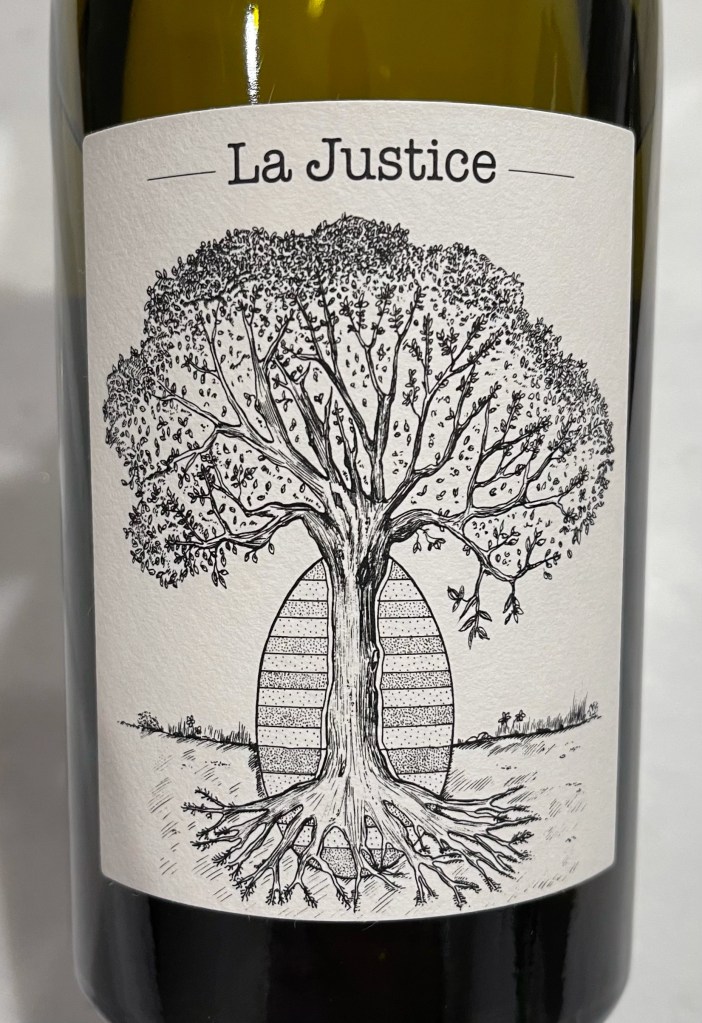
Today’s Wine: 2019 La Justice

75% Chardonnay, 25% Savagnin; 12% ABV

The 2019 La Justice is pale gold in color. Given some time to open up in the glass, the aromas are of pronounced intensity and the nose showcases notes of yellow apple skins, lemon peel, stone fruit, white lily, flint, oyster shell, sea salt, and vanilla bean. There’s also a note somewhat reminiscent of cotton candy. Meanwhile the flavors are of medium intensity and the palate displays notes of baked yellow apple, ripe pear, tropical citrus, white floral blossom, dill, chalk, and brine. This dry white blend is medium-bodied with high acidity, medium alcohol, and a long finish. Very fun and enjoyable to drink.

Price: $46. I think this is pretty fairly priced and even a good value given its complexity, balance, length, and fun factor. While the palate isn’t as intense as the nose, there are a lot of great factors at play here and this even reminds me a little bit of white Burgundy but with a heavier mineral presence.

Great Value Pinot Noir to Stand Up to the Cult Wineries of the Russian River Valley

Today’s Story: Little Boat

Little Boat is a very small wine producer based out of Sonoma, California and it was established out of passion for wine and a father’s love for his son. I first learned of Little Boat when I met proprietor José Ignacio Cuenca at a Los Angeles restaurant, where we struck up a friendly conversation about family, wine, and other topics. I also had the pleasure of meeting his son Mateo, who created the artwork on the Little Boat labels. Little Boat is a group effort, and José works with Brad Alper, William Knuttel, Mike Miller, and the Treyzon family to craft these wines. They also receive help from sommeliers Harley Carbery, Phillip Dunn, Lucas Payá, and Robert Smith MS. Little Boat produces a range of wines including most notably a Russian River Valley Chardonnay, a Russian River Valley Pinot Noir, and a Dry Creek Valley Cabernet Sauvignon. (I previously wrote about the Pinot and Cab). There is also a rosé, very limited quantities of a reserve Pinot Noir, and a Rioja! Placement of these wines is highly selective, and they are generally found in high-end hotels and restaurants or highly curated wine stores.

I previously wrote about the 2018 Little Boat Pinot Noir and 2016 Little Boat Cabernet Sauvignon, so I’m excited to review the 2018 Pinot Noir Reserve today.

Today’s Wine: 2018 Pinot Noir Reserve

100% Pinot Noir; 13.7% ABV

The 2018 Pinot Noir Reserve is pale ruby in color. Aromas are of pronounced intensity, with the nose showcasing notes of black cherry, black raspberry, red plum, violet, leather, cracked pepper, and cedar. Meanwhile the flavors are of medium (+) intensity and the palate showcases notes of strawberry, red cherry, dried red licorice, tobacco, underbrush, charred green herbs, and mild baking spice. This dry red is light- to medium-bodied with medium (+) acidity, medium (-) tannins, medium alcohol, and a medium (+) length finish. This wine can stand up to any of the “big names” of Russian River Valley Pinot Noir, and it’s certainly a treat to taste.

Price: $45. This offers considerable value for Russian River Valley Pinot Noir, particularly given its intensity, complexity, and balance at this young age. As I tasted this and the “cult” RRV winery names popped into my mind, I was truly impressed by this Little Boat bottling.

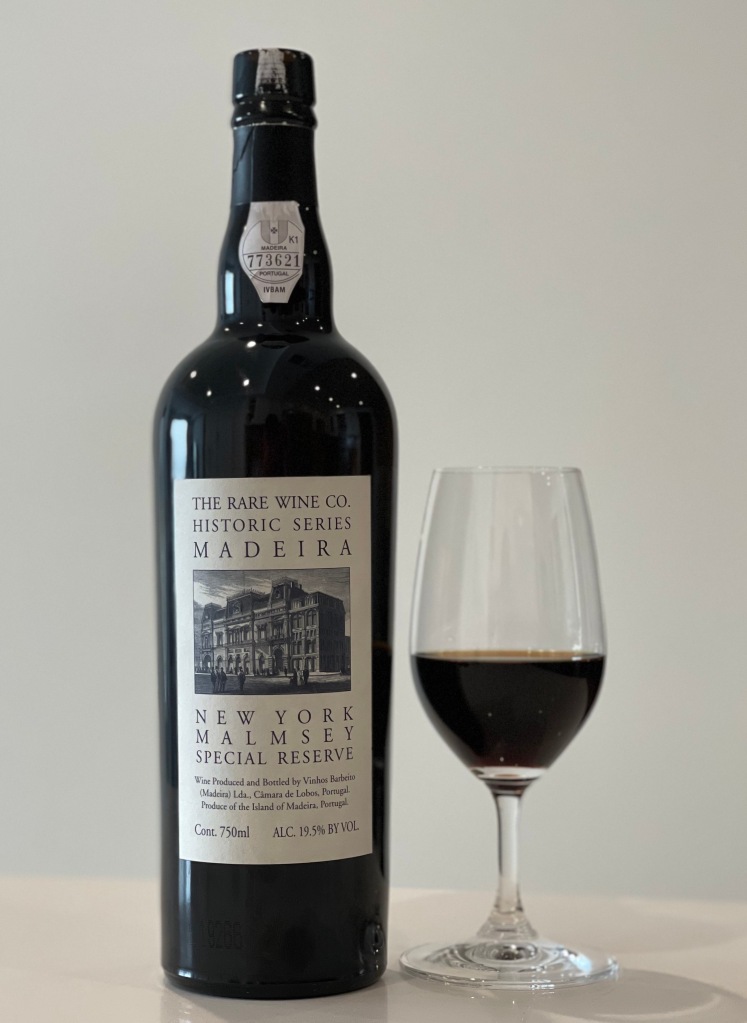
A Great Entry-Level Sweet Madeira

Today’s Story: The Rare Wine Co. Historic Series Madeira

The Rare Wine Co. Historic Series Madeira is a project launched in 1998 by Ricardo Freitas (owner of Madeira producer Vinhos Barbeito) and Mannie Berk (owner of The Rare Wine Company). The project was launched out of a mutual appreciation and love of Madeira, a wine that was America’s most highly sought-after during the 18th and 19th centuries before falling into obscurity. With a core portfolio of wines names after American cities where Madeira was most-prized, the Historic Series Madeira bottlings are meant to capture the unique style of each place. These include the Baltimore Rainwater Special Reserve, Charleston Sercial Special Reserve, Savannah Verdelho Special Reserve, Boston Bual Special Reserve, and New York Malmsey Special Reserve which showcase the tendency for drier Madeira in the southern states and sweeter Madeira in the northern states. In addition to this core portfolio, the Historic Series Madeira also includes limited releases named for Thomas Jefferson, George Washington, James Madison, and the city of New Orleans. All wines are blended with Madeira ranging from 10 to 60 years old, and they are meant to be affordable bottlings to re-introduce this great wine to wider groups of consumers.

I previously reviewed the NV Charleston Sercial Special Reserve Madeira from The Rare Wine Co.

Today’s Wine: NV New York Malmsey Special Reserve Madeira

100% Malvasia; 19.5% ABV

The NV New York Malmsey Special Reserve is medium tawny in color though it has brownish hues since I’ve had this open for a few days. The aromas are of pronounced intensity, with the nose showcasing notes of fruitcake, spiced plum, prune, fig, clove, coffee grounds, toffee, and walnut. Flavors are also of pronounced intensity, and the palate displays notes of dates, fig, fruitcake, sweet tobacco, caramel, mocha, browned butter, and oaky spice. This sweet Madeira is full-bodied with medium (+) acidity, low tannins, high alcohol, and a long finish.

Price: $50. I think this is very solid value for Madeira, as the balance, length, intensity, and complexity here are quite profound. Though there are certainly better Madeiras out there, this Malmsey and the others from The Rare Wine Co. Historic Series are great beginner bottlings.

Fun Natural Red Blend From a Relatively New California Producer

Today’s Story: Lo-Fi Wines

Lo-Fi Wines was established in 2014 by lifelong friends Mike Roth and Craig Winchester. Centered in a belief wines should be honest and transparent representations of their vintage and variety, Lo-Fi wines are meant to be consumed as everyday drinkers to pair with a broad range of foods and not locked away in the cellar. Through minimal intervention winemaking, Lo-Fi wines ferment naturally with native yeasts and see minimal to zero sulfur additions and no pH adjustments. The wines age in neutral oak barrels and are mostly bottled unfiltered, with the final product an easy-drinking and low alcohol wine. A number of the wines also see whole cluster fermentation and carbonic maceration, including the wine I am reviewing today.

Today’s Wine: 2020 Gamay / Pinot Noir

72% Gamay, 28% Pinot Noir; 12% ABV

The 2020 Gamay / Pinot Noir is pale garnet in color and it almost has hues of deep salmon. This is unfiltered so there is some sediment as well. A bit funky right out of the bottle, I decided to let this open up in the glass for about 45 minutes and it was singing. The aromas are of medium intensity, though the nose is gorgeous with aromas of bright red cherry, strawberry, cranberry, gamey red meat, hibiscus, white pepper, and stony mineral. Meanwhile the flavors are also of medium intensity and the palate displays notes of cherry, wild raspberry, freshly picked strawberry, rose, violet, white pepper, and savory green herbs. This dry red blend is light-bodied with medium (+) acidity, low tannins, medium alcohol, and a medium length finish. 710 cases produced.

Price: $22. I think this offers very solid value, particularly given its high quality, balance, and drinkability. While this could be more intense or longer on the finish, I don’t think that’s necessarily a focal point as these are meant to be consumed young and enjoyed by all.

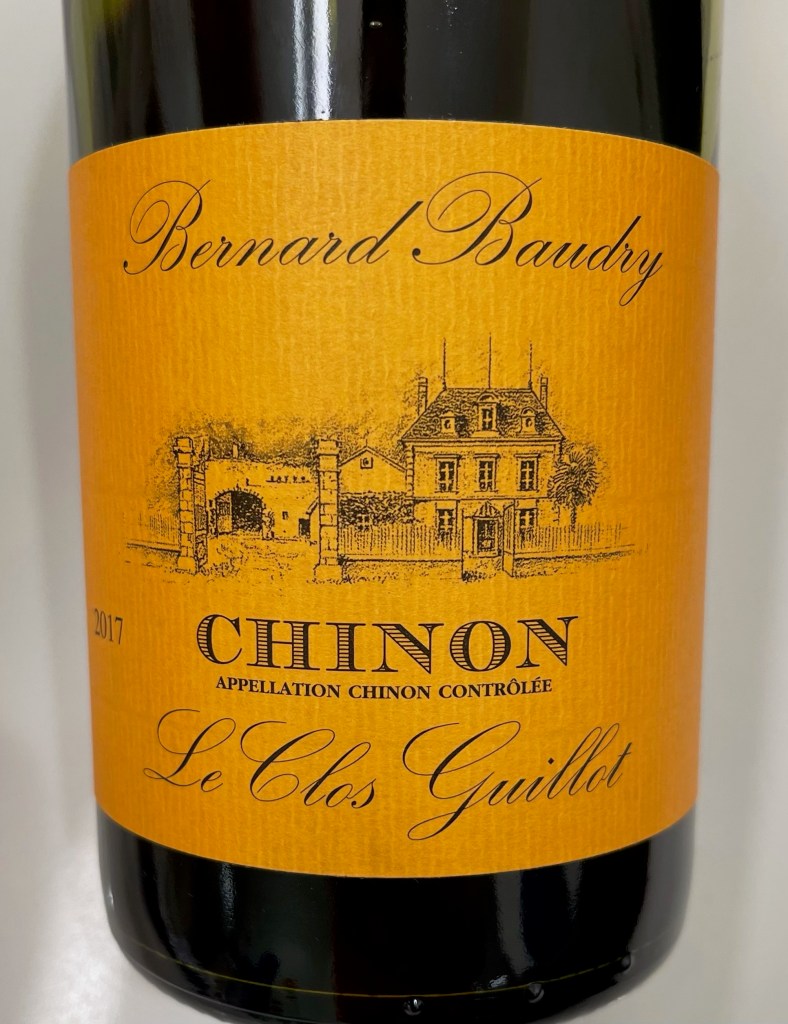
Beautiful Representation of Cabernet Franc From an Outstanding Loire Valley Producer

Today’s Story: Domaine Bernard Baudry

Domaine Bernard Baudry was established in 1975 by Bernard Baudry in the village of Cravant-les-Coteaux within the Chinon AOC of France’s Loire Valley. Bernard began with 2 hectares (5 acres) of vines though he grew his domain to 32 hectares (79 acres) of vineyards over time. Bernard’s vineyards are planted to about 90% Cabernet Franc and 10% Chenin Blanc, and their soil types vary greatly across gravel, limestone clay, and sandy limestone throughout the Chinon AOC. Though the vineyards have always been maintained without chemical weed killers, all viticulture has been entirely organic since 2006. Winemaking is meant to be minimally invasive, which begins with manual harvest and gravity-fed movements in the cellar. All plots are harvested and vinified separately, following native yeast fermentation with no adjustments or additions. Some wines age in cement vats and others in oak barrels (when they want more structure) before most are bottled unfiltered. The rosé, white wines, and Les Granges are filtered for bottling. Remaining a family venture, Bernard’s son Matthieu joined in 2000 and largely leads winemaking today.

Today’s Wine: 2017 Le Clos Guillot

100% Cabernet Franc; 13% ABV

The 2017 Le Clos Guillot is deep purple in color and opaque. I decanted this for about an hour, which really helps to bring out some of the more nuanced notes at this stage. The aromas are of pronounced intensity, with the nose showcasing aromas of blackberry, plum, black raspberry, cigar box, green bell pepper, tomato, leather, pencil shavings, wet gravel, and crushed rock. Meanwhile the flavors are of medium (+) intensity, with the palate displaying notes of black cherry, blackberry, red plum, black tea leaf, dried underbrush, green bell pepper, mushroom, and crushed gravel. This dry red is medium-bodied with medium (+) acidity, medium (+) but fine-grained tannins, medium alcohol, and a medium (+) length finish.

Price: $35. I think this is a very solid value wine, though it won’t be for everyone. The quality is incredibly high and the complexity at such a young age is great. The only reason I say it might not be for everyone is it’s incredibly terroir-driven and those classic Cab Franc bell pepper and green notes are there that can sometimes turn people away.

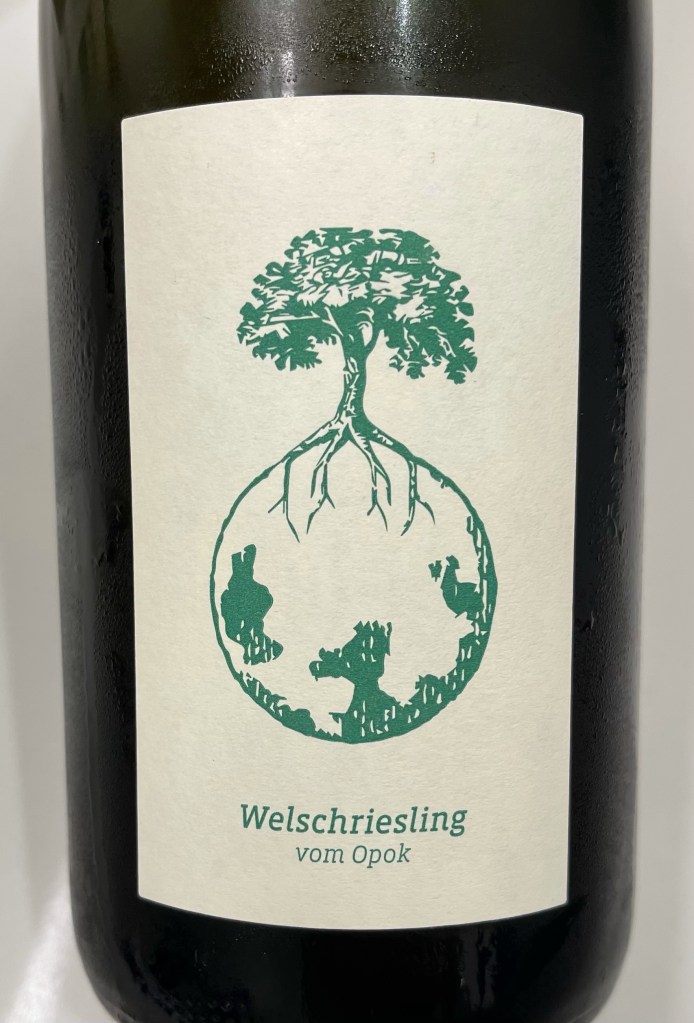
My First Time Exploring Welschriesling

Today’s Story: Weingut Werlitsch

Weingut Werlitsch is a relatively small family-owned and operated wine estate and farm located in southern Styria in Austria. Viticulture and winemaking are spearheaded by Ewald Tscheppe, who took over this family property at the age of 26. Though the Tscheppe family had been involved in winemaking and farming for generations, Ewald is part of a newer generation making exciting, complex, and long-lived wines while advocating for biodynamic viticulture and minimally invasive winemaking.

The estate consists of about 18 hectares (44 acres) with roughly 12.5 hectares (31 acres) planted to vineyards and the balance dedicated to the winery, forests, pastures, and gardens. Weingut Werlitsch is certified biodynamic, and practically all of the vineyard work is done by hand thanks to the very steep slopes that make up the property. The vineyards are planted predominantly to Sauvignon Blanc and Morillon (a biotype of Chardonnay), though Ewald also grows Welschriesling. All fruit is hand-harvested, experiences slow pressing, and goes through fermentation only with native yeasts. Élevage is in large barrels and Austrian foudres, and the wines typically age for a minimum of 18 months but may see as long as 36 months. Bottling is accomplished with the wines unfiltered, and no SO2 is added unless absolutely necessary.

I previously wrote about the 2017 Glück, 2017 Ex Vero I, and 2017 Freude from Weingut Werlitsch so feel free to revisit those notes to get a better feel for their portfolio!

Today’s Wine: 2018 Welschriesling vom Opok

100% Welschriesling; 12% ABV

The 2018 Welschriesling vom Opok is medium gold in color. Given some time to open up in the glass, the aromas are of medium (+) intensity with the nose showcasing notes of ripe yellow apple, lemon zest, honeysuckle, savory green herbs, shaved ginger, dried pine, and wet stone. Meanwhile the flavors are of medium intensity and the palate displays notes of mango, yellow apple, a hint of pineapple juice, lemon, ginger, white wildflower, and limestone. This dry white is light- to medium-bodied with high acidity, medium alcohol, and a medium (+) length finish. This is my first ever Welschriesling, and is definitely a fun one to start with.

Price: $30. I think this is reasonably priced given its quality, complexity, and balance though I do prefer some of the other Werlitsch bottlings if I had to pick. The Ex Vero I was outstanding for around the same price or a few dollars more, and I loved both the Glück and Freude though they come in at a much higher price-point around $50.

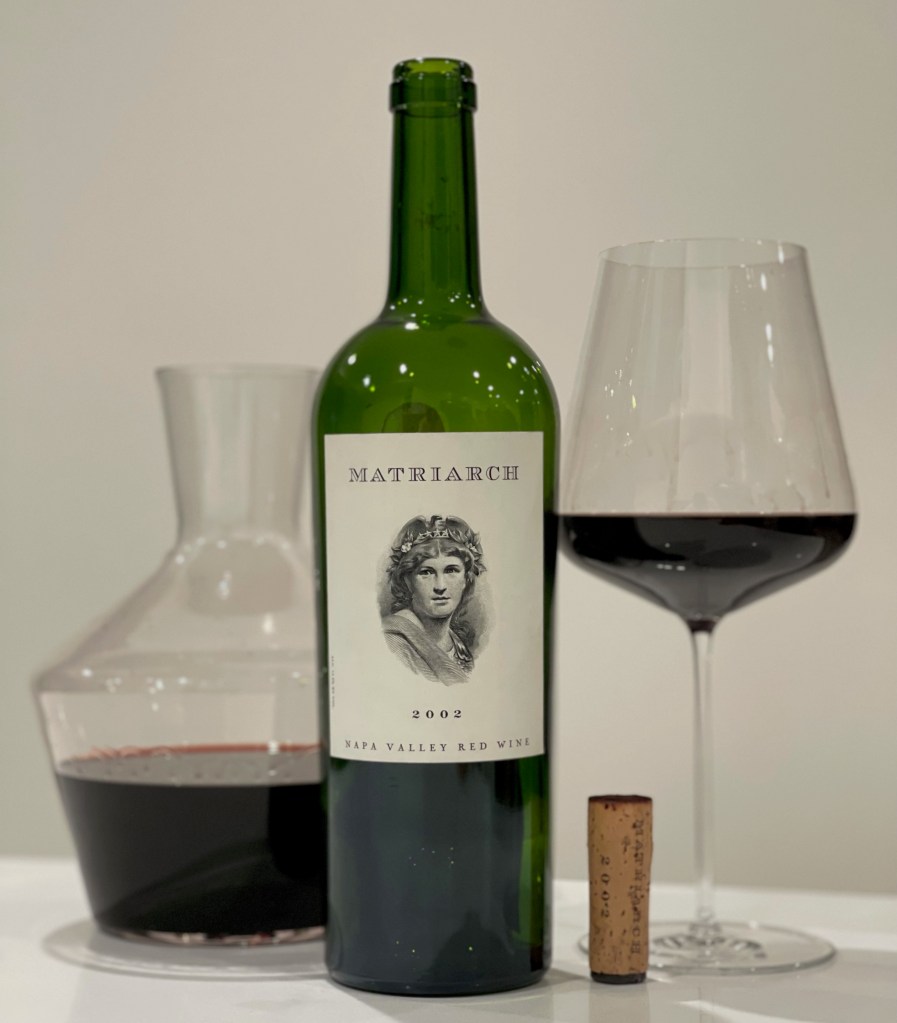
Mature and Elegant Napa Cab With “Cult” Beginnings

Today’s Story: BOND

BOND was established in 1996 by H. William Harlan and Bob Levy with the goal of creating single vineyard designate wines from a small number of carefully selected Napa Valley vineyards of “Grand Cru” quality. Though BOND does not own their vineyard sites, they currently have partnerships with five vineyard owners and all vineyard management is done by the BOND team themselves rather than the owners. Today BOND produces the Grand Crus of Melbury (est. 1999), Vecina (est. 1999), St. Eden (est. 2001), Pluribus (est. 2003), and Quella (est. 2006). They also craft a second wine called Matriarch (which I am reviewing today) and it is a blend of all five sites from the wine not included in the Grand Cru bottlings. The five vineyard sites are small hillside vineyards of Cabernet Sauvignon, ranging from 7 to 11 acres in size. Total annual production for each Cru ranges from about 400-700 cases, whereas production of the Matriarch is less than 1,500 cases.

Today’s Wine: 2002 Matriarch

100% Cabernet Sauvignon; 14.5% ABV

The 2002 Matriarch is deep garnet in color but it is still incredibly dark and opaque for its age. I decanted this for sediment, but it really only took about 30 minutes to show beautifully. The aromas are of pronounced intensity, with the incredibly complex nose showcasing notes of crème de cassis, stewed plum, prune, fig, licorice, cigar box, leather, damp earth, graphite, mushroom, dried green herbs, and chocolate. Flavors are also of pronounced intensity, and the equally complex palate displays notes of blackberry, blackcurrant, black cherry, fig, rich baked plum, tobacco, licorice, charred herbs, wet soil, cocoa powder, and coffee grounds. This dry red is medium- to full-bodied with medium (+) acidity, mature medium tannins, high alcohol, and a long finish. Absolutely gorgeous, and I don’t think it gets any better from here.

Price: $180. This is very appropriately priced, and given the rest of the wines in the Harlan family portfolio it offers great value if you’d like to see what their wines are all about. With the Matriarch much like the Mascot, these are wines that remain a staple for me when I purchase my Napa Cab allocations.

Delicate and Easy-Going Australian Semillon

Today’s Story: Torbreck Vintners

Torbreck Vintners was established in 1994 by David Powell in Marananga of the Barossa Valley in South Australia. Torbreck began by sharecropping fruit from an abandoned dry-grown and old vine vineyard, though overtime they did purchase estate vineyards but continue to source from growers to fill out the portfolio of wines. Torbreck specializes in Shiraz, however they produce wines with other Rhône varieties including Grenache, Mourvèdre, Viognier, Marsanne, and Roussanne. Many of Torbreck’s source vineyards are generations old, with some of the vines producing fruit for their RunRig bottling 120-160 years old. Yields are painfully low, resulting in wines that are very complex and representative of their terroir. Winemaking is characterized by minimal intervention, and the Torbreck team views themselves as custodians rather than heavy-handers in the cellar. The wines age in barrel for as long as they deem fit to allow for the wine’s best expression, and all bottling is accomplished unfined and unfiltered. Each vintage, roughly 70,000 cases are produced.

Today’s Wine: 2019 Woodcutter’s Semillon

100% Semillon; 13% ABV

The 2019 Woodcutter’s Semillon is medium straw in color and fully transparent. The aromas are of medium intensity, with the very delicate nose showcasing notes of white peach, lemon peel, white lily, lemongrass, beeswax, dried tomato leaf, and marine mineral. The flavors are also of medium intensity, while the palate displays notes of white peach, ripe pear, honeydew melon, chamomile, beeswax, and saline. This dry white is medium-bodied with medium (+) acidity, medium alcohol, and a medium length finish. This is one of those great summer wines that is simple, straightforward, and delicious.

Price: $20. I’d say this is somewhere in the fairly-priced to good value range. While it’s not the most “exciting” wine, it is very well-made and does offer a fair amount of complexity and great balance for the price.

Terroir-Driven Oregon Pinot Noir for a Great Price

Today’s Story: Evening Land Vineyards

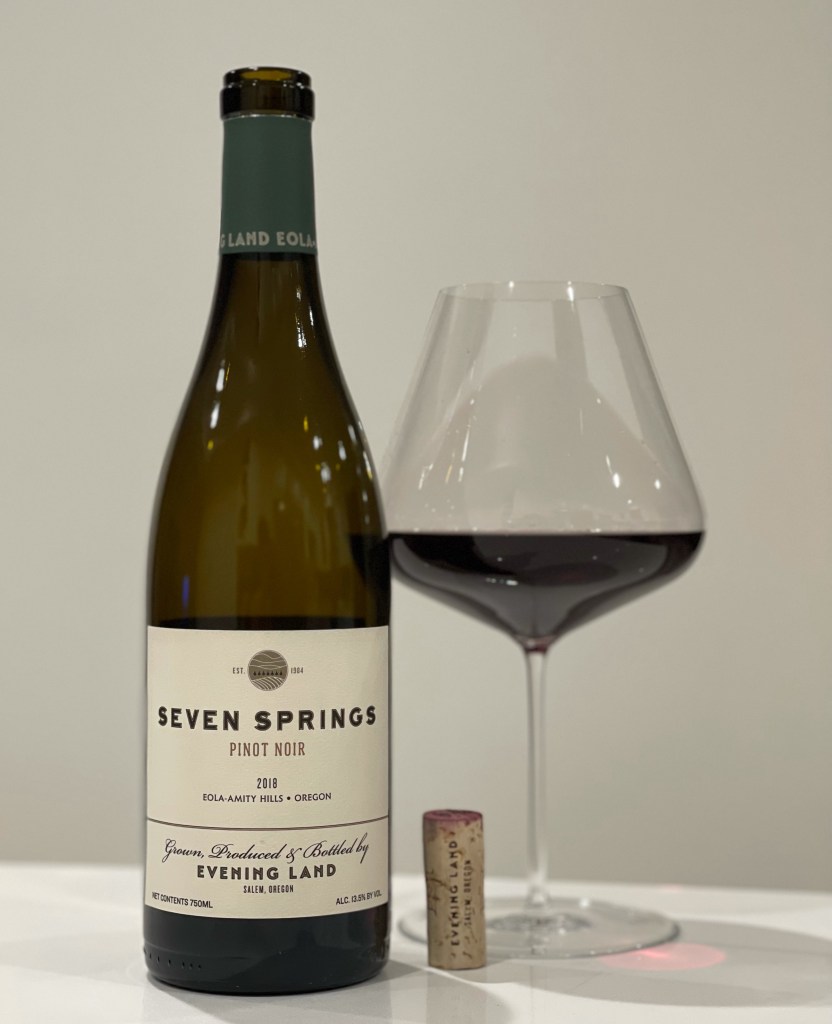
Evening Land Vineyards is a highly-regarded producer of Pinot Noir, Chardonnay, and Gamay located in the Eola-Amity Hills of Oregon. Though the label was “officially” established in 2005, their historic and world-class Seven Springs Vineyard dates back to 1984 when it was planted by Al MacDonald. Though the winery has changed hands a number of times, labels have been updated, and fruit sources have changed, sommelier Rajat Parr and winemaker Sashi Moorman joined in 2014 and remain involved to this day. With their Seven Springs estate vineyard, which has been dry-farmed since inception and shifted to biodynamic viticulture in 2007, Parr and Moorman oversee significant Pinot Noir plantings followed by Chardonnay and then smaller amounts of Gamay. The Pinot clones include Calera, Pommard, Swan, and Mt. Eden, and they have produced some of the greatest wines in Oregon winemaking history with the vineyard in its earlier days a source for many highly-regarded wineries.

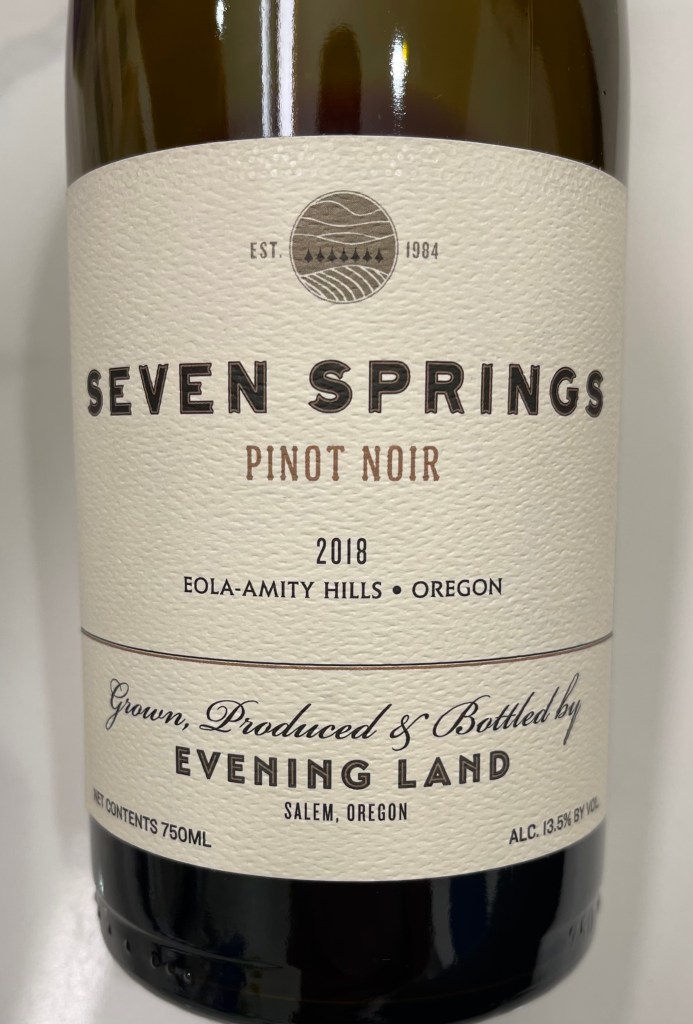
Today’s Wine: 2018 Seven Springs Pinot Noir

100% Pinot Noir; 13.5% ABV

The 2018 Seven Springs Pinot Noir is medium ruby in color and rather opaque. Given how young this is, I poured it into the glass and let it open up for about an hour and a half before drinking. The aromas are of medium intensity, however the nose is rather complex and offers gorgeous aromas of black cherry, black raspberry, blackberry, dried violet, forest floor, mushroom, asphalt, and savory green herbs. Meanwhile the flavors are also of medium intensity and the palate displays notes of black cherry, blackberry, a touch of anise, tobacco, purple florals, charred green herbs, a hint of smoke, and crushed rock. This dry red is medium-bodied with high acidity, medium (-) tannins, medium alcohol, and a long finish.

Price: $35. I think this offers very strong value, particularly given the complexity and terroir-driven nature of the wine at a young age. This is also already beautifully balanced, and certainly benefits from lengthy air time at this stage.

Expressive and Exciting Sta. Rita Hills Syrah

Today’s Story: Black Sheep Finds

Black Sheep Finds (Holus Bolus and The Joy Fantastic) is a family owned and operated winery established by husband and wife Peter Hunken and Amy Christine in 2003 in Lompoc, California. Peter began his winemaking career in 2001 with Stolpman Vineyards, and also co-founded Piedrasassi where he remained until shifting all his attention to Black Sheep Finds in 2008. Amy has an impressive wine resume as well, earning the Master of Wine designation in 2013 and working with Kermit Lynch in Southern California.

Until 2015, Peter and Amy sourced all fruit for their wines from organically farmed vineyards in Santa Barbara County. In 2016, however, they completed the first harvest in their own estate vineyard named The Joy Fantastic which they began developing in 2014. The Joy Fantastic Vineyard is certified organic (CCOF) and consists of 5 acres planted to Syrah, Pinot Noir, and Chardonnay, though Black Sheep Finds does continue to work with select vineyard partners as well. The partners include Bien Nacido Vineyard (where they source Roussanne), Presqu’ile Vineyard (where they source small amounts of Syrah), and John Sebastiano Vineyard (where they source Syrah for Holus Bolus).

I previously wrote about Black Sheep Finds when I reviewed their 2017 Holus Bolus Franc de Pied Syrah.

Today’s Wine: 2017 The Joy Fantastic Syrah

100% Syrah; 13% ABV

The 2017 Joy Fantastic Syrah is medium purple in color and opaque. I decanted this for 1.5 hours and drank it over the following hour or so. The aromas are of medium (+) intensity, with the nose showcasing aromas of blueberry, blackberry, plum, violet, smoked meat, pine, black peppercorn, and crushed rock. Meanwhile the flavors are of medium intensity, and the palate displays notes of blueberry, red plum, sweet tobacco, charred green herbs, smoke, cracked black pepper, and bitter dark chocolate. This dry red is medium-bodied with medium acidity, medium but tightly-knit tannins, medium alcohol, and a medium (+) length finish.

Price: $45. I think this is pretty fairly priced, though there are better “values” out there in my opinion. What’s really impressive here though is how complex and expressive the wine is, particularly given the very young age of the Joy Fantastic estate vineyard. I’ll certainly be revisiting this wine over the years to come.