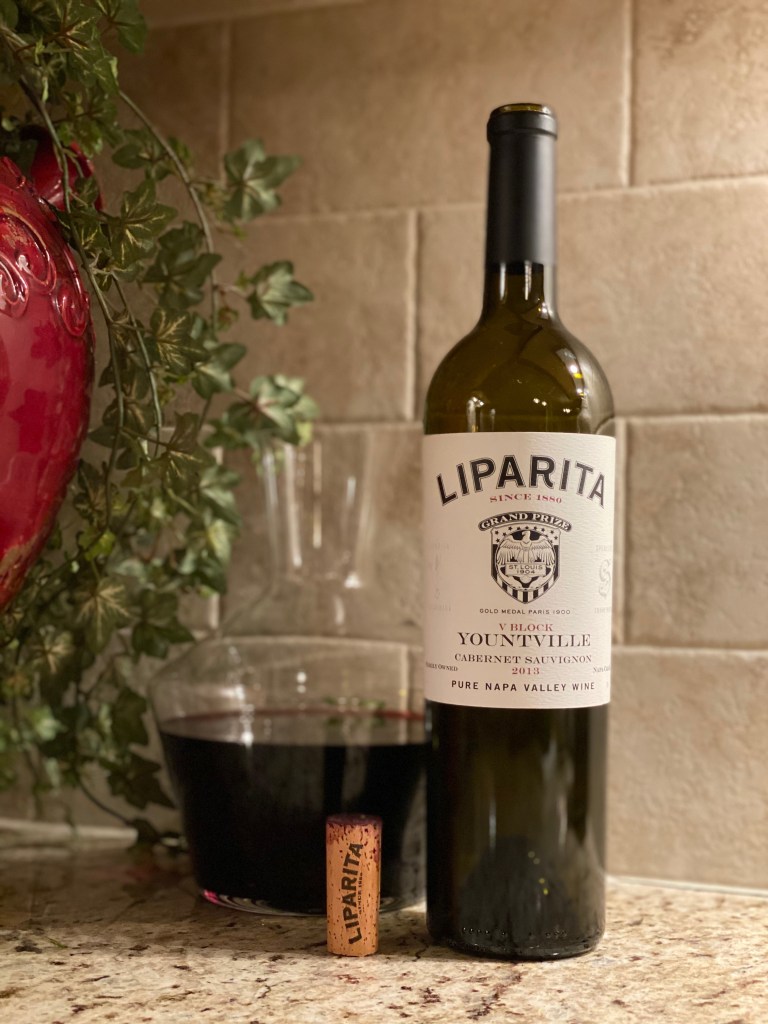
Yountville People Pleaser

Today’s Story: Liparita

Liparita was founded in 1880 by William Keyes, a geologist by trade who discovered remarkable soil for winegrowing on Howell Mountain. When Keyes established his winery, he named it Liparita in homage to Lipari Island off the coast of Sicily because the soils he planted his vines in reminded him of the soils on the island. Liparita became one of the first wineries to bottle their wines with a vineyard designation, their first being the Liparita Howell Mountain Claret. This same wine later became the first from California to win a gold medal at the Paris Exposition in 1900. Unfortunately, like many Californian wineries established around this time, Prohibition and phylloxera greatly damaged Liparita and sent it back to obscurity.

With the rebirth of winemaking in Napa Valley during the middle and late 1900s, the Liparita brand reappeared and subsided yet again over time. In 2006, however, Spencer Hoopes purchased the brand and sought to not only bring it back to life but return Liparita to its glory days. Today, Spencer and his daughter Lindsay lead the winery in efforts to produce quality Cabernet Sauvignon from some of the Napa Valley’s best appellations and parcels. To read more about them individually, check out the website here.

Today’s Wine: 2013 V Block Cabernet Sauvignon

90% Cabernet Sauvignon, 10% Merlot; 15.4% ABV

The 2013 V Block is opaque deep ruby in color with purple at its core. Once this opens up in the decanter, the nose showcases aromas of black cherry, jammy blackberry, redcurrant, boysenberry, cedar, graphite, cocoa, granite, and oak. There is also unfortunately some heat from the rather high ABV. Once in the mouth, this wine offers notes of candied plum, blueberry pie, blackberry compote, black licorice, sweet tobacco, mocha, crushed rock, and vanilla. This Cab is full-bodied with high acidity, grippy medium (+) tannins, and a long finish dominated by inky black fruit.

Price: $65. This is certainly a high-end people-pleaser, so not necessarily fitting for my taste profile. However, for those of you who like Caymus, with how outrageously priced that wine is now I’d say skip it to try this Liparita next time as it is similar in profile but significantly better. Pair this with steak, prime rib, or lamb.

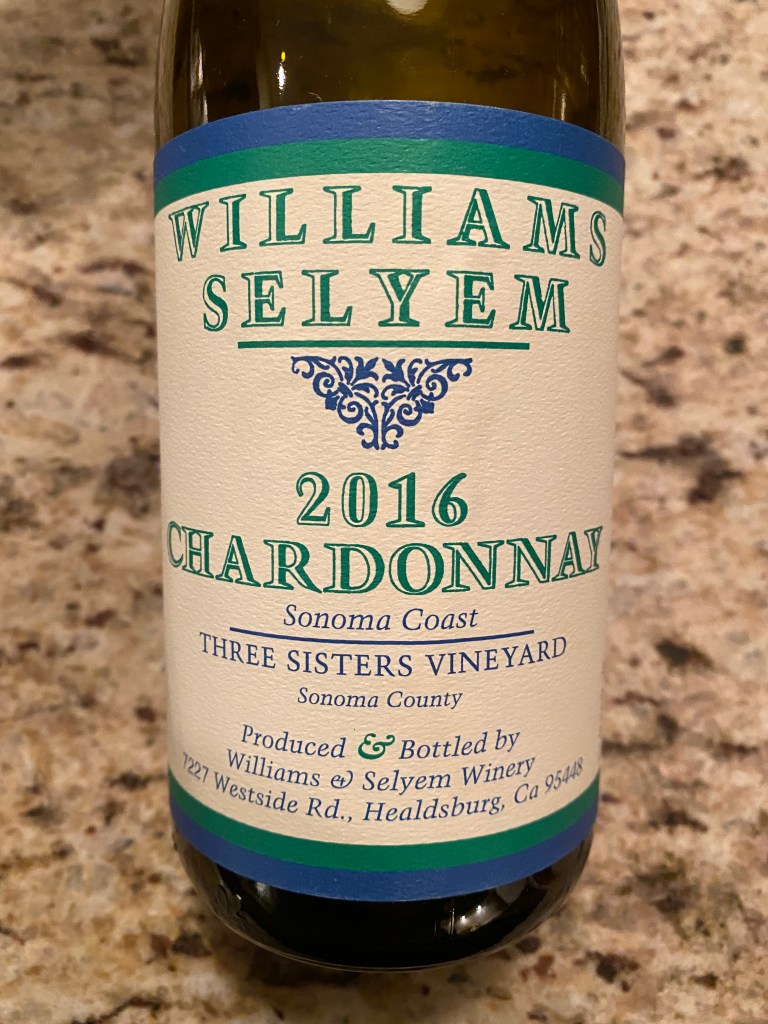
Buttery Surprise

Today’s Story: Williams Selyem

Williams Selyem is another winery with a homegrown, almost comical, origin story. During the 1970s, Burt Williams received several tons of free grapes from a grower with an abundance of fruit that would otherwise most likely go to waste. With his friend Ed Selyem, in 1979 the pair started making wine at Burt’s house over the weekends with Zinfandel grapes from the Martinelli family. Though the two set out to make wine only for themselves as a hobby, Burt and Ed fully devoted to the endeavor in 1981 and named their winery Hacienda del Rio.

They bottled their first vintage in 1982 and released it commercially in 1983, however Hacienda Winery quickly sent a cease and desist letter that resulted in removal of “Hacienda” from Burt and Ed’s labels. In 1984, Burt and Ed moved production to a nearby garage in Fulton and released the first vintage with the now famous and globally-recognized Williams Selyem label.

If this sounds familiar, you’ve probably heard of this cult winery before or read my prior post Cult Cali Pinot back in October, 2019 when I reviewed the 2014 Ferrington Vineyard Pinot Noir. If you haven’t read my prior post or Williams Selyem is new to you, check it out for the remainder of their story including the explosion into cult status.

Today’s Wine: 2016 Three Sisters Vineyard Chardonnay

100% Chardonnay; 13.9% ABV

The 2016 Three Sisters Chardonnay is pale to medium gold/straw yellow in color and completely transparent. The nose showcases aromas of yellow apple, pear, melon, white wildflowers, hazelnut, spice, vanilla cream, and buttered toast (which is a little strong in my opinion). Once in the mouth, this wine displays notes of green apple, white peach, lemon peel, beeswax, snap peas, white pepper, white lily, vanilla, and butter (again, a little strong). This Chardonnay is full-bodied with high acidity and a lush, medium length rounded finish.

Price: $65 direct from winery upon release. Perhaps this needs more time to come together, but for now I’d suggest taking a look at their Chenin Blanc or Unoaked Chardonnay due to the surprisingly high butter notes in today’s bottling. Pair this with lobster, crab, or roasted chicken.

Magnificent QPR for an Outstanding Albariño

Today’s Story: Coto de Gomariz

Coto de Gomariz is located in Ribeiro, a Spanish DO (Denominación de Origen) in the Avia River Valley in Galicia. Though Coto de Gomariz is proud to say they grow their vines in the oldest documented wine preserve in the Iberian Peninsula (it dates back to the 10th century), it wasn’t until the 1970s that Ricardo Carreiro started restructuring the family vineyards by planting only indigenous varieties. During the 1980s, Coto de Gomariz started bottling and marketing their first wines and by the late 1980s they became some of the most renowned from Galicia. Beginning in 2004, Coto de Gomariz started practicing organic and biodynamic farming under Ricardo’s son (also Ricardo) and their wines are made in a non-interventionist style. Fermentation is accomplished naturally with native yeasts and the wines are bottled without filtration.

Today’s Wine: 2017 Albariño Viño de Encostas de Xistos

95% Albariño, 5% Treixadura; 13.5% ABV

The 2017 Viño de Encostas de Xistos is a crystal clear deep straw color with gold variation near the sides of the glass and water white near the rim. The nose showcases aromas of lemon zest, golden apple, peach, honeydew, white florals, white pepper, and saline minerality. Once in the mouth, this refreshing Albariño displays notes of grapefruit, lemon citrus, apricot, stone fruit, honey, elderflower, exotic white spice, slate, and stoney minerality. This wine is medium-bodied with vibrant medium (+) acidity and a lingering finish that makes you want to take another sip. 500 cases produced.

Price: $25. This offers an outstanding QPR and would make for a fantastic summer wine (yes I know it’s winter). Pair this with white fish, sole, leafy greens, or fish tacos.

One of the Most Important Names in Burgundy

Today’s Story: Domaine Faiveley

Domaine Faiveley was founded in 1825 as Maison Joseph Faiveley by Pierre Faiveley, a cobbler by trade who was also passionate about wine. Pierre worked his cobbler and wine merchant businesses side-by-side until the end of the 1840s when he decided to put all of his energy into the wine trade. In 1860, Joseph Faiveley began his wine merchant business with vine parcels he inherited from his uncle and his entrepreneurial spirit led him to export wines to Northern Europe to expand his brand. A plasterer, painter, and glazier by trade, Joseph exported his wines most notably to Belgium and the Netherlands and often exchanged his wines for textiles. In 1873, Joseph expanded his holdings by acquiring Nuits-Saint-Georges 1er Cru Les Porêts-Saint-Georges, Les Lavières, and the monopole of Corton Clos des Cortons Grand Cru.

François Faiveley, a doctor by trade, moved to Nuits-Saint-Georges in 1889 and spent the remainder of his life fighting to save the domaine’s vines from phylloxera, the worst crisis in Burgundy’s history at the end of the 19th century. In 1893 the domaine acquired vines in the Nuits-Saint-Georges 1er Cru Les Saint-Georges climat and in 1911 the famed Clos-de-Vougeot Grand Cru parcel.

In 1919, Georges Faiveley took over the domaine and shortly thereafter faced the economic crisis of the early 1930s that nearly destroyed his holdings. During the crisis, the domaine’s cellars were filled with inventory (even Grand Cru wines whose barrels were worth more than the wines inside them) and Georges decided to start the Confrérie des Chevaliers du Tastevin, a rebirth of an ancient wine brotherhood from the Middle Ages. With nobody buying the wines, Georges invited this brotherhood to the domaine and they drank wines together and helped provide rebirth to the popularity of Burgundy wines.

As the economic crisis subsided and Burgundian wines grew in popularity, the domaine acquired more vineyards and remained a family endeavor. In 1947, Guy Faiveley followed in his father’s footsteps and joined the domaine. He also became the Grand Master of the Confrérie des Chevaliers du Tastevin in 1969 and worked tirelessly to share his wines with the brotherhood and the world. In 1976, François Faiveley joined his family domaine at the age of 25 and continued acquiring vineyards. François produced wines known for their rich and concentrated character as well as long aging ability.

Today, Domaine Faiveley is under the guiding hands of its seventh generation in Erwan and Eve Faiveley. Erwan was always passionate for Burgundy wines and his family’s estate, so he took over from his father in 2005 and quickly set about investing in new facilities to modernize the winery and improve on the already exceptional quality in the wines. In 2014, his sister Eve joined the domaine after working in the cosmetics industry. She is the first daughter in seven generations of the family.

For more including their portfolio of wines, farming and winemaking methods, as well as pictures of the domaine, check out there website here. There are a lot of cool rabbit holes to go down!

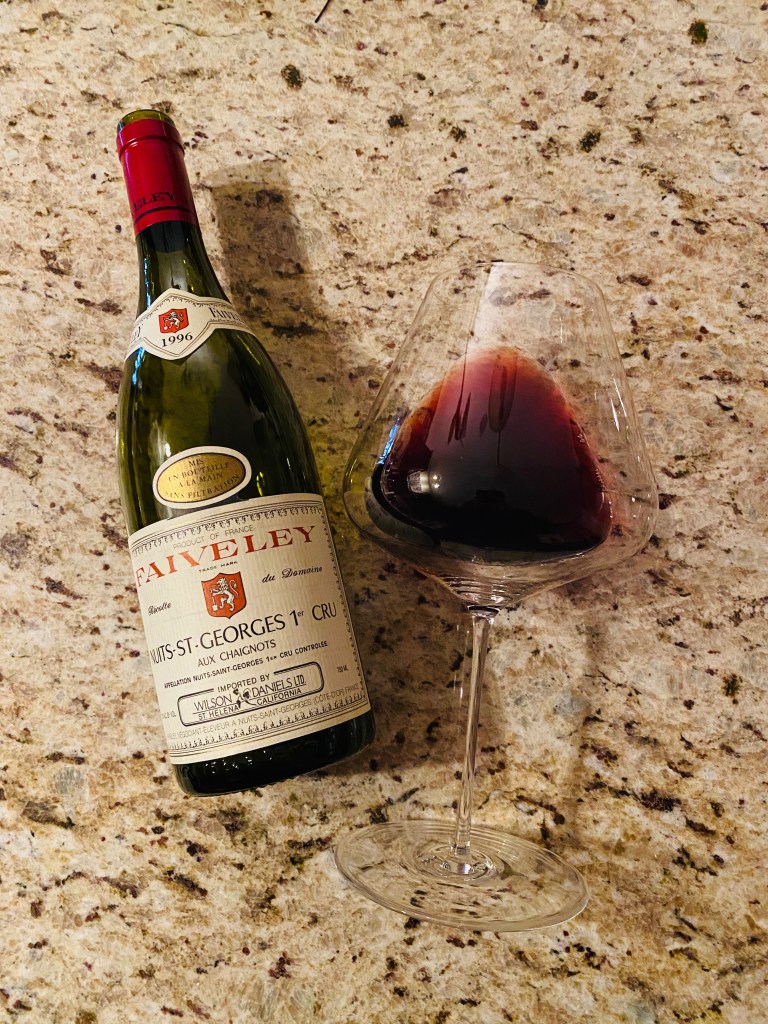
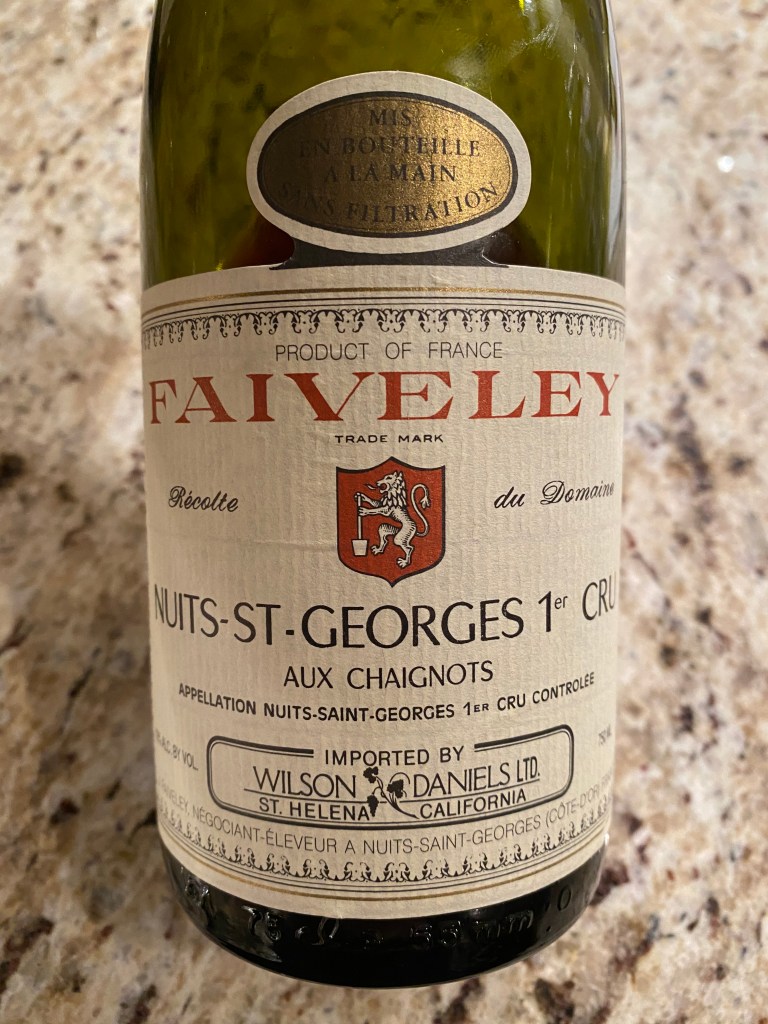
Today’s Wine: 1996 Nuits-Saint-Georges 1er Cru Aux Chaignots

100% Pinot Noir; 13% ABV

The 1996 Aux Chaignots is medium garnet in color and moderately transparent. I simply let this breathe for a bit in the glass and there was some funk that needed to blow off, though I decided not to decant the wine in case it became oxidized too quickly. On the nose, I get aromas of dried raspberry and strawberry, cherry, rose, tobacco, forest floor, truffle, wet gravel, thyme, underbrush, and a touch of oak. Once in the mouth, this wine showcases notes of cherry, cranberry, black raspberry, sous bois, dried green herbs, earthy mushroom, slate, and peppery spice. This nicely aged Burgundy is medium-bodied with medium (+) acidity, medium (-) dusty tannins, and a long finish.

Price: $130. Not a bad price for aged red Burgundy from one of the best producers in Nuits-Saint-Georges. This wine has the structure to go a little further, though I would drink up now. Pair this with roasted chicken, roasted pork, feathered game, or mild cheeses.

Beautiful Defiance

Today’s Story: Domaine de Trévallon

Domaine de Trévallon as it exists today was established in 1950 when Jacqueline and René Dürrbach fell in love with Alpilles and purchased Mas Chabert and its adjacent property, Trévallon. Jacqueline was a French textile artist whose commissioned tapestry of Picasso’s Guernica by Nelson Rockefeller helped pay for the domaine, and René was a sculptor and painter who was close friends with cubist movement founders Albert Gleizes, Fernand Léger, and Pablo Picasso. Eloi, the son of Jacqueline and René, planted vines on the estate in 1973 where 15 hectares are planted equally to Cabernet Sauvignon (existed there before the arrival of phylloxera) and Syrah as well as 2 hectares planted mainly to Marsanne and Roussanne. Due to great amounts of limestone in the soil and vast scrubland, great effort went into planting the vines by blowing up the soil, ploughing deep, and mixing rock fragments back in amongst the vines. In 1993, the AOC legislation authorized a maximum of 20% Cabernet Sauvignon in the vineyards and threatened to strip Trévallon’s appellation status if they did not reduce their blend from 50%. A staunch proponent of his wine’s unique personality, Eloi did not betray tradition and refused to alter his blend but rather saw the domaine knocked to the lesser Vin de Pays du Bouche du Rhône status. A family effort throughout its history, Domaine de Trévallon is joined today by Eloi’s children Ostiane and Antoine.

Domaine de Trévallon practices organic farming, methods they have used since the founding of the estate. They plow deeply in the soil to encourage vines to dig deeper in seeking out nutrients, shortly prune their vines to reduce yields but enhance the longevity of their vines, and do not use chemical fertilizers or artificial products. In the cellar, the winemaking team practices minimal intervention and use only indigenous yeasts during fermentation. The red wines are made using 100% whole cluster fermentation and are aged for two years in a combination of foudres (95%) and barrels (5%), while the whites see one year of barrel aging. The wines are racked as little as possible and the result is powerful wines that age effortlessly for decades.

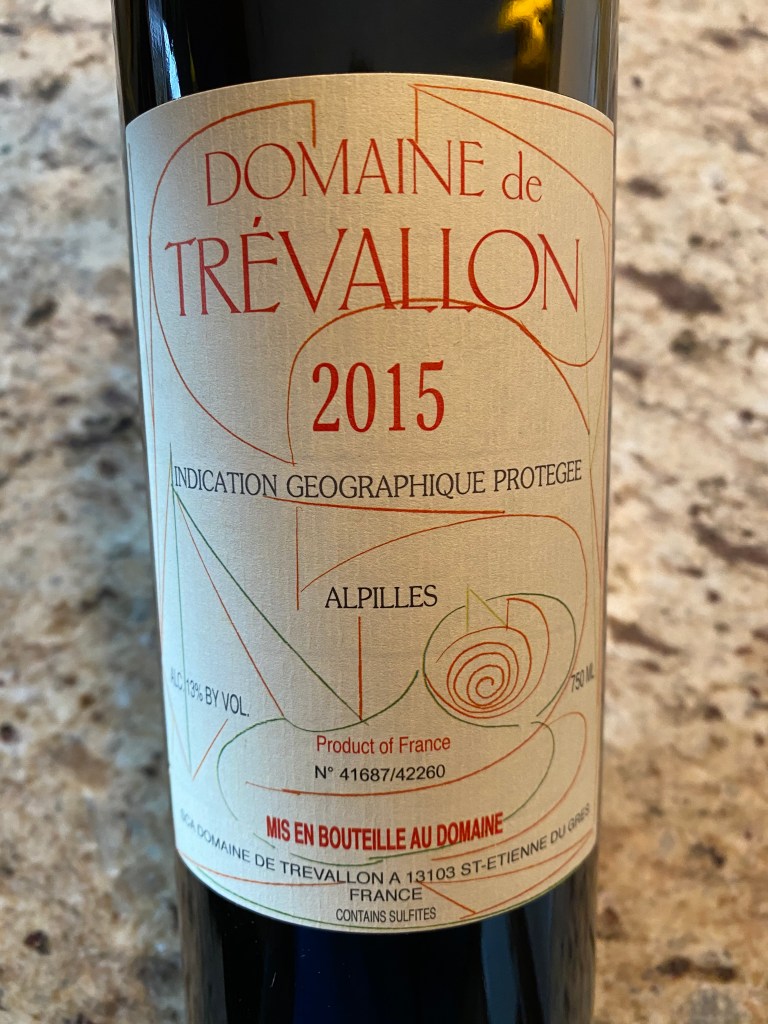
With the backbone of art such an important aspect of Dürrbach family history, it is only fitting the wine labels display it. Though René passed away in 1999 at the age of 89, Eloi previously asked him to create 50 labels beginning with the 1996 vintage using colored pencils. The family selects a new label every vintage based on the characteristics of that unique vintage.

Today’s Wine: 2015 Domaine de Trévallon Rouge

50% Cabernet Sauvignon, 50% Syrah; 13% ABV

The 2015 Trévallon Rouge is deep ruby in color with purple hues and mostly opaque. Due to its youth, I let this wine breathe for about 45 minutes before consuming and drank it over the following couple hours. The nose showcases aromas of wild strawberry, raspberry, plum, licorice, smoke, tobacco, leather, violet, wet rock minerality, and a hint of sandalwood. Once in the mouth, this wine displays notes of black cherry, blackcurrant, candied red fruits, dried forest floor, white pepper, black tea leaves, chalk, eucalyptus, and some peppery spice. This is full-bodied with high acidity, medium tannins, and a long finish. Though starting to show its elegance and finesse, I would wait another 3-5 years before popping one of these and drink it over the following decade.

Price: $65. Trévallon is always an incredible value for high-quality Southern France wines and the dedication to the craft is palpable with each vintage. I highly recommend everyone try one of these wines at least once. Pair this with roasted lamb, beef, cheese and charcuterie, or a chocolate tart garnished with strawberries and raspberries.

Outstanding Pommard from a Superb Vintage

Today’s Story: Domaine de Courcel

I previously wrote about Domaine de Courcel in Rustic, Terroir-Driven Burgundy when I reviewed their 2009 Pommard 1er Cru Les Fremiers, though I will reproduce a brief history here and you can read my prior post for some additional notes on their winemaking processes.

Domaine de Courcel was founded roughly 400 years ago in the village of Pommard and is a family winery throughout its history. To this end, today the estate is managed by Anne Bommelaer and Marie de Courcel and its owners include three sisters and one brother who are descendants of the domaine’s founders. Production is somewhat limited at the domaine, with annual production numbers never rising above 30,000 bottles (2,500 cases).

The domaine owns vineyards on 10.5 hectares in Pommard, which is four kilometers from Beaune in the Côte de Beaune. From this land, the domaine produces seven different wines including four 1er Crus that account for roughly 75% of the vineyards. These 1er Crus include Le Grand Clos des Epenots (a monopole of the domaine), Les Rugiens, Les Frémiers, and Les Croix Noires. Domaine de Courcel also produces a Pommard village wine Les Vaumuriens in additional to a Bourgogne Rouge and Bourgogne Blanc. Le Grand Clos des Epenots (about 50% of the domaine’s production) and Les Rugiens come from arguably some of the best vineyards in Pommard.

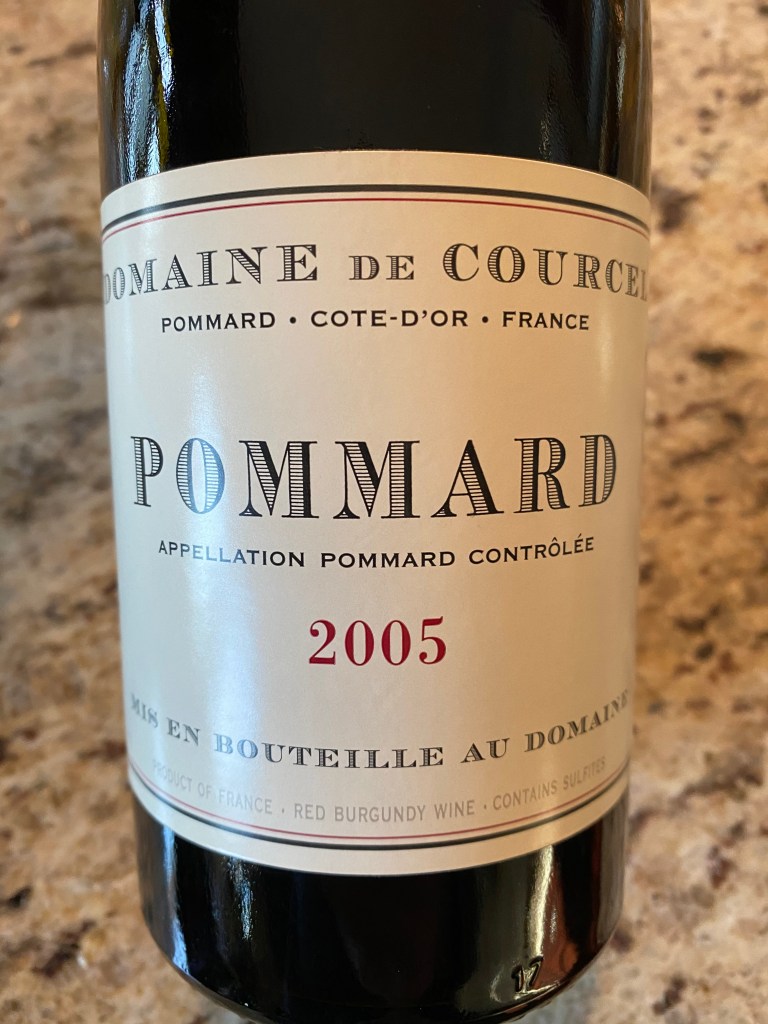
Today’s Wine: 2005 Pommard

100% Pinot Noir; 13% ABV

The 2005 Pommard is pale to medium ruby in color and slightly transparent. The wine was beautiful right out of the bottle, but as this opens up in the glass it truly blossoms to showcase a nose with aromas of black cherry, dried raspberry, red florals, red licorice, forest floor after a rainstorm, truffle, underbrush, cinnamon, slight musty cellar, pinch of pepper, and a faint hint of oak. Once in the mouth, this beauty shows notes of cranberry, dusty strawberry, sweet ripe cherry, dry rocky soil, tobacco leaf, ground green herbs, mushroom, crushed rock, and a touch of spice. This is medium- to full-bodied with medium (+) acidity, medium dusty tannins, and a long finish with notes of iron and smoke.

Price: $150. Though pricing on this is up there with good quality 1er Cru Burgundy, this is an outstanding vintage and bottling from Domaine de Courcel that stands up at this price point. Pair this with game, venison, or beef.

One of Spain’s Most Exciting Wines

Today’s Story: Envínate

I previously wrote about Envínate in Vitality from Spain when I reviewed the 2018 Albahra, so today’s post will be short and sweet for your Saturday afternoon reading. If you haven’t read my prior post linked above, I recommend you do to discover the background of this incredible winery who is producing arguably some of the most important wine coming from Spain. Envínate produces terroir-driven wines from coastal, island, and mainland appellations all in traditional styles to showcase place and the vibrant minerality present in these lands. Known as a sommelier’s darling for these reasons and more, Envínate creates small production wines that are shockingly rather easy on your wallet.

Today’s Wine: 2017 Migan

100% Listán Negro; 12% ABV

The 2017 Migan is very transparent pale ruby (almost red cherry) in color with rose petal variation near the rim. Once this opens up, the nose showcases aromas of cherry, pomegranate, raspberry, pronounced barnyard, leather, forest floor, volcanic ash, crushed rock, pepper, and saline minerality. On the palate, I get notes of juicy black raspberry, strawberry rhubarb, tart wild blueberry, damp rocky earth, barnyard, ash, underbrush, ground herbs, black pepper, and mineral. This wine is medium-bodied with high acidity, medium (-) tannins, and a long finish.

Price: $50. Like all of the wines I’ve tried from Envínate, this is a fantastic value. They are producing some of the most profound, terroir-driven, high-quality wines coming from Spain and this bottling comes from the unique Canary Islands. Pair this with antipasti or simply charcuterie and cheese.

Utterly Complex Santa Ynez Valley Cabernet Franc

Today’s Story: Jonata

I previously wrote about Jonata twice, first in Why Wait for Screaming Eagle? when I reviewed the 2005 El Corazón de Jonata and then in Santa Ynez Sangiovese when I reviewed the 2010 Tierra.

Long story short, if you haven’t read these prior posts, Jonata is owned by Stan Kroenke who also owns the LA Rams and Screaming Eagle. Kroenke bought 586 acres of property, though only 84 acres are planted under vine, and like many wineries in the Santa Ynez Valley Jonata found success planting Rhône varietals such as Syrah but also grows Sangiovese and Bordeaux varietals. For more I’d steer you to my prior posts, particularly “Why Wait for Screaming Eagle?”.

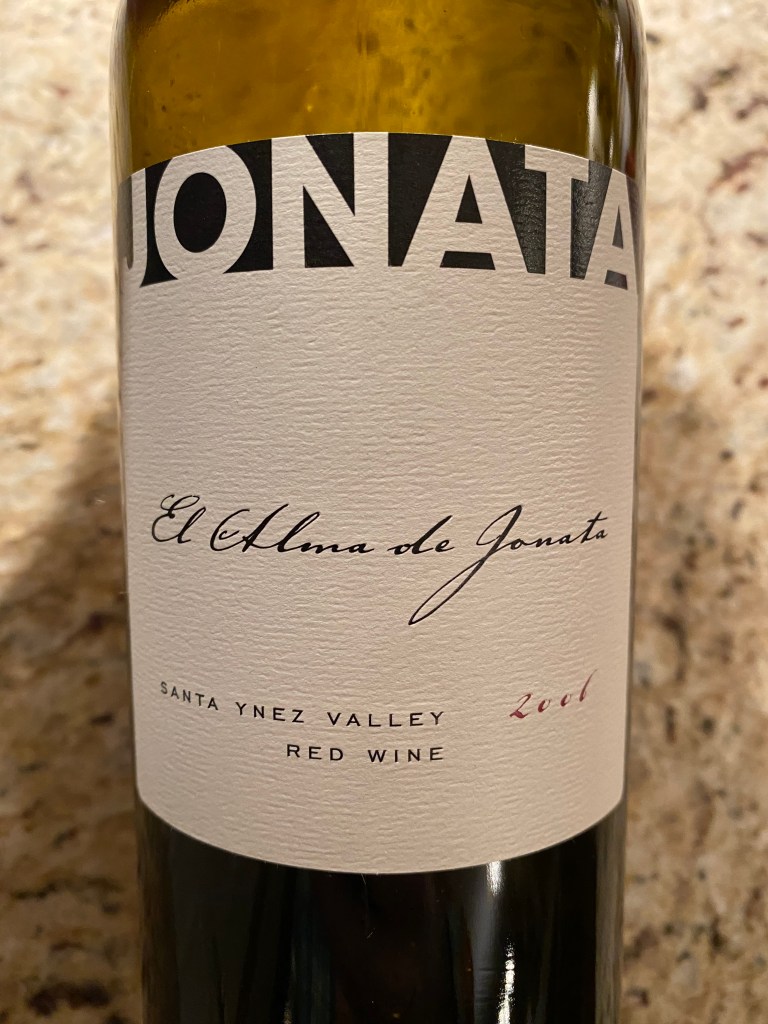
Today’s Wine: 2006 El Alma de Jonata

95% Cabernet Franc, 4% Cabernet Sauvignon, 1% Merlot; 14.9% ABV

The 2006 El Alma de Jonata is opaque deep ruby in color. This needs some time in the decanter to fully blossom, but once it does the nose showcases aromas of blueberry, black raspberry, black cherry, cassis, black licorice, cedar, tobacco, graphite, chocolate, mild herbs, and a hint of vanilla. On the palate, this gorgeous wine offers notes of blackberry, blueberry, plum, violet and rose, cigar box, pencil shavings, wet rock, scorched earth, blood, and exotic spice. This wine is full-bodied with high acidity, medium (+) tannins, and a long finish. Utterly complex and constantly evolving in the glass, this Cabernet Franc is drinking beautifully now but has the structure to go another 7-10 years at least. 426 cases produced.

Price: $155 library release direct from winery. Jonata is producing arguably the best wines from the Santa Ynez Valley and for their complexity and rarity the price demonstrates that. Pair this with grilled steak, peppered chicken, or lamb.

Delicious Mourvèdre from Bandol

Today’s Story: Domaine de la Tour du Bon

Domaine de la Tour du Bon traces its history back to 1925 when a couple purchased a working farm that consisted of vast countryside and olive trees. During the 1930s, the property hosted pigs, sheep, bees, fig and olive trees, and vines that would ultimately take over more and more land from the olive trees. Though wine production began, it wasn’t until 1955 that the name Domaine de la Tour du Bon was registered and the first bottle label was established. As the domaine expanded wine production, they built a large farmhouse between 1960 and 1962 that houses a cellar and helped increase capacity for vineyards. In 1968, the Hocquard family took ownership of the domaine after working a crush and the birth of three children during the 1970s helped lay the foundation of the estate becoming a family operation. In 1990, Agnès Henry (Mr. and Mrs. Hocquard’s daughter) made the domaine her home and workplace and functioned as winemaker where she remains to this day.

Domaine de la Tour du Bon is located at an elevation of 150m above sea level in Le Brûlat du Castellet which lies in the northwestern corner of Bandol. The land here requires great determination to farm and planting the vineyards was no easy feat thanks to the soil mix of limestone, clay, gravel, and red subsoil (some of the rock pulled to plant the vines even went into building the farmhouse). Agnès practices organic farming methods (she began exploring biodynamic methods a few years ago) on her 14 hectares of land and all fruit is hand-harvested to produce six different bottlings. Agnès produces Bandol Blanc, Bandol Rouge, Bandol Rouge Saint Ferréol, and Bandol Rosé from 11 hectares of vines averaging 38 years old, as well as a Vin de France “D’Ici” from 0.5 hectares of vines planted in 1970 (Grenache) and the En Sol from 0.2 hectares of vines 45 years old (Mourvèdre).

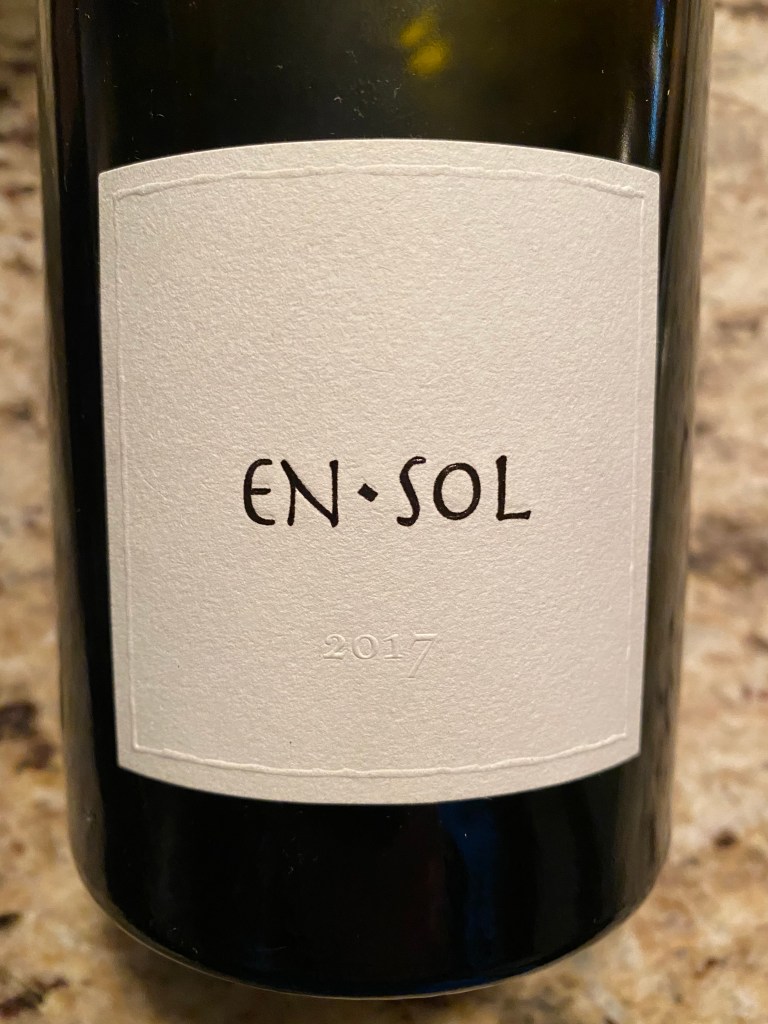
Today’s Wine: 2017 En Sol

100% Mourvèdre; 14.5% ABV

The 2017 En Sol is an opaque deep purple color with some deep ruby variation near the rim. I let this decant for about an hour and the nose showcases aromas of blueberry, plum, cherry, smoked meat, tobacco, eucalyptus, nail polish remover, mint, and a hint of chocolate. Once in the mouth, this wine shows notes of juicy plum, blackberry compote, smoke, violet, anise, loamy earth, game, gravel, and green herbs. This is a full-bodied Mourvèdre with medium (+) acidity, medium (+) tannins, and a long finish. I was surprised how elegant and soft this is for a Mourvèdre, especially one this young.

Price: $80. This is an outstanding Mourvèdre that for its elegance and finesse makes me very excited to see where it will go with more bottle age. Pair this with game, beef, lamb, or pork.

Fun Carmenère for a Great Price

Today’s Story: Viña Tarapacá

Viña Tarapacá was founded in the Maipo Valley at the foothills of the Andes Mountains in 1874 by Don Francisco de Rojas y Salamanca, under the name Viñas de Rojas. A renowned winemaker, Don Francisco received his first wine accolade at Viñas de Rojas in 1875 (Silver Medal at the International Exhibition of Santiago) and followed it in 1876 with the Silver Medal at the Exhibition of Philadelphia. In 1892, the winery was acquired by Don Antonio Zavala and was renamed to Viña Zavala. By divorce, Don Antonio Zavala’s ex-wife Doña Mercedes Ulloa took control of the winery as part of alimony and renamed it to Viña Tarapacá Ex Zavala to express gratitude to her lawyer who was nicknamed “The Lion of Tarapacá.” 1992 marked another transition for the winery when it was acquired by La Compañía Chilena de Fósforos, a conglomerate hoping to market the wines to broader global markets. Today, Viña Tarapacá continues to produce quality Chilean wines under this umbrella.

The Viña Tarapacá estate consists of 2,600 hectares of land, though only 611 hectares are planted to vine. The land is surrounded by mountains and the Maipo River so, interestingly, the El Rosario Estate is nicknamed “Maipo Valley’s Natural Clos” after the French viticultural term “clos” used to describe terroir surrounded by stone walls to preserve the vineyards. In caring for the land, Viña Tarapacá practices sustainable farming methods to conserve the biodiversity of their vineyards and produce quality wines. In regards to their environmental efforts, the winery runs their own mini hydroelectric plant with water from the Maipo River to produce 60% of their required energy. Furthermore, the winery fixed solar panels to their roof to augment electricity savings more.

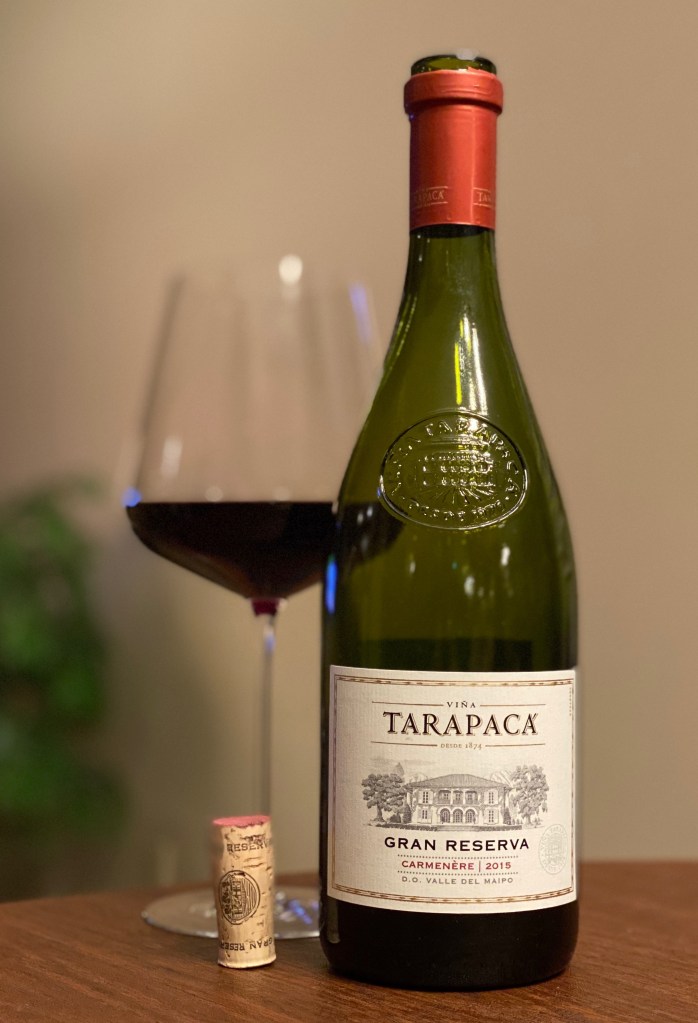
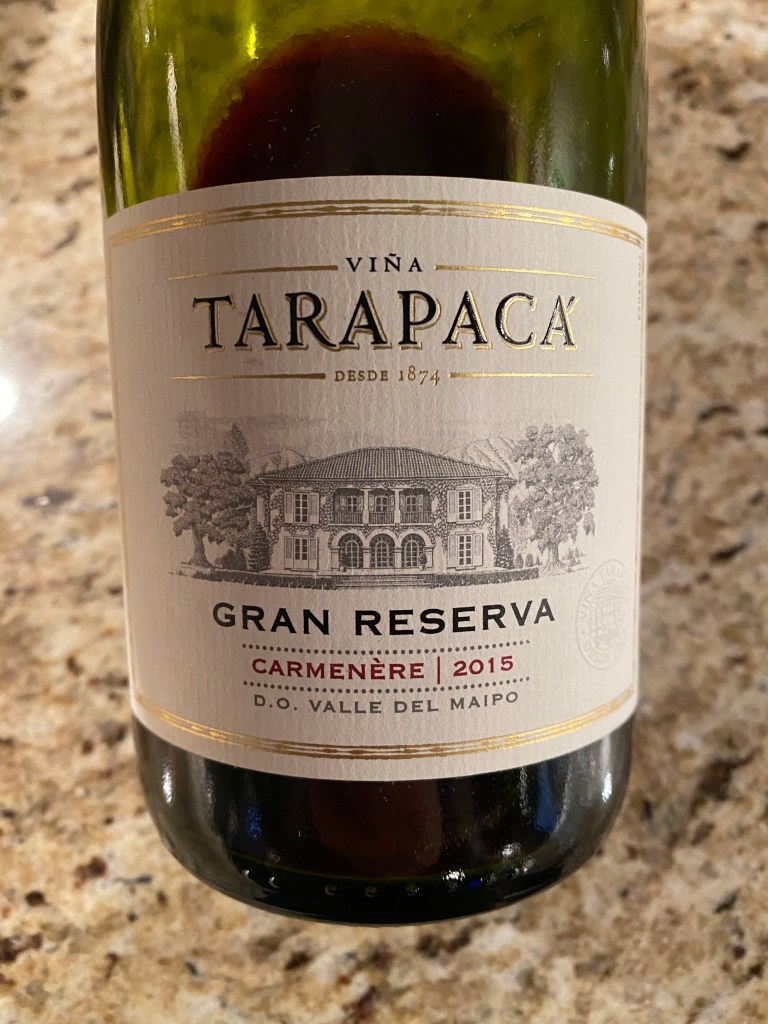
Today’s Wine: 2015 Carmenère Gran Reserva

100% Carmenère; 13.5% ABV

The 2015 Carmenère Gran Reserva is opaque medium to deep ruby red in color with not a lot of variation near the rim. The nose is dominated by aromas of green bell pepper, peppercorn spice, dried herbs, asphalt, and red and blue florals with some blackberry, plum, and oak in the background. The palate basically mirrors the nose, showcasing notes of raspberry, tart cherry, plum, dried underbrush, green peppercorn, bell pepper, olive, coffee bean, and vanilla. The wine is medium-bodied with medium (+) acidity, medium tannins, and a medium length finish.

Price: $20. This is a great value Carmenère that showcases the variety’s unique tasting notes and expressions. However, this is not for the faint of heart in wine drinkers who prefer the fruit bombs and people pleasers without being used to overly spicy and bell-pepper-filled wines. Pair this with a broad range of foods, particularly smoked, grilled, or roasted meats like beef, lamb, pork, chicken, or veal.