Davies Vineyards is one of the most historic wineries in the Napa Valley, known as having the first hillside caves for storing and aging wine in the region. While known for their Cabernet Sauvignon, Davies also produces Pinot Noir as well as Sparkling wine under the Schramsberg label. For more on their history, check out my previous blog post Who Wants Pie?
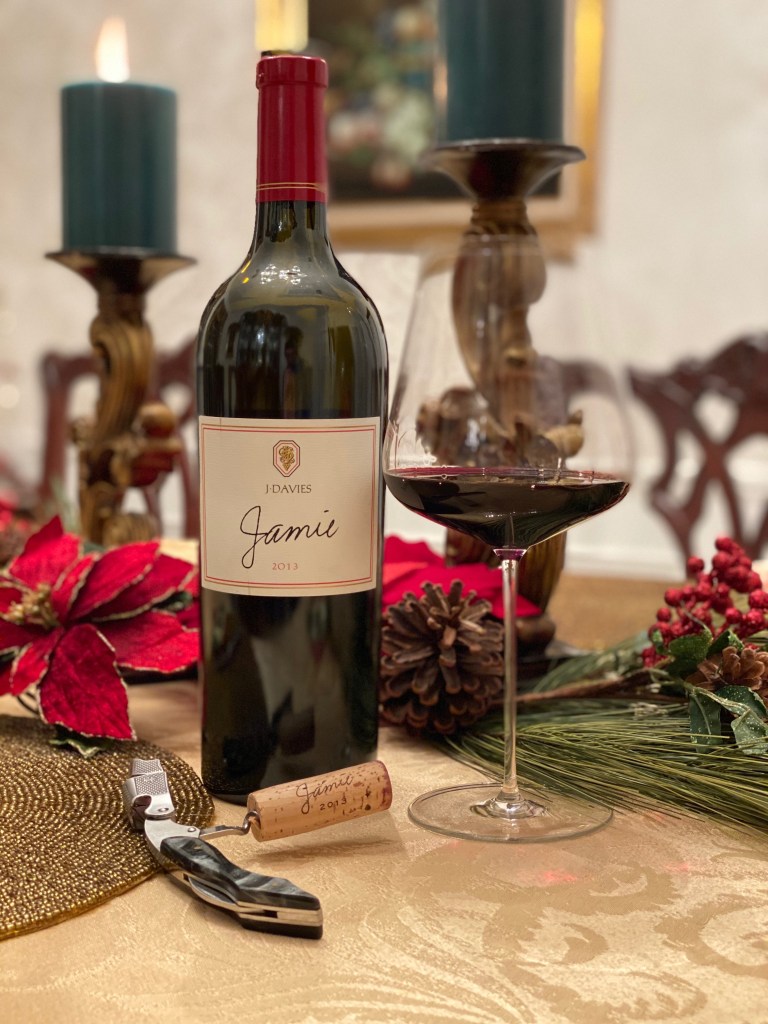
Today’s Wine: 2013 Jamie Cabernet Sauvignon
91% Cabernet Sauvignon, 6% Malbec, 3% Petit Verdot; 14.8% ABV
The Jamie bottling is Davies’ highest-end Cabernet Sauvignon, coming from their historic Diamond Mountain property. This wine is named in honor of Jamie Davies, with the label bearing her signature, who alongside her husband Jack revived Jacob Schram’s land and the Schramsberg label. The fruit for this wine comes from three vineyard blocks totaling 41 acres ranging from 500 to 1,000 feet elevation. Two blocks are from the original Schram holdings (Napa’s first hillside vineyards) and the third is the McEachran parcel planted in 1878.
The 2013 Jamie is deep opaque ruby in color. This bottle certainly needed some time in the decanter, and once the nose opens it showcases aromas of blackberry, plum, black licorice, cigar box, tobacco, perfumed purple florals, and oak. In the mouth, this wine shows notes of blackberry, blackcurrant, black raspberry, anise, graphite, cedar, and damp soil. The wine is full-bodied with medium (+) acidity, medium (+) tannins, and a medium (+) length finish. 275 cases produced.
Price: $200. While this is a delicious wine, I do not think it’s worth its price tag. This is twice as expensive as the other Cabs in the Davies portfolio and almost four times as expensive as their JD label. If you find yourself with a bottle, pair it with prime rib, filet mignon, or a New York strip.
Today’s Story: Daniel Cohn Wine Company (Bellacosa)
Daniel Cohn started Bellacosa following the sale of his family’s famous winery, BR Cohn, in 2015. Having grown up in the Sonoma Valley, Daniel was surrounded by wine since an early age. He walked the vineyards as a young boy and played in the soil, worked in the cellars racking barrels and cleaning tanks as he grew older, and learned the wine business as it grew into one of his greatest passions. Add this all to the fact that Daniel grew up around winemakers such as Helen Turley, Merry Edwards, and Steve MacRostie and it is no surprise he ventured out to create this new endeavor with Bellacosa.
Daniel has so far experienced much success with his new label, being named one of the Top 10 Hottest Wine Brands by Wine Business in 2016. This did not come without a cost, however, as Daniel spends enormous amounts of time traveling to sell his wine. For instance, during 2016 Daniel spent 308 days traveling racking up over 200,000 air miles while visiting 250 cities across the United States. Everywhere he goes, Daniel flies coach class, brings a suitcase with three bottles of wine, feasts on Chick-fil-A and Taco Bell, and books budget hotels last minute to get both best price and constant movement. This work ethic is truly admirable, and one of my favorite stories is how Whole Foods and Trader Joe’s started selling his wine in select locations because he walked into the stores with a bottle of wine and asked over a tasting. For more on Daniel’s tireless efforts, check out this Forbes article.
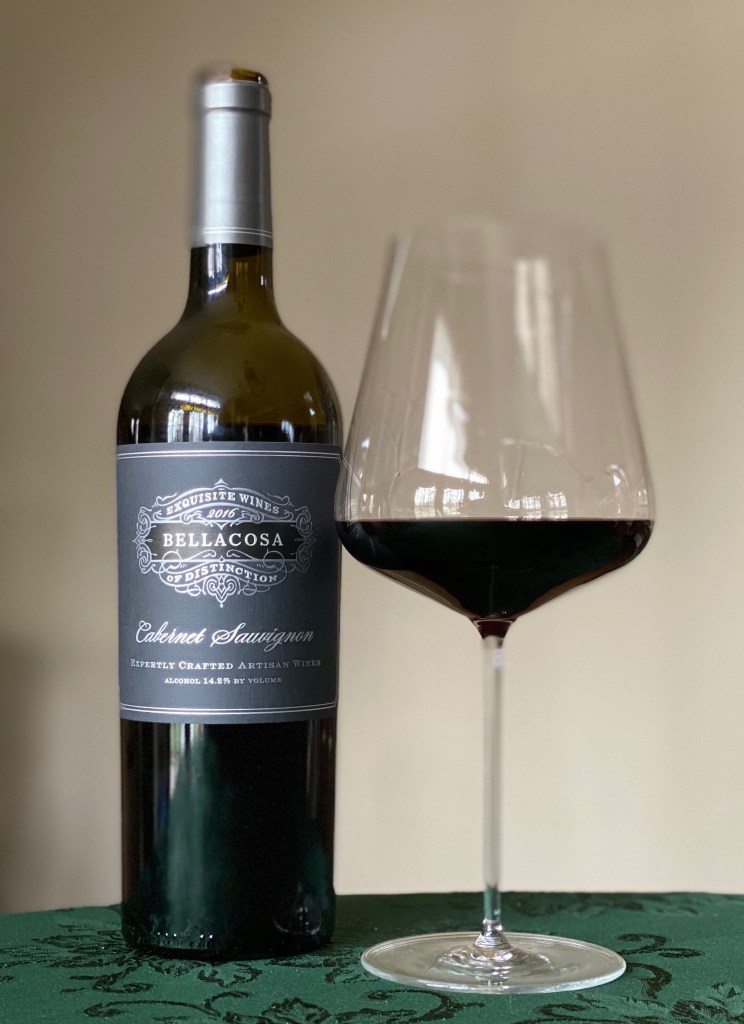
Today’s Wine: 2016 Bellacosa Cabernet Sauvignon
100% Cabernet Sauvignon; 14.2% ABV
The 2016 Bellacosa is deep ruby (almost purple) in color. On the nose I get aromas of blackberry compote, blueberry, plum, strawberry rhubarb, brown sugar and baking spice, vanilla, slight smoked meet, and a hint of alcohol. Once in the mouth, this wine showcases notes of blueberry, raspberry, cranberry, light dusty earth, milk chocolate, and vanilla. One thing I’d like to note is that this wine seems to fall apart by the mid-palate, almost in such a way I had to ask myself, “that’s it?” Nonetheless, this is medium- to full-bodied with medium (+) acidity, medium (-) silky tannins, and a medium length finish with notes of red cherry and blood.
Price: $24. This is certainly a nice value and one of the better Sonoma Cabs I’ve had for price. Further, this is certainly within the “people pleasing” category for Cabernet Sauvignon so it could make a good wine to bring to Christmas dinner in a few weeks. Pair this with a bacon cheeseburger with caramelized onions on top.
CADE, the brainchild of Gavin Newsom (governor of California), Gordon Getty (son of oil tycoon J. Paul Getty), and John Conover, blossomed into reality in 2005 with the trio’s need to expand upon PlumpJack, their winery in Oakville. The winery encompasses 54 acres at an elevation of 1,800 feet on Howell Mountain and took roughly four years to complete, with arguably its crowning achievement being that it is the first LEED Gold certified winery in Napa Valley. Two years of planning went into the winery before construction started in 2007, though many of the changes originated in the vineyards where the team converted to organic farming. Like many wineries nowadays, the organic farming approach came about at CADE as a desire to protect the land while growing fruit free from harsh chemicals in an effort to produce higher-quality, truer wines.
The architecture of the winery demands particular attention, as it is quite modern and is a stark contrast to the surrounding views, vineyards, and forests. Made largely of concrete, recycled steel, and glass (and no wood), the winery displays captivating variation between both gentle lines and aggressive rectangular angles. Sticking to their goal of attaining LEED Gold certification, the team utilized recycled products (including blue jeans) for insulation in the tasting room and situated solar panels on the roof to provide electricity. Both the fermentation room and caves are naturally insulated to help reduce production materials and environmental impact. Definitely check out pictures of the winery here on their website.
Fun fact: The CADE name is a tribute to Shakespeare, who referred to wine casks shipped from Bordeaux to England as “cades.”
Today’s Wine: 2009 Napa Cuvée Cabernet Sauvignon
88% Cabernet Sauvignon, 7% Petit Verdot, 5% Merlot; 15.2% ABV
The 2009 Napa Cuvée is deep purple/ruby in color and almost entirely opaque. I let this decant for about 30 minutes, however the wine seemed to blossom right out of the gates. The nose showcases aromas of blackberry, blueberry, mixed wild red berries, cigar box, graphite, black pepper, chocolate, and oak. This does still show a little heat on the nose as well, but it does blow off. Once in the mouth, the wine displays notes of black plum, blackcurrant, crushed blueberry, tobacco, damp rocky soil, ground green herbs, mocha, and a hint of vanilla. This is full-bodied with medium (+) acidity, medium dusty tannins, and a long finish.
Price: $70. This is a good price-point, as I think the complexity this wine shows helps make it a fairly solid value play (especially next to their Howell Mountain bottling). Pair this with steak or a good burger.
I am apparently loving the easy posts lately, as I previously wrote about Davies Vineyards back on October 9 in Who Wants Pie? Davies is a very historic winery with its roots dating back to 1862, while one of their more prominent fun facts is that Chinese laborers dug what became the first hillside caves in Napa Valley in 1870. I dive a bit more into the history, changes in ownership, and “dumb phase” during Prohibition in my previous post, so check it out!
The 2012 JD is medium to deep ruby in color, though it is moderately transparent. I used the Coravin system to snag a quick glass with lunch and let this breathe in the glass. On the nose, this wine showcases aromas of bright red cherry, redcurrant, blackberry jam, wild blueberry, graphite, cedar, slight baking spice, and a hint of vanilla. Once in the mouth, I get notes of plum, boysenberry, green herbs, asian spice, slate, cinnamon, and oak. This Cab is medium- to full-bodied and feels somewhat airy in the mouth while showing medium acidity, silky and almost fully integrated medium tannins, and a medium length finish. 925 cases produced.
Price: $45. This is a good value wine and an entry-level offering from the historic Davies Vineyards. Its bright fruit and easy drinking should make for a wine any Cab lover would enjoy. Pair this with lamb, steak, or even some bbq ribs or pork.
Red Cap Vineyards’ story begins in 1998 with Tom and Desiree Altemus when they purchased a 10.5 acre property on Howell Mountain. Though Tom’s background is originally in finance working for IBM, he grew an appreciation for fine wine during business trips and ultimately quit to pursue a career as a chef in 1991. After graduating from the California Culinary Academy in San Francisco, Tom worked for famed chefs and restauranteurs including Michel Richard and Bradley Ogden before settling in at Brava Terrace in St. Helena. With the birth of the couple’s first child, Tom left the restaurant industry and the birth of their second child created the need to expand from Napa to Howell Mountain.
Having purchased their property, the Altemus family started planning their vineyards in 2000 with viability studies and archeological, biological, and botanical surveys. Due to seemingly endless regulations, the land was finally cleared and prepped in 2003 and the first vintage of Cabernet Sauvignon released in 2005 with 50 cases. Having personally visited the property, I can attest that the land is not only beautiful but the vineyard rows are stunning to look at. The vineyards are planted on iron-rich volcanic soil that in person is very red and rocky, while all fruit is grown organically and hand-farmed.
I’d now like to take an opportunity to discuss my visit to Red Cap Vineyards, because as one stop of many in Napa it was my favorite.
I visited Red Cap in September of this year, and my family and I were promptly greeted by Tom at his family’s home. Tom took us around the vineyards and described the soil, fruit, and his wines with such passion that I immediately became more excited to taste with him than I already was. Amongst chit chat, we got to taste grapes off the vine while Tom explained the seed color in relation to how soon he and his team would begin the harvest. After this tour of the property, we went inside to taste the 2016 Sauvignon Blanc and 2014 and 2015 Cabernet Sauvignon.
This tasting was the most intimate I have experienced, with my family and I sitting in the Altemus family home at their table. With wine in front of us, Tom brought out fresh homemade bread (made with yeast from the Red Cap fermentation process) alongside butter and sea-salt. The entire experience made my family and I feel as though we’ve been lifelong friends (or even family) with Tom as the conversation ranged across vast topics and we never felt we were there as visitors of a winery. Comically, we went dramatically over our “scheduled” time for the tasting but to me that is what made it so special. Add this all to the fact that Tom and his winemaker Rudy make mindbogglingly good wine and you can find me in heaven.
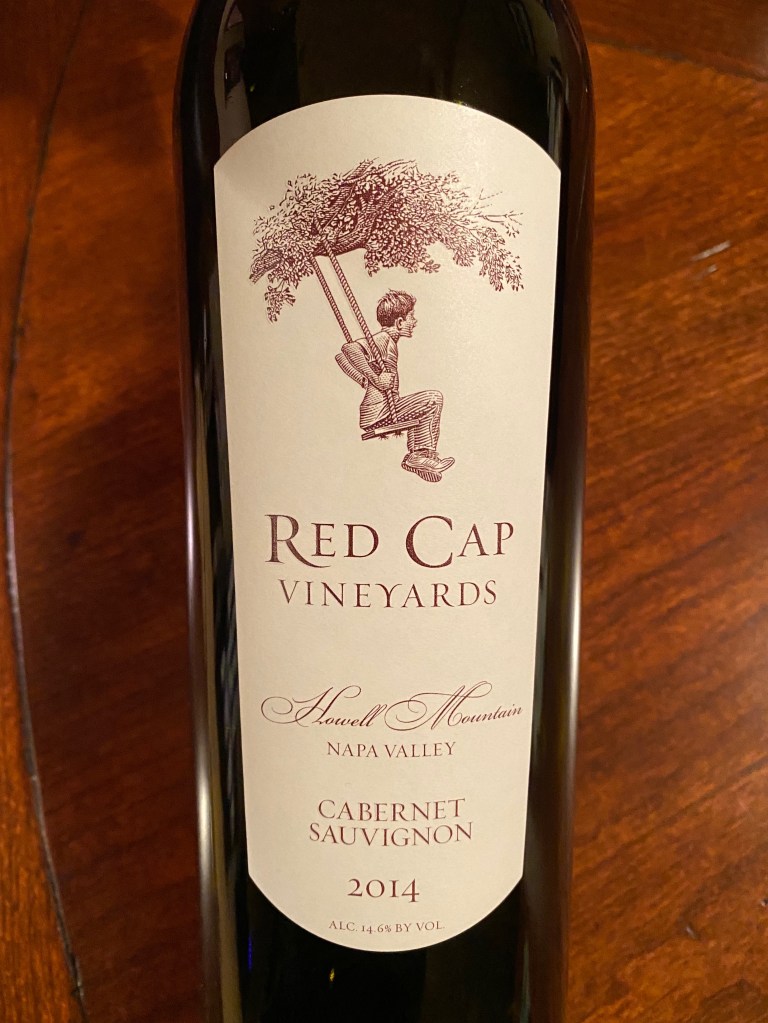
Today’s Wine: 2014 Cabernet Sauvignon
100% Cabernet Sauvignon; 14.6% ABV
Deep ruby (almost purple) in color with moderate staining on the glass. Due to its youth, I let this decant for three hours before drinking it over the following two hours. Once the nose opens up, I get incredibly concentrated aromas of blackberry, blueberry, and red berries alongside licorice, graphite, dried volcanic earth, white pepper, cedar, slight truffle, and green herbs. The palate showcases gorgeous mountain fruit of blueberry, blackberry, and raspberry accompanied by cigar box, baking spice, green underbrush, mint, and earth. This Cab is full-bodied with medium (+) acidity, high yet refined tannins, and a long finish dominated by notes of black cherry. Though this is already drinking beautifully with some air, I will wait at least 3-5 years before opening my next bottle and stagger them every couple years from there. 398 cases produced.
Price: $100 ($85 if you’re a club member). I have been very vocal with my friends and family for several years of the screaming value that Red Cap Cabernet is. Compared to some of their neighbors on Howell Mountain, Red Cap produces utterly incredible wines at a lower price-point. Pair this with steak, beef short ribs, lamb chops, or a high-quality burger.
From My Visit:
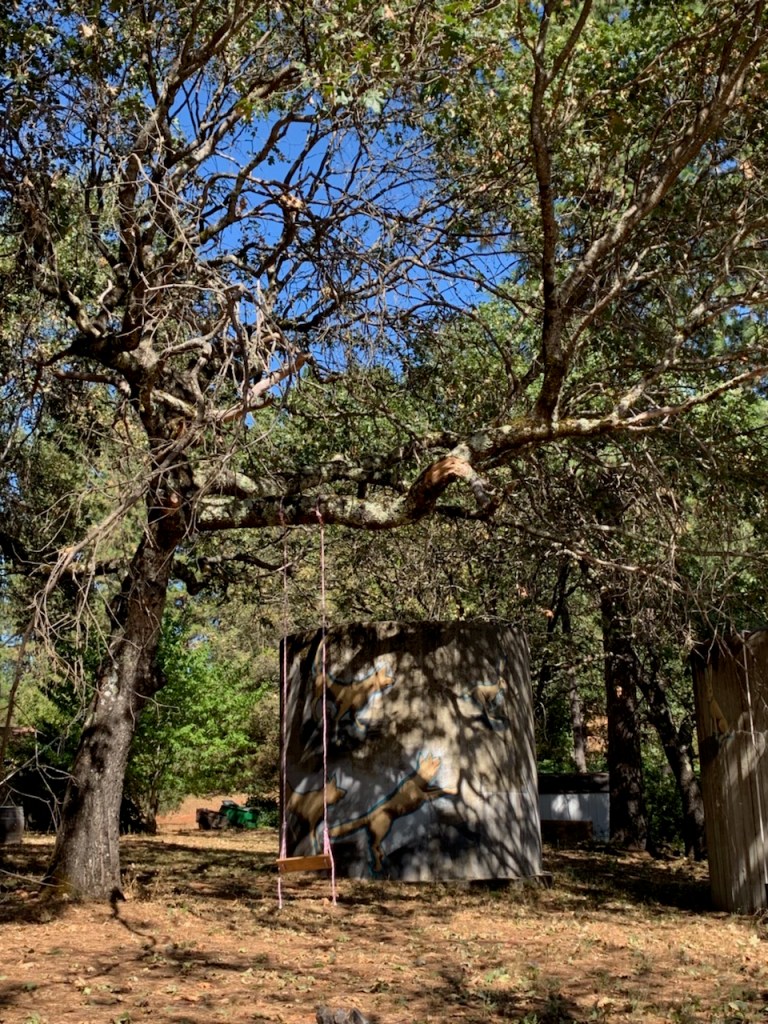
Note the red soil.More rocky, red soil.Tom giving us a tour of the vineyards.Tom explaining how seed color can indicate harvest timelines.THE swing.
Far Niente was founded in 1885 by a forty-niner of the California gold rush named John Benson. John constructed his winery just below the hillsides in western Oakville, and he had it designed by Hamden McIntyre who was behind the Christian Brothers winery (now the CIA at Greystone). Like several prominent wineries today, John built Far Niente to function as a gravity flow winery.
Though Far Niente was quite successful for its first few decades, during the onset of Prohibition in 1919 it was abandoned and fell into disrepair. It wasn’t until sixty years later in 1979 that a man by the name of Gil Nickel purchased the dilapidated winery and began a three year restoration project. Winemaking resumed once again in 1982 with the harvest of the estate’s first Cabernet Sauvignon as well as Chardonnay. To this day, Far Niente continues to only produce Cabernet Sauvignon and Chardonnay.
Switching gears a little bit, in addition to their Cabernet Sauvignon and Chardonnay bottlings you can find at many wine stores (and sometimes grocery stores), Far Niente releases a Cave Collection. Their Cave Collection wines make up an annual limited release of wines from the Far Niente library and are simply the Cabs and Chards put aside by the winery for further aging before release. You can tell the difference between a normal bottle and a Cave Collection by the black band added around the capsule. Their goal with the Cave Collection, which started in the late 1980s, is to provide collectors an opportunity to taste more mature wines without waiting years to age them themselves. This is a great way for wine enthusiasts and collectors to guarantee provenance of aged wine.
I’ve had a lot of wine from Far Niente (including their family of wines Nickel & Nickel, EnRoute, Bella Union, and Dolce) but this bottle truly surprised me. Had I tasted this blind, I probably would’ve called it Left Bank Bordeaux. In appearance this is deep, opaque ruby. I opened this bottle for an hour, then decanted it for about another hour. The nose offers aromas of blackcurrant, crushed blackberry, forest floor, slight barnyard, purple florals, graphite, and mocha. Once in the mouth, I get flavors of blackberry, blueberry, cigar box, pencil shavings, damp earth, dark roast coffee grounds, and slight pepper. Full-bodied with medium (+) acidity, dusty and refined medium tannins, and a long finish with notes of blackberry and black cherry. With a very tough vintage for Napa in 2011, Far Niente killed it with this bottling.
Price: $240. A good bottle of wine for a special occasion (we opened this with family in town from out of state). Pair this with filet mignon or slow cooked short rib.
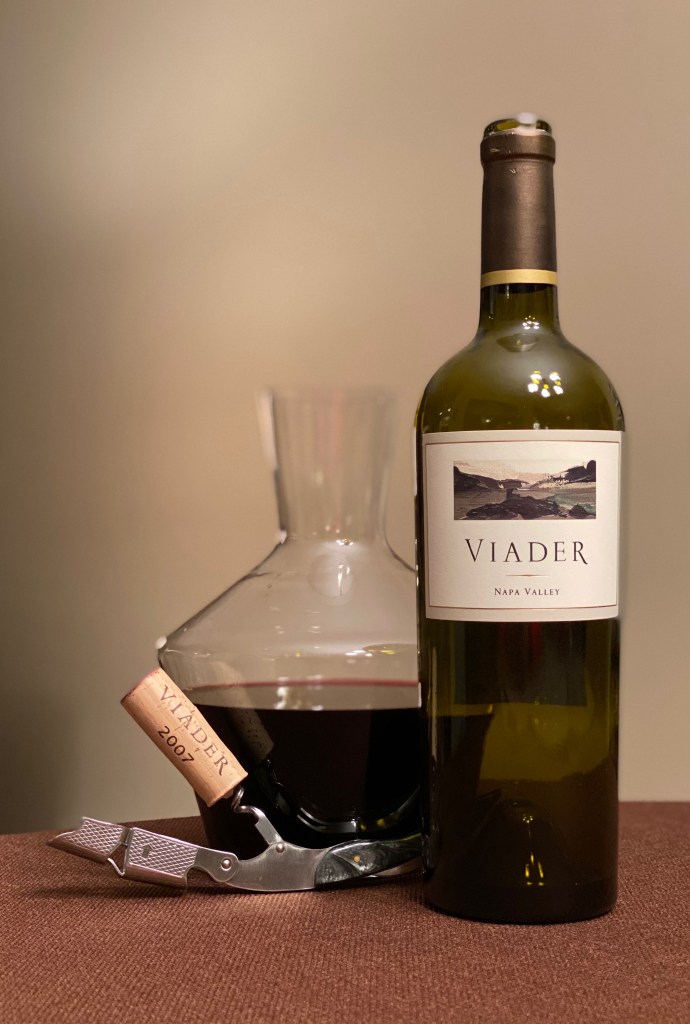
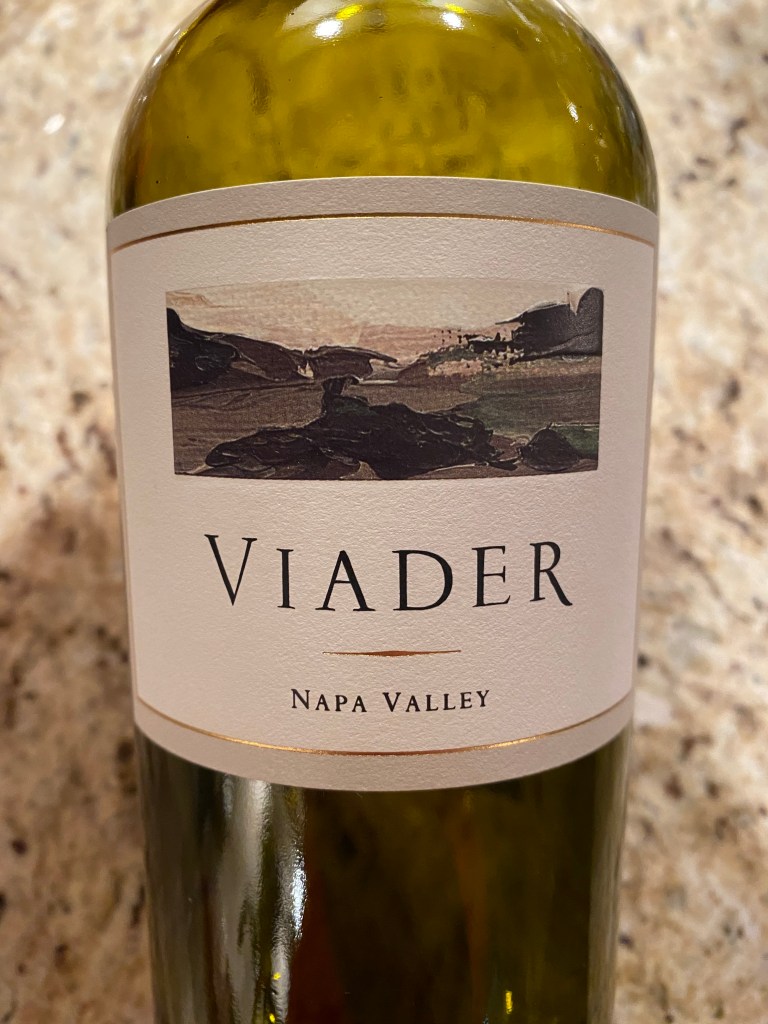
Viader was founded in 1986 by Delia Viader (first commercial release in 1989) and is located on the slopes of Howell Mountain 1,300 feet above the Napa Valley floor. Delia was born in Argentina and came to the United States as a post-graduate student, and she holds a Doctorate in Philosophy from Sorbonne University in Paris and studied Business in the US at MIT. While Delia served as the founding winemaker of Viader, her son Alan later picked up the torch and acts as winemaker today. Alan started working in the vineyards at the age of 9 and pursued his passion for grape growing after high school by attending a program in Sonoma and attaining a Viticulture Management degree. In 2002 Alan became the vineyard manager at Viader and in 2006 the lead winemaker.
As winemaker, Alan is said to be more hands-on and an experimentalist. For instance, he tries a range of organic, biodynamic, and sustainable practices in farming the vineyards and producing wine, seeking to strike a balance to produce the highest quality wines possible. Additionally, Alan experiments in the cellars with different blends, yeasts, fermentations, and barrel options.
Viader produces relatively small quantities of wine across four bottlings. Their signature, the Viader Red Blend, is always a blend of Cabernet Sauvignon and Cabernet Franc and was 60% Cabernet Sauvignon and 40% Cabernet Franc in the 1989 inaugural release. They also have the Viader Black Label (a blend of Cabernet Sauvignon, Syrah, Cabernet Franc, and Merlot), Viader V (Cabernets Sauvignon and Petit Verdot), and DARE (Cabernet Franc).
Fun fact: For over a decade, Viader produced wines at Rombauer Vineyards prior to construction of their own winery. Back then, Rombauer functioned as a custom crush winery for many now-prominent Napa Valley vintners.
This wine is medium to deep ruby in color and almost completely opaque. I filtered and decanted this due to some fine sediment in the bottle, and the decanting helped a bit of the alcohol blow off the nose while bringing out some of the wine’s complexities. On the nose I get aromas of jammy blackberry, anise, cigar box, dark chocolate, vanilla, and oak. I can also notice the alcohol on the nose. Once in the mouth, the wine showcases flavors of chewy blackberry and blueberry, cola, cardamom, iron, dried earth, finely crushed rock, and green herbs. Overall a very silky wine, this is medium-bodied with medium (+) acidity and medium (+) tannins into a long finish with notes of sappy blackberry and plum. Still some time left for bottle aging, though I don’t see this getting any better from here.
Price: $100. I think there are better values out there at this price-point, whereas I could see this being more reasonably priced around the $70-75 mark. Pair this with beef in steak or burger form.







 JB's Wine Talk