Great Value Rioja Gran Reserva

Today’s Story: El Coto de Rioja

El Coto de Rioja was established in 1970 when they completed their first harvest in Rioja, however the winery was not completed until 1976 in Oyón of the Álava province. Rather quickly, El Coto de Rioja ramped up their commercial goals and throughout the 1980s laid the foundation for drastic increases in global exportation that occurred during the 1990s. By the mid-1990s, demand for the wines was nearly outpacing production so El Coto de Rioja expanded their original winery and became the leading brand in the Spanish market for Crianza and Reserva by 2000. In 2004, the estate’s Los Almendros vineyard (450 hectares) became the largest in Rioja and today the winery is the largest winegrower in the Denominación de Origen Rioja. In 2010, El Coto de Rioja started producing white wines which preceded, in 2014, the creation of a separate winery (still within the overall facility in Oyón) built exclusively to produce white wines.

As briefly mentioned, El Coto de Rioja is the largest winegrower in the Denominación de Origen Rioja with 730 hectares planted to vine. These vineyards are spread throughout the region, broken down into 8 separate “farms.” Maintaining their own estate vineyards is a crucial aspect of the winemaking process for El Coto de Rioja, for it helps them ensure a consistent quality across all the fruit. This mentality continues to the winery itself, which is organized as twelve “separate” wineries each designated to complete one step of the winemaking process. For example, there are separate buildings for production, blending, aging, bottling, and the finished product, all with optimized conditions for their tasks.

To learn more about the estate or to look through their portfolio of wines, check out the website here.

Today’s Wine: 2012 Coto de Imaz Rioja Gran Reserva

90% Tempranillo, 10% Graciano; 14.5% ABV

The 2012 Coto de Imaz Rioja Gran Reserva is opaque deep ruby/purple in color and nearly black at its core. I decanted this for 5 hours or so, tasting along the way, and it needed it. While initially the nose is dominated by oak, cinnamon, and vanilla, over time it develops to showcase black cherry, plum, cassis, tobacco, black tea, graphite, rocky mineral, and cedar. Moving to the palate, I get notes of tart cherry, blackberry, black raspberry, licorice, red florals, baking spice, iron, and oak. This is full-bodied with high acidity, grippy medium (+) tannins, and a medium (+) length finish.

Price: $30. I think this is a great value for Rioja, especially a Gran Reserva. This would be a great accessible wine for people trying to explore Rioja who may not be familiar with the region or the Tempranillo variety. Drinks beautifully now with some air, but plenty of gas left in the tank.

Lovely Young Sauternes From a Historic Producer

Today’s Story: Château Suduiraut

Château Suduiraut traces its roots back to 1580 through the marriage of Nicole d’Allard to Léonard de Suduiraut. Though the estate was destroyed during the Fronde civil wars of the mid 1600s, the current château was rebuilt later on but still during the 17th century. During the late 18th century, the estate went to Jean Joseph Duroy, who was a nephew of the Suduiraut family, and it was renamed Cru du Roy. In 1992, AXA Millésimes acquired the estate and the company continues to focus on producing high quality Sauternes with traditional vineyard management and winemaking inspired by Suduiraut’s rich history.

The vineyards of Château Suduiraut total 91 hectares of which 90% is planted to Sémillon and 10% is planted to Sauvignon Blanc. The gravel and sandy clay composition of the soil proves poor for water retention and therefore the vines struggle, reaching deep for nutrients and focusing energy into smaller clusters of fruit. The soil acting in this way largely contributes to more concentrated and higher quality fruit. Come harvest, Château Suduiraut picks entirely by hand and sorts the grapes with great care due to noble rot (Botrytis Cinerea) as they become overripe. The great care and immense quality protocol requires up to five pickings during harvest season, oftentimes going vine by vine or bunch by bunch.

Today’s Wine: 2016 Sauternes

96% Sémillon, 4% Sauvignon Blanc; 14% ABV

The 2016 Sauternes is a beautiful, transparent deep gold in color. The captivating nose emits aromas of peach cobbler, apricot, orange marmalade, honey, savory herbs, florals, and vanilla. On the palate, I get notes of apricot, candied orange, pineapple, crème brûlée, caramel, ginger, and hazelnut. This wine is medium- to full-bodied with gorgeous medium (+) acidity and a long finish. While this drinks beautifully right now, it will certainly cellar nicely for at least another decade.

Price: $75. I think this is a pretty good value for Sauternes, and the $35 I paid for this half bottle was perfect both in price-point and for bottle size as a light after-dinner beverage. This is a gorgeous wine.

Everyday Drinking Syrah

Today’s Story: The Paring

I previously wrote about The Paring when I reviewed their 2015 Red Blend, but I wanted to revisit the brand for the Syrah today.

The Paring is like a “little sister” to Jonata and The Hilt, both wineries I wrote about previously, and is produced from blocks that are either too young or not stylistically aligned with its big sisters. As I mentioned in previous posts, Jonata and The Hilt are sister wineries of Screaming Eagle through a shared owner in Stan Kroenke who also owns the LA Rams and other sporting teams. Jonata excels with Rhône and Bordeaux varieties while The Hilt commands Pinot Noir and Chardonnay, providing the basis for the Paring portfolio which includes a Bordeaux Blend, Syrah, Sauvignon Blanc, Chardonnay, Pinot Noir, and Rosé of Pinot Noir. Fruit for The Paring is sourced primarily from the Ballard Canyon, Sta. Rita Hills, and Santa Maria Valley regions of Santa Barbara, and the winery also shares its skilled winemaker Matt Dees with Jonata and The Hilt.

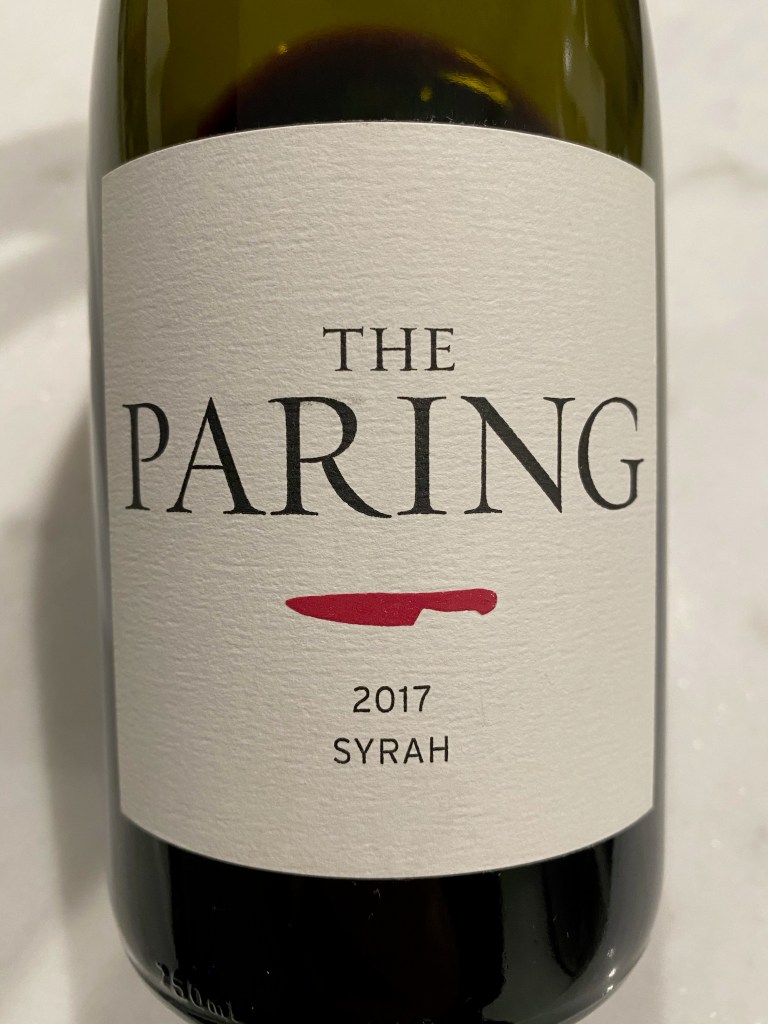
Today’s Wine: 2017 Syrah

100% Syrah; 14.4% ABV

The 2017 Syrah is opaque deep purple in color with heavy staining on the glass. Once this opens up, the nose showcases aromas of blackberry compote, blueberry, plum, sweet tobacco, wet gravel, baking spice, and oak. On the palate, I get notes of blueberry pie, candied black plum, black raspberry, underbrush, charred earth, slate, asphalt, and oak. This wine is full-bodied with medium (+) acidity, grippy high tannins, and a long finish.

Price: $25. This is a classic California Syrah built for everyday drinking, and I think the price is perfectly fit for it. While certainly young and drinking more like a people-pleaser’s Syrah today, this would go great with food.

Fresh, Vibrant, and Fun Coastal Chardonnay

Today’s Story: Lady of the Sunshine

Lady of the Sunshine was established in 2017 by Gina Hildebrand with a focus on Chardonnay, Sauvignon Blanc, and Pinot Noir sourced from organic and biodynamic vineyards in California’s Central Coast. Gina grew an appreciation and passion for wine growing up thanks to spending a lot of time at her family’s winery Narrow Gate Vineyards, though it also helped her discover the importance of biodynamic farming which her family also practices. With Lady of the Sunshine, Gina sources fruit from organically farmed vineyards at a minimum and, since early 2018, personally farms Chêne Vineyard and transitioned it to biodynamics with Demeter certification earlier this year.

When it comes to winemaking itself, Gina crafts fun wines meant to emphasize the terroir and her farming practices through minimal intervention in the cellar. All of the Lady of the Sunshine wines are fermented with native yeasts and see minimal sulfur additions in neutral oak. The wines are stirred from the lees only once for bottling, with all bottled unfined and unfiltered.

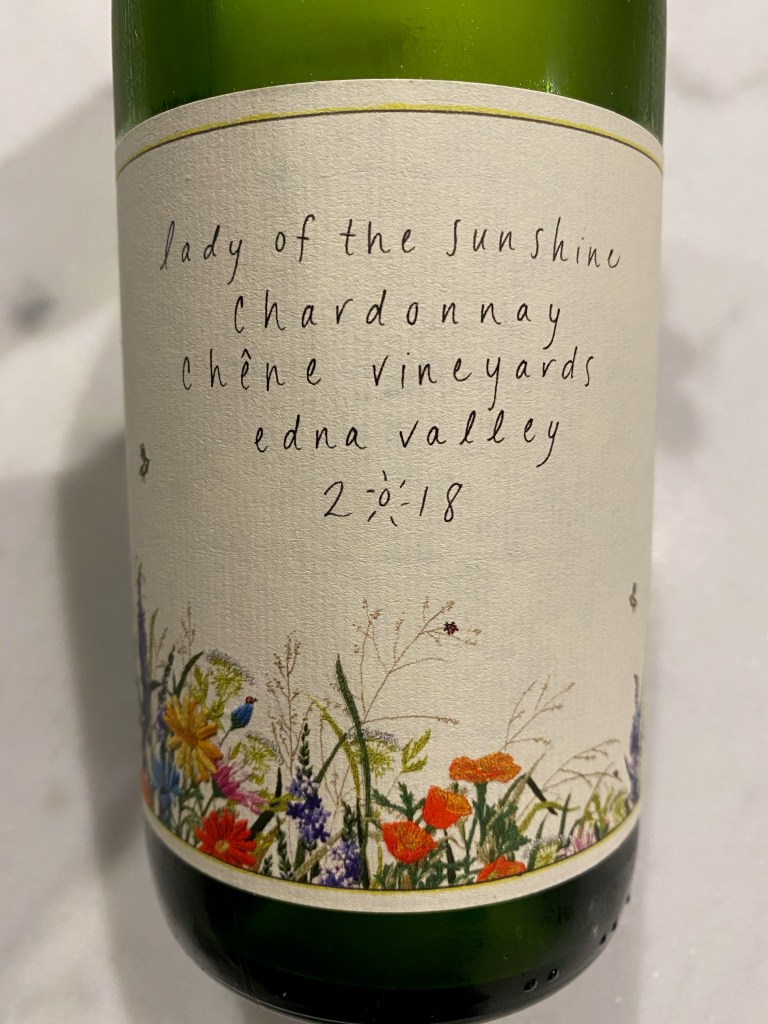
Today’s Wine: 2018 Chêne Vineyard Chardonnay

100% Chardonnay; 12% ABV

The 2018 Chêne Vineyard Chardonnay is transparent medium to deep gold in color. Given some time to open up in the glass, the wine showcases aromas of lemon citrus, crisp golden apple, stone fruit, white lily, brioche, flint rock, and saline mineral. Moving to the palate, I get notes of green apple, slightly underripe pear, baked pineapple, lime zest, olive oil, sea salt, and lightly toasted hazelnut and almond. This is medium- to full-bodied with vibrant high acidity, a plush and somewhat oily mouthfeel, and a long finish.

Price: $34. I think this is very fairly priced and it’s a very fun, clean, vibrant Central Coast Chardonnay. I really like how the low alcohol and minimal intervention winemaking makes this a true representation of the terroir and transports you to the coast.

Easy to Find Everyday Rioja

Today’s Story: Bodegas Faustino

Bodegas Faustino is a large, family-owned winery established in 1861 by Eleuterio Martínez Arzok in Oyón, Spain. Eleuterio purchased the manor house and existing vineyards of the property with a plan of producing wine and ramping up bulk production and improving quality over time. Around 1920, Faustino Martínez Pérez de Albéniz helped reconstruct the vineyards (which were destroyed by phylloxera) and later took over. One of his major accomplishments was being the first to bottle the family’s wine. In 1957, the winery leadership transitioned to third-generation Julio Faustino Martínez who, during the 1960s, established the Faustino brand and was the first to create an international market for their wines. Today the brand’s wines can be found in over 70 countries and the Faustino I Rioja Gran Reserva accounts for over 30% of all Gran Reserva DOCa Rioja sold around the world.

Bodegas Faustino currently owns about 650 hectares of vineyards in the DOCa Rioja, making them one of the largest vineyard owners in all of Rioja. The Faustino winery is also quite large to keep up with the vast production of wines shipped all over the world, with barrel rooms which hold about 50,000 oak barrels and cellars that hold about 9 million bottles at a given time. To learn more about Bodegas Faustino and explore their wide range of wines, check out the website here. To learn more about Faustino I in particular, visit here.

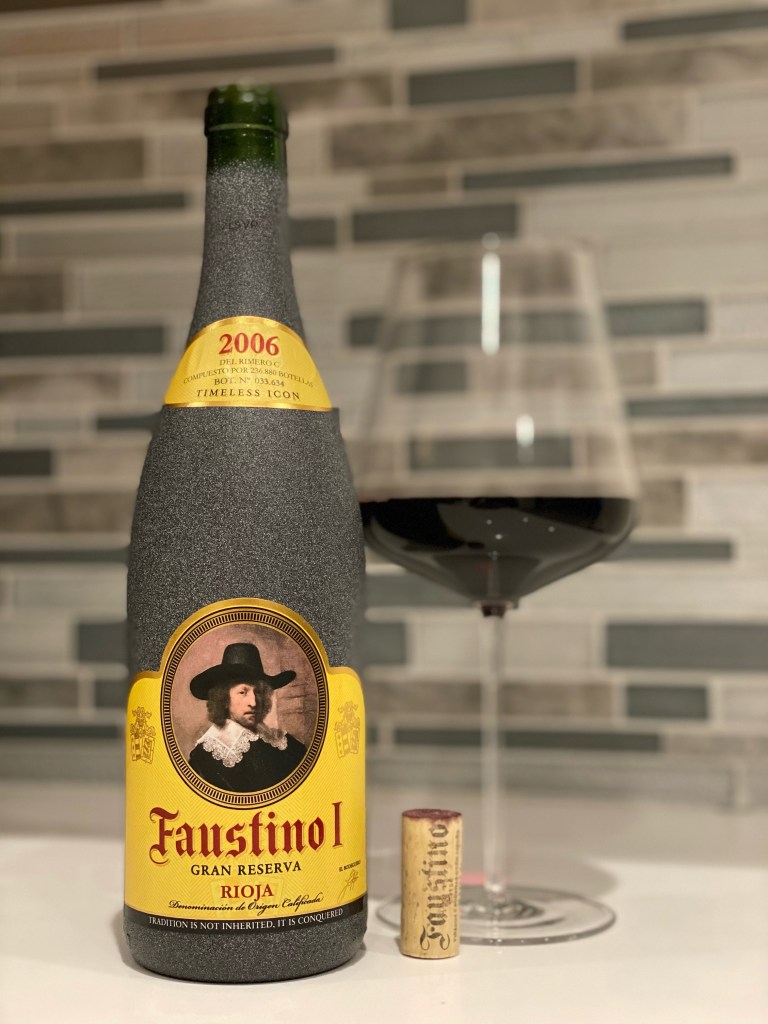
Today’s Wine: 2006 Faustino I Rioja Gran Reserva

86% Tempranillo, 9% Graciano, 5% Mazuelo; 13.5% ABV

The 2006 Faustino I is opaque medium to deep ruby in color. I gave this 2 hours to decant, which it needed to blow some of the oak and heat off the wine. Once opened, the nose emits aromas of fig, brambleberry, black cherry, cola, cigar box, truffle, forest floor, dill, mineral, and oak. On the palate, I get notes of plum, blackberry pie, tart cherry, dried earth, cedar, baking spice, chocolate, vanilla, and charred oak. This is medium- to full-bodied with medium (+) acidity, medium tannins, and a medium length finish.

Price: $27. I think this is a decent value Rioja for anyone new to exploring the region and its wines. The nose is certainly better than the palate in my opinion (palate still a bit people-pleasing) and this must be accompanied by food. Please, please, please give it some air before enjoying as well, as this really did start showing nicely at the 2-3 hour mark.

Complex Primitivo From a Lesser-Known Region

Today’s Story: Agricola Felline

Felline was established during the 1990s by the Perrucci family in Manduria of the Puglia (Apulia) region of Italy. Under the leadership of Gregory Perrucci, Felline is a champion of older native Italian varieties such as Primitivo, Negramaro, Ottavianello, Malvasia Nera, and Sussumaniello. Though these older varieties and many wines coming out of Puglia were “cheaper table wines” made in bulk, Gregory champions the region and spent great effort in studying the various soils and microclimates to produce higher quality, true-to-variety wines. Alongside Felline, Gregory established the Accademia dei Racemi to further his goals of bringing greater renown to the older varieties and wines of Puglia with the help of other wineries who share a similar mission. Gregory has been instrumental in building the reputation of Puglia as a winegrowing region, and it seems there are only greater heights ahead.

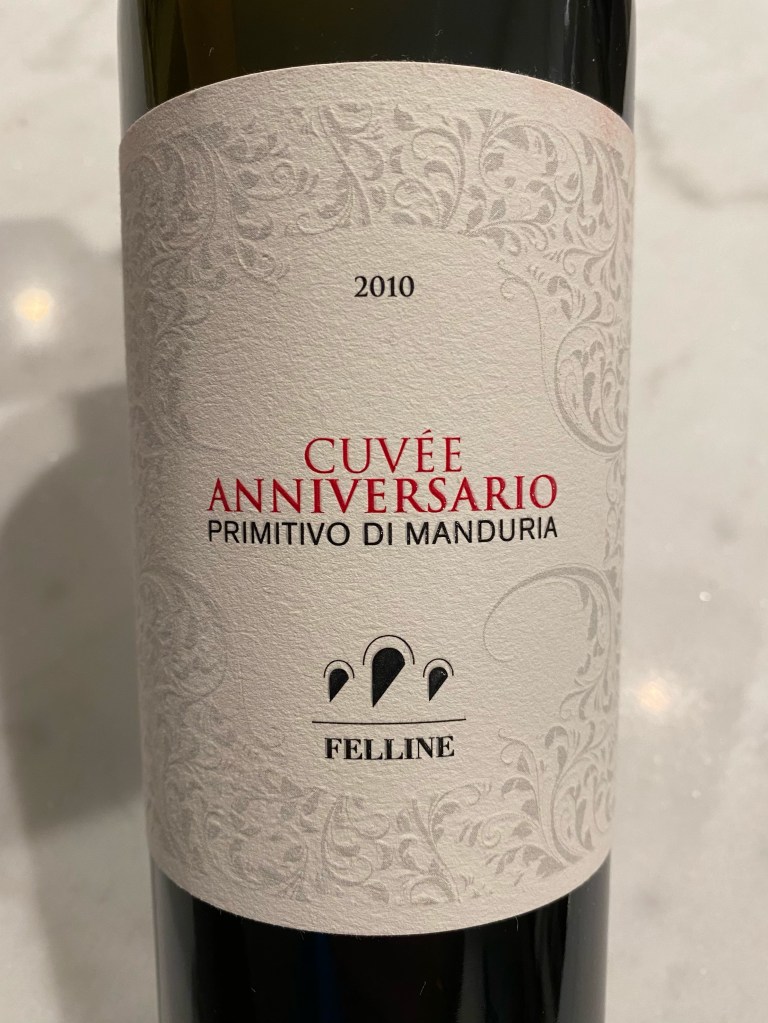
Today’s Wine: 2010 Primitivo di Manduria Cuvée Anniversario

100% Primitivo; 14.5% ABV

The 2010 Primitivo di Manduria Cuvée Anniversario is a rather beautiful, translucent, medium garnet color. Given some time to open up, the wine showcases a nose of sweet red cherry, strawberry, fig, red licorice, violet, exotic spice, cinnamon, and gravel. On the palate, I get notes of blackberry purée, ripe cherry, strawberry rhubarb, raspberry jam, sweet tobacco, dried earth, iron, and medicinal herbs. This wine is medium- to full-bodied with medium acidity, chewy medium (+) tannins, and a long finish.

Price: $50. I think this is very fairly priced and it’s a fun bottling of Primitivo with some age on it. There’s certainly still plenty of gas left in the tank emphasized by the wine’s fruit-forward characteristics and structure, but it is beautiful now. Share this with your Zinfandel lover who may not know it’s the same genetic variety!

Great Value Italian Syrah

Today’s Story: Tenimenti d’Alessandro

Tenimenti d’Alessandro was established in 1967 by the d’Alessandro family when they acquired property in Manzano near Cortona in south-east Tuscany. Today the estate consists of about 30 hectares of certified organic vineyards, which are planted to Syrah, Viognier, and Sangiovese. During the 1980s, Tenimenti d’Alessandro experimented with a number of varieties before ultimately finding the soil and climate uniquely suited for Rhône varieties of Syrah and Viognier. In the beginning of the 1990s, d’Alessandro released their first Viognier and Syrah called Fontarca and Bosco, respectively, and have since become a benchmark producer in Cortona. Several years ago, the Calabresi family who had been partners of Tenimenti d’Alessandro since 2007 took ownership of Tenimenti d’Alessandro and today Filippo Calabresi handles much of the winemaking process. Under the Calabresi family, the winery became certified organic in 2016.

To further explore the estate or their wines, visit the website here.

Today’s Wine: 2013 Il Bosco Syrah

100% Syrah; 14% ABV

The 2013 Il Bosco Syrah is opaque deep purple in color and almost black in the bowl of the glass. I decanted this for 2 hours and drank it over the following 2 hours. The nose showcases aromas of black plum, blackberry, black licorice, tobacco, damp tilled soil, mild smoke, and oak, with some alcohol also poking through. Once in the mouth, the wine offers notes of black cherry, plum, blueberry, purple florals, sweet tobacco, crushed rock, dark chocolate, and green peppercorn. This is full-bodied with medium acidity, medium (+) fine-grained tannins, and a long finish.

Price: $38. This is my first Italian Syrah, but I do drink a good amount of Syrah and find this bottling to be a very strong value. While both distinctly Italian and distinctly Syrah, I think this would be a fun wine for any Syrah lover to try.

Delightful Oregon Chardonnay With Burgundian Flair

Today’s Story: Lingua Franca

Lingua Franca was established in 2015 by Master Sommelier Larry Stone and his partners Dominique Lafon and winemaker Thomas Savre. Lafon is a legend of Burgundy in his own right, and his protégé Thomas Savre has many impressive names on his resume as well. Larry purchased Janzen Farm, which would become Lingua Franca, at the very end of 2012 and immediately set about planning for 23 vineyard blocks varying by rootstock and budwood. Though he and his team initially planned on selling fruit rather than making their own wine, Lafon suggested producing estate bottlings in 2014 and they officially began the endeavor in 2015 with Savre on board.

Lingua Franca puts vital importance on not only the vineyards themselves, but how they are cared for. Since its foundation, Lingua Franca farms using low-impact organic and biodynamic principles such as no-till farming and maintaining a permanent cover crop to improve soil biodiversity. Instead of using chemicals, the team encourages nesting of hawks, owls, foxes, and coyotes to fend off any unwanted visitors. When it comes to winemaking itself, Savre and team stick to Burgundian traditions and seek to produce wines truly representative of their place.

To learn more about Lingua Franca, the team, and the wines, I encourage you to visit their website here.

Today’s Wine: 2016 Avni Chardonnay

100% Chardonnay; 13% ABV

The 2016 Avni Chardonnay is transparent pale to medium gold in color with straw variation near the rim. Given some time to open up in the glass, the nose showcases aromas of golden pear, lemon zest, brioche, toasted almond, matchstick, limestone, and stony mineral. There are also some gorgeous herbal aromas. On the palate, the wine shows notes of lemon, stone fruit, crisp golden apple, apricot, mild smoke, flint rock, wet stone, and saline mineral. This is medium-bodied with mouthwatering high acidity and a plush, well-rounded mouthfeel into a long finish.

Price: $35. I think this is an outstanding value Chardonnay, standing up with some of the Chardonnays I’ve enjoyed for twice its price. This is also rather Burgundian in style, which helps the case with me!

Checking in on the Outstanding 2005 Bordeaux Vintage

Today’s Story: Château Lynch-Bages

Château Lynch-Bages is a historic Bordeaux wine estate established in 1749 by Thomas Lynch and his wife Elizabeth. In actuality, Thomas inherited the property itself through his marriage to Elizabeth. The estate was passed to their son Jean-Baptiste in 1779 upon his marriage, with Lynch-Bages remaining in the family until 1824 when it was sold to Swiss merchant Sebastien Jurine. With the foundation of the Lynch family’s care and quality wine, the Jurine family continued the estate’s prowess and ultimately received classification as a Fifth Growth in the Bordeaux Wine Official Classification of 1855. In 1934, Jean-Charles Cazes rented the estate and lated purchased it in 1938. When Jean-Charles passed away in 1972, management largely fell to his grandson Jean-Michel Cazes and it has been in the family ever since.

To learn more about the estate, check out their website here.

Today’s Wine: 2005 Château Lynch-Bages

72% Cabernet Sauvignon, 15% Merlot, 12% Cabernet Franc, 1% Petit Verdot; 13% ABV

The 2005 Lynch-Bages is opaque medium ruby in color with deep garnet variation. I decanted this for 3 hours (which it needed and then some) for this is still showing incredibly youthful, particularly in tannin structure. Once it does open up, the nose showcases aromas of crème de cassis, black cherry, blueberry, purple florals, cigar box, graphite, forest floor, green herbs, and a touch of oak. On the palate, I get notes of blackcurrant, plum, blackberry, cedar, tobacco leaf, dried underbrush, mild cracked pepper, dark chocolate, and coffee grounds. This is medium-bodied with medium (+) acidity, high tannins, and a long finish. Quite enjoyable, but not yet at its peak.

Price: $300 (but a wide range online from $200 to $400+). While no doubt a great wine from an outstanding vintage, I struggle to call it a good “value.” Getting to this price-point, it takes perfection to call a wine good value and I’d characterize this as somewhere between about right and overpriced. If you’re lucky enough to snag it closer to $200, it would be worthwhile.

Beautiful and Opulent Right Bank Bordeaux

Today’s Story: Vieux Château Certan

Vieux Château Certan (VCC) is a preeminent Bordeaux wine estate established in the mid-1700s in Pomerol on Bordeaux’s Right Bank. Though the early years are somewhat murky, the estate was founded by Jean Demay de Certan and the château itself traces to around 1770. Back then, the wines were bottled under the label Sertan. VCC quickly became one of the greatest wines produced in Pomerol and remains at that stature today, with the vineyards flanked by the great Château Pétrus and a short drive from Château Lafleur and Château Le Pin.

In 1924, change occurred when Belgian wine merchant Georges Thienpont (who owned Château Troplong Mondot) purchased VCC. Though the wines remained revered under his ownership, Georges sold everything through his own negociant business and limited its international exposure by doing so. It would not be until the 1980s when VCC started selling en primeur and racking up international acclaim. Though the estate weathered great troubles during the depression of the 1930s, it remains with the Thienpont family to this day. Alexandre Thienpont took over management and has since renovated the estate in 1988 and 2003 to continue constant improvement of the quality of wine. Today, Alexandre’s son Guillaume helps manage the estate and the team remains steadfast in their dedication to traditional winemaking aided by modern technology.

VCC consists of 14 hectares of vineyards, planted to roughly 65% Merlot, 30% Cabernet Franc, and 5% Cabernet Sauvignon. The estate practices sustainable farming and come harvest often moves row by row or even vine by vine depending on fruit readiness. VCC vinifies the wine using traditional oak and stainless steel vats that are temperature controlled, with an assortment of vats to allow for parcel by parcel vinification by variety and age of the vines. Production typically caps out at 5,000 cases per year, though there is a second wine called La Gravette de Certan which was introduced during the 1980s by Alexandre.

Fun Fact: Georges Thienpont introduced the iconic pink capsules as a way to track which of his negociant business clients purchased his VCC. Not wanting to offend his clients or make them uncomfortable by asking, he used these pink capsules to quietly and easily spot his wine in his clients’ cellars…or see if it was missing.

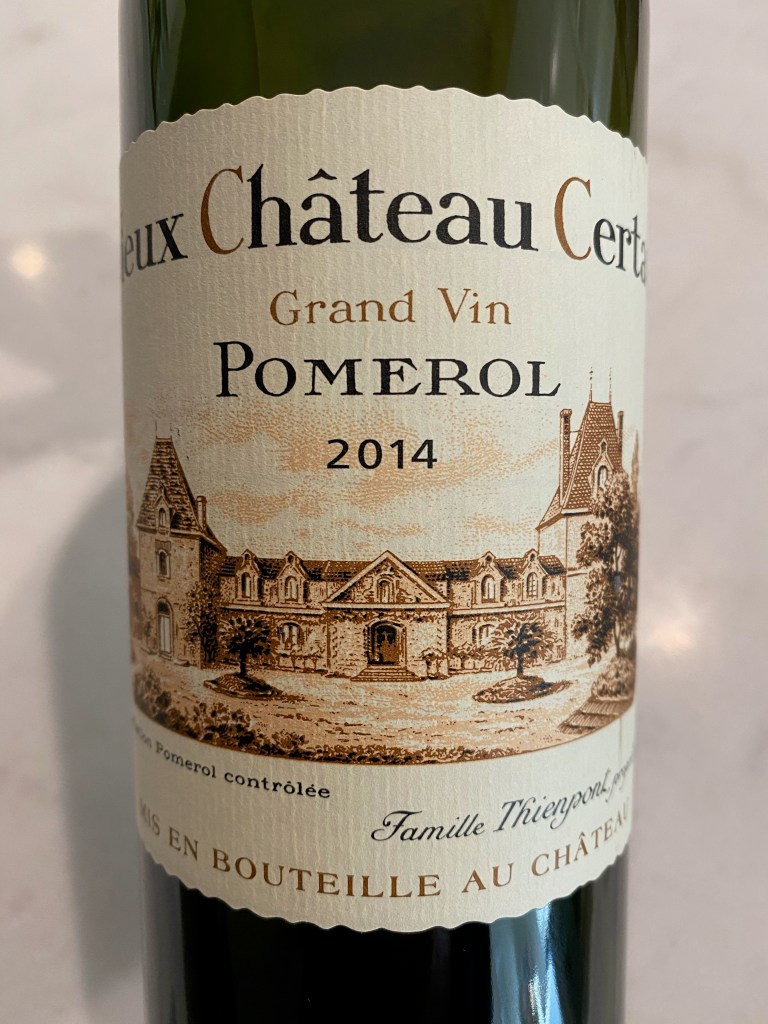
Today’s Wine: 2014 Vieux Château Certan

80% Merlot, 19% Cabernet Franc, 1% Cabernet Sauvignon;

The 2014 Vieux Château Certan is opaque medium ruby in color with deep garnet variation. I let this decant for 4 hours and drank it over the following 3. Once it opens up, the nose expresses aromas of blackberry, plum, blueberry, violet, cigar box, pepper, wet slate, dried herbs, chocolate, and slight oak. Moving to the palate, the wine showcases blackcurrant, black cherry, purple and blue florals, tobacco leaf, black truffle, forest floor, green herbs, mocha, cedar, and rocky mineral. This is medium- to full-bodied with medium (+) acidity, medium (+) but velvety tannins, and a long finish. Very opulent and gorgeous wine.

Price: $200. This is a tough price-point to call a wine a good “value,” but I honestly think this fits the bill. 2014 Bordeaux is really starting to show nicely (though it has more than plenty of life left) and the pricing is much easier to stomach than more highly prized vintages around it. I would stock up on this one.