Outstanding Value With a Long Life Ahead

Today’s Story: Mastroberardino

I previously wrote about Mastroberardino when I reviewed the 1968 Taurasi Riserva in An Italian Legend early this year.

Mastroberardino is a family-operated winery founded in 1878 in Atripalda within the Provincia di Avellino in the Campania region of southern Italy. While widely known for their production of Taurasi DOCG, Mastroberardino further cemented themselves into Italian viticultural history through tireless efforts to identify and protect native ancient varieties in Campania, particularly those formerly grown in Pompeii. For instance, Mastroberardino was selected by the Italian government in 1996 to oversee the Villa dei Misteri project in Pompeii where they replanted vineyards destroyed by the eruption of Mt. Vesuvius in AD 79 using the same plans, varieties, viticulture, and winemaking practices of that period in time. Though the winery has had its ups and downs over time (including near collapse following WWII due to economic hardship, phylloxera, neglect, and even family feuds), Antonio Mastroberardino resurrected his family’s legacy and helped build the winery into what it is today: a standard bearer of winemaking in southern Italy. Traditionalists in style, Mastroberardino continues to make some of Italy’s most historically important wines with Antonio’s son Piero now at the helm.

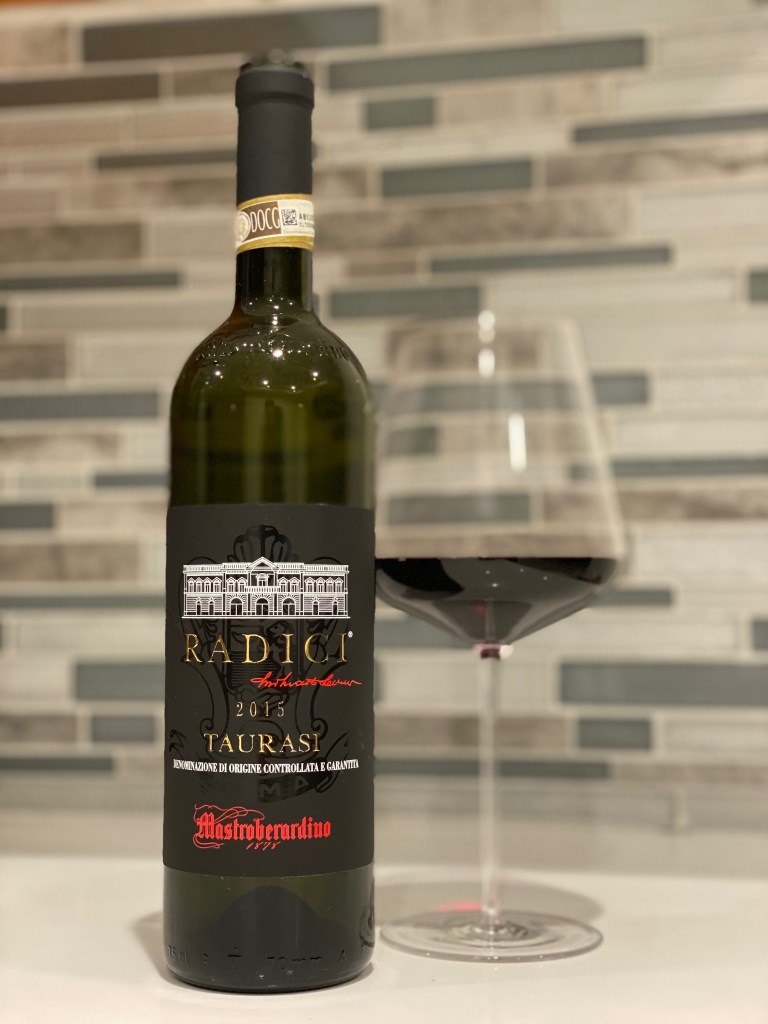
Today’s Wine: 2015 Taurasi Radici

100% Aglianico; 13.5% ABV

The 2015 Taurasi Radici is opaque medium to deep ruby in color with deep garnet variation near the rim. I gave this a couple hours to open up, allowing the nose to blossom into aromas of black cherry, ripe plum, strawberry, licorice, game, dusty dried earth, crushed rock, cedar, chocolate, and cracked pepper. Once in the mouth, the wine displays notes of blackberry, black raspberry, cassis, anise, violet, tobacco, loamy soil, granite, coffee grounds, smoke, mild vanilla, and rocky mineral. This is medium- to full-bodied with medium (+) acidity, high tannins, and a long finish. Drinks with remarkable depth, complexity, and character now but will only be better in five years and beyond.

Price: $40 (I got a steal at $29). At $40 this is a great value and I do not use the term “steal” lightly when I realize and appreciate I only paid $29 for this experience. This is one of those wines that I could be completely comfortable stockpiling for enjoyment over the decades to come. Pair with wild boar, roasted lamb, or smoked and spicy charcuterie with Pecorino cheese.

Tasty Gewurztraminer From Centuries of Tradition

Today’s Story: Maison Trimbach

Maison Trimbach is one of the most notable winemakers in Alsace, established in 1626 by Jean Trimbach. Today Trimbach is under the guidance of Hubert Trimbach and his nephews Jean and Pierre, rounding out 12 generations of family ownership and shared knowledge. Pierre’s daughter Anne, the oldest of the 13th generation, also now works in the family business. Though Trimbach’s world recognition greatly expanded in 1898 when Frédéric Emile Trimbach earned the highest marks at the International Wine Fair in Brussels, Trimbach is largely famous for the legendary Clos Sainte Hune vineyard. Located in the Rosacker Grand Cru vineyard, Clos Ste Hune has belonged to the Trimbach family for over two centuries and produces some of the most exquisite Alsatian Riesling in existence.

The Trimbach estate consists of 40 hectares encompassing 50 parcels across six villages that include Bergheim, Ribeauvillé, and Hunawihr. Trimbach also operates as a négociant business to produce additional non-estate wines. All of Trimbach’s winegrowing practices are sustainable and they try to preserve the natural environment of the vineyards. Trimbach practices close pruning and soil tilling while encouraging moderate yields and rigorous fruit selection come harvest which is accomplished entirely by hand. When the grapes are gently crushed at the winery, juices flow via gravity and Pierre vinifies and matures the wines adhering to centuries of tradition with both finesse and focus on the terroir. After being bottled each spring, the wines are released by maturity with some spending 5 to 7 years in the cellars to achieve balance before release.

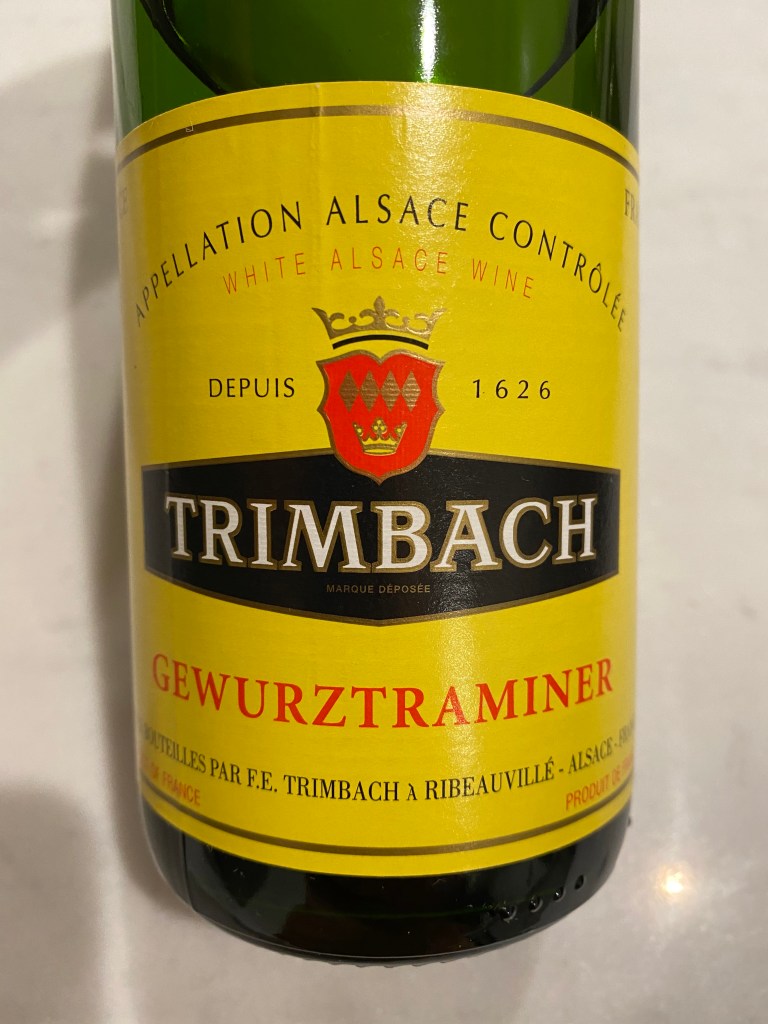
Today’s Wine: 2016 Gewurztraminer

100% Gewurztraminer; 14% ABV

The 2016 Gewurztraminer is transparent medium gold in color. On the nose, I get aromas of tangerine, peach, lemon curd, rose, beeswax, and petrol. The palate is quite vibrant and lively, with notes of mandarin, grapefruit, pear, ginger, white florals, herbs, and mineral. This wine is medium- to full-bodied with medium acidity and a dry, long finish.

Price: $24. I think this is fairly priced and a pretty solid representation for the variety. Pair this with foie gras, Munster cheese, or apple streusel.

Legendary Aged Barolo Just Past Its Prime

Today’s Story: Giacomo Borgogno & Figli

Borgogno is one of the most legendary, time-tested producers in Piedmont, producing Barolo since their founding by Bartolomeo Borgogno in 1761. Though the estate always produced quality wines, it was Cesare Borgogno who launched the estate to new heights when he took over in 1920 by exporting the wines to Argentina, Europe, and the United States. Cesare also initiated the practice of keeping half of the Barolo Riserva production in their cellars for 20 years before release. When Cesare passed away in 1968, the estate went to his granddaughter Ida and her future husband Franco Boschis with the couple joined by their children Cesare and Giorgio in 1984. In 2008, the Farinetti family acquired the winery and remains set on maintaining the rich traditional practices of the Borgogno and Boschis families to this day.

Today, Borgogno consists of roughly 38 hectares with 8 hectares made up of woodlands and 31 hectares planted to vine. Roughly 60% of the vineyards are planted to Nebbiolo, with the balance planted to Dolcetto, Barbera, and Freisa aside from 2 hectares of Riesling and 3 hectares of Timorasso. The estate also owns vines in the famous Barolo Crus of Liste, Cannubi, Cannubi San Lorenzo, Fossati, and San Pietro delle Viole. In 2015 and 2016, Borgogno commenced a shift to organic viticulture and does not use any chemical fertilizers or herbicides in the vineyards. The traditional methods of winemaking remain in place, with wines experiencing long spontaneous fermentation in concrete tanks without selected yeasts and long aging in large Slavonian oak barrels.

Today’s Wine: 1961 Barolo Riserva

100% Nebbiolo; 13.5% ABV

The 1961 Barolo Riserva is translucent and pale tawny in color clinging onto pale garnet in the bowl of the glass. The nose is decidedly tertiary, with aromas of earthy mushroom, musty cellar, dried tobacco, black tea leaf, smoked game, and tar leading the way with incredibly faint dried rose petal, cherry, and dusty raspberry in the backdrop. On the palate, the wine displays notes of forest floor, dried underbrush, truffle, leather, black cherry, fig, rose, anise, and faint cinnamon. This is medium-bodied with medium acidity, light tannins, and a medium finish. While still showcasing textbook aged Barolo characteristics, this is certainly past its prime and I would’ve loved to try this 5 years ago.

Price: $200. This is a bottle for a fun tasting experience, but while it is drinking decently well for the age I do not think it’s worth the price paid because this is past its prime. Pair with veal and truffles, pheasant, or delicate mild cheeses.

High Quality New Zealand Pinot Noir

Today’s Story: Fromm Winery

Fromm Winery was established in 1992 by Georg Fromm and winemaker Hätsch Kalberer, with the intent of producing European-styled wines of Pinot Noir, Syrah, Malbec, Chardonnay, Riesling, Sauvignon Blanc, Pinot Gris, and Gewürztraminer. The vineyards and wines are 100% organic, and Fromm believes in allowing the fruit and terroir to speak for themselves rather than being heavy-handed in the cellar. The vineyards are densely planted, they do not use any artificial chemicals, and refrain from irrigating the vineyards so the vines struggle and produce quality, terroir-driven fruit. Though Georg Fromm returned to his native Switzerland in 2008 to tend to his family winery, Fromm Winery today is under the watchful eyes of family friend and owner Pol Lenzinger, co-owner Stephan Walliser, and George Walliser.

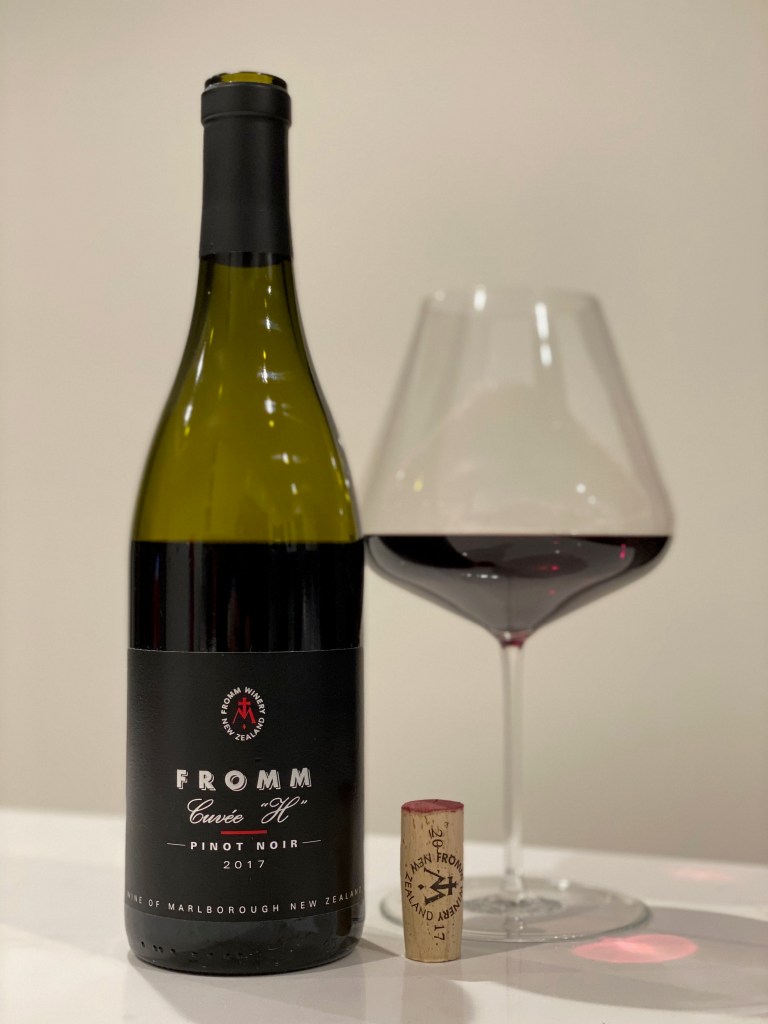
Today’s Wine: 2017 Cuvée H Pinot Noir

100% Pinot Noir; 13.5% ABV

The 2017 Cuvée H Pinot Noir is pale to medium ruby in color and translucent. Once this opens up, the nose showcases aromas of black cherry, strawberry, licorice, forest floor, gravel, mixed herbs, mild baking spice, and vanilla. On the palate, the wine displays notes of plum, pomegranate, wild raspberry, strawberry licorice, lightly smoked game, loamy earth, finely crushed rock, and light oak. This is medium-bodied with medium acidity, medium (-) tannins, and a medium (+) finish.

Price: $35. This wine offers great QPR, drinking with both quality and depth while coming across quite Burgundian in style. Pair with roasted chicken, Beef Wellington, or quail.

Outstanding Napa Sauvignon Blanc

Today’s Story: Lail Vineyards

Lail Vineyards was established in 1995 by Robin Daniel Lail, though her family’s history of winemaking in Napa Valley spans much further back in time. Robin is the great-grandniece of Captain Gustave Niebaum who founded Inglenook Vineyards in 1879, and his dedication to quality not only yielded some of the greatest wines in Napa but in the world at the time. After Gustave passed away in 1908, Robin’s father John Daniel, Jr. picked up the reigns having grown up in the vineyards of Rutherford with an appreciation for the land and winemaking. During Prohibition, Inglenook stopped producing wine and sold their fruit to Beaulieu Vineyard who were selling sacramental wine to the church. Following Prohibition’s repeal, John Daniel, Jr. resumed winemaking at Inglenook and produced some of the greatest Cabernet Sauvignon throughout the world until he sold the property in 1964. Though there was a gap between the sale of Inglenook and beginning of Lail Vineyards, Robin never let her passion for winemaking wane. She worked alongside Robert Mondavi during the 1970s who helped mentor her and tell her of her family’s significance in the Napa Valley, and she co-founded Dominus with Christian Moueix in the early 1980s and Merryvale with Bill Harlan in the late 1980s and early 1990s. When Robin decided to take her passion and dedication to her family’s history further, she and her husband Jon established Lail Vineyards and brought along renowned winemaker Philippe Melka.

Today Lail Vineyards consists of two estate vineyards, Totem and Mole Hill. The Totem vineyard is 2.5 acres and was part of the original Inglenook Vineyards in Yountville. In 2006 and 2007, the Merlot planted in Totem was t-budded to Sauvignon Blanc. The Mole Hill vineyard, on the other hand, is 3 acres planted to Cabernet Sauvignon between 1600-1700 feet in elevation on Howell Mountain.

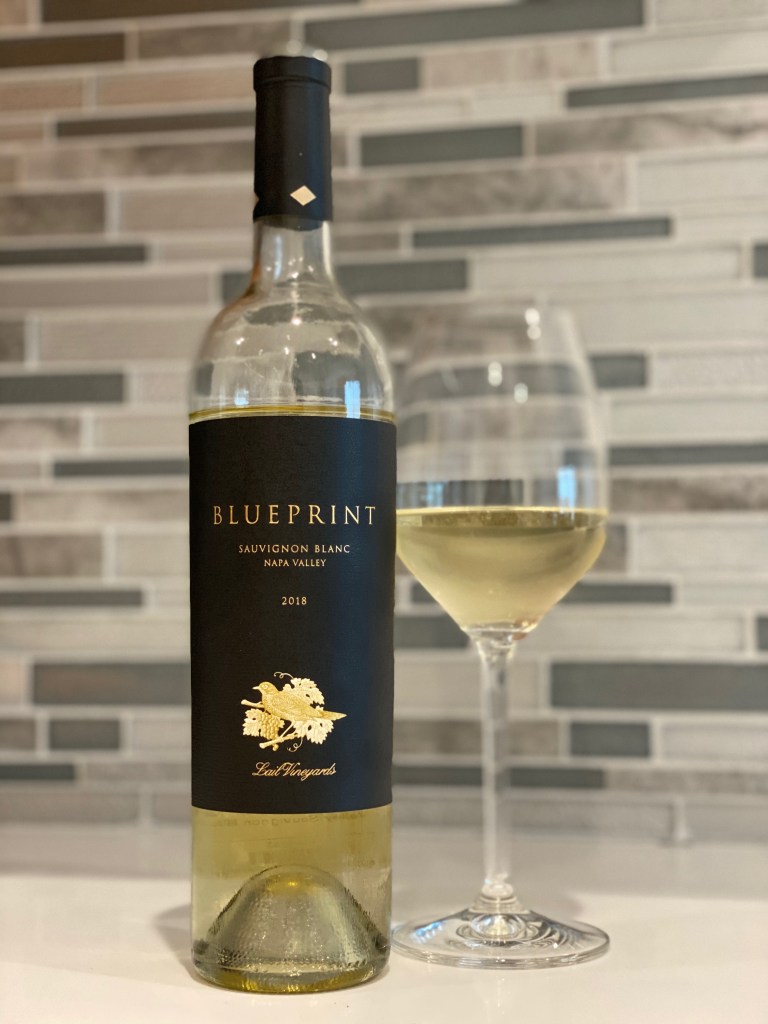
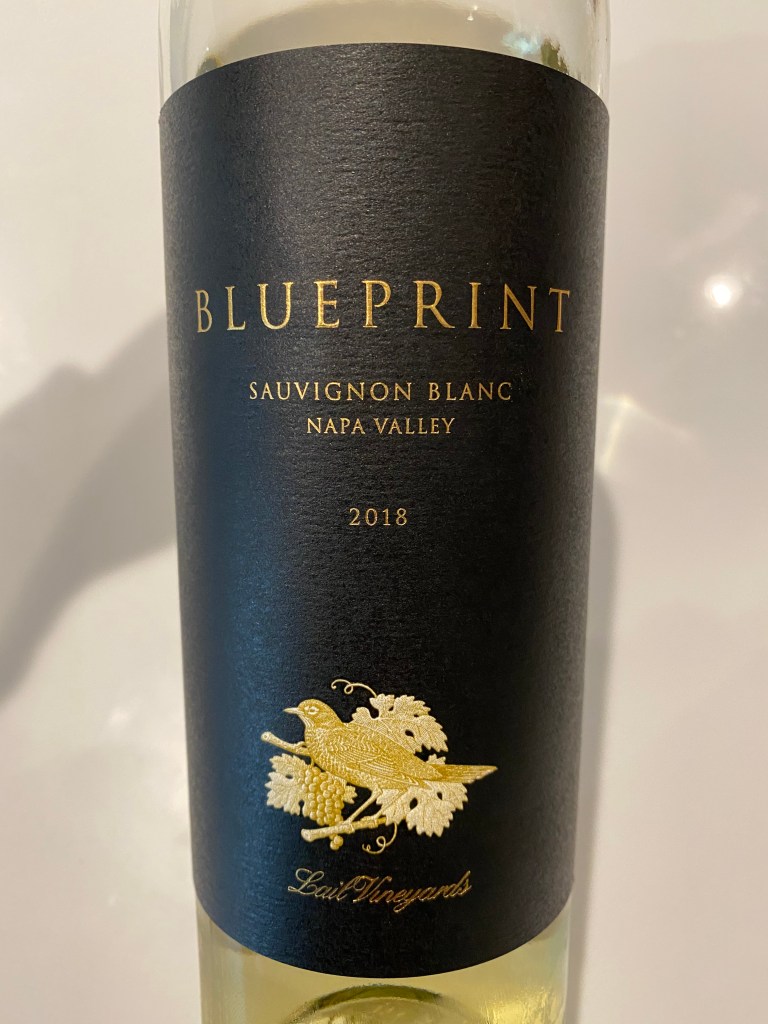
Today’s Wine: 2018 Blueprint Sauvignon Blanc

100% Sauvignon Blanc; 14.3% ABV

The 2018 Blueprint Sauvignon Blanc is completely transparent medium straw/yellow in color with water white variation. On the beautifully delicate nose I get aromas of lemon and lime zest, pineapple, mango, honeysuckle, freshly cut grass, saline mineral, and dried vanilla. Once on the palate, the wine displays notes of apricot, grapefruit, peach, honeydew melon, white florals, dried herbs, white pepper, and mineral. This is medium-bodied with high acidity and a lush, well-rounded mouthfeel into a crisp and refreshing finish. 1,342 cases produced.

Price: $40 from winery (I paid $35 retail). This is an outstanding Sauvignon Blanc that certainly punches above its price-point. The depth, complexity, and quality of fruit here makes this a necessity to try and I see this drinking even better over the coming five years. Pair with Dover sole, oysters, or pesto chicken.

Incredible QPR From Chianti Classico

Today’s Story: Castello di Monsanto

Castello di Monsanto is a family-owned estate and winery in the Barberino Tavarnelle municipality of Chianti Classico. Aldo Bianchi was born in San Gimignano, however he left before WWII to seek opportunities in northern Italy. When Aldo visited Chianti again, however, he fell in love with Castello di Monsanto and purchased the property. It was Aldo’s son Fabrizio, however, who through a love of wine and entrepreneurial spirit realized the potential of their terroir and produced their first wine in 1962 using fruit from the Il Poggio vineyard. This was a special endeavor, not simply for it being the first Monsanto wine, but because it was the first single-vineyard Chianti Classico Cru. Fabrizio did, however, make a Chianti Classico Riserva in 1962 as well. As time passed Fabrizio augmented the Monsanto portfolio with Fabrizio Bianchi Sangioveto Grosso (100% Sangiovese in 1974), Nemo (100% Cabernet Sauvignon in 1981), Fabrizio Bianchi Chardonnay (in 1990), and more. Today, Fabrizio’s daughter Laura (who joined in 1989) works alongside him at Monsanto to carry the estate onto another generation.

To learn more about Castello di Monsanto and view pictures of the vineyards, cellar, and castello, check out the website here.

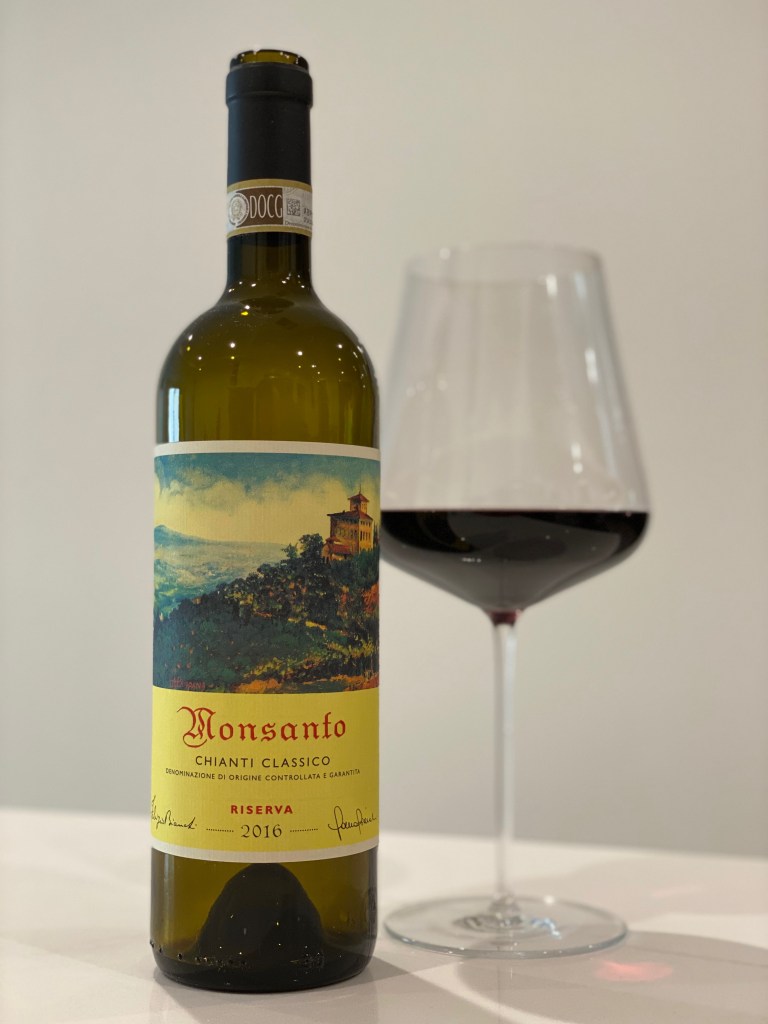
Today’s Wine: 2016 Chianti Classico Riserva

90% Sangiovese, 10% Canaiolo and Colorino; 14% ABV

The 2016 Chianti Classico Riserva is mostly opaque medium ruby in color with garnet hues. I decanted this for 2 hours thanks to its youth, and the nose showcases aromas of ripe cherry, cranberry, plum, anise, loamy earth, tar, savory herbs, and light oak. Once on the palate, the wine displays notes of brambleberry, dusty black raspberry, pomegranate, black cherry, tobacco, crushed rocky soil, mild baking spice, coffee bean, and oak. This is medium-bodied with medium acidity, medium (+) dusty tannins, and a long finish.

Price: $25. Outstanding QPR, and one of those wines to buy by the case to stock in your cellar. This is incredibly young but approachable with air, and will drink well for another decade or two at least. Pair with pasta bolognese, ossobucco, or meat lover’s pizza.

Powerful Zinfandel-Based Blend From Sonoma County

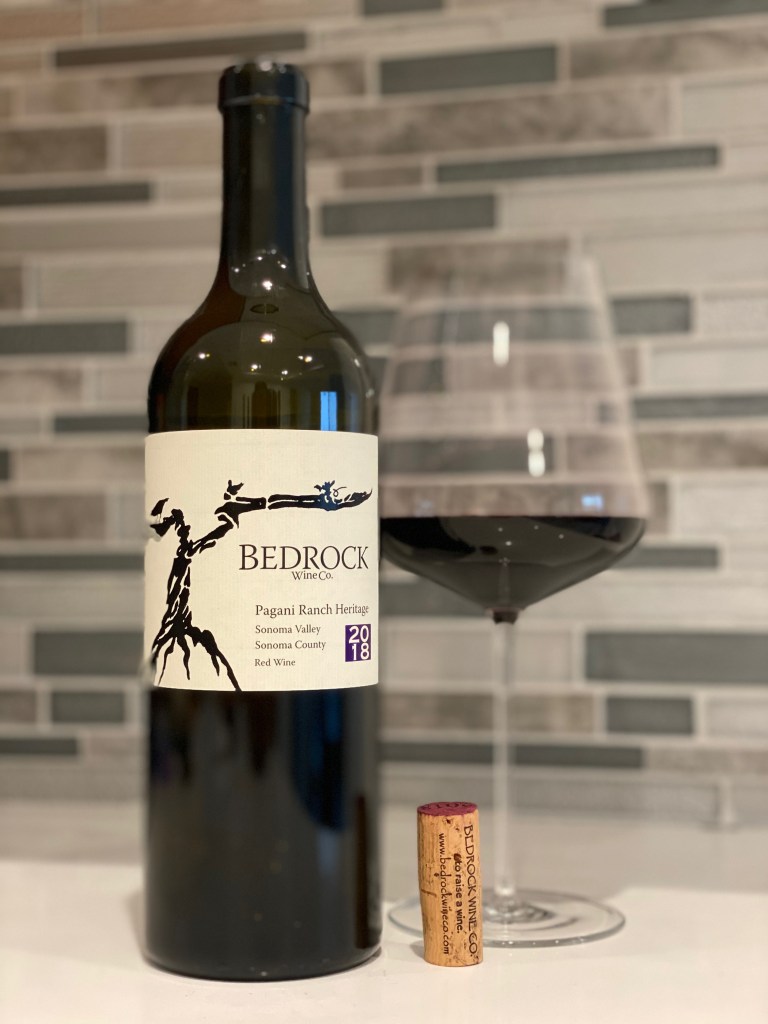
Today’s Story: Bedrock Wine Co.

Bedrock Wine Co. was established in 2007 by Morgan Twain-Peterson in a converted chicken coop in his friend’s backyard. Though Bedrock has grown over the years, Morgan stays true to a mission of working with respected growers throughout the state of California in preserving and breathing new life into old vineyards dating to the late 1800s and early 1900s. Working with vineyards from Contra Costa County, Sonoma Valley, Oakville, Lodi, the Russian River Valley, and beyond, Morgan produces wines with Zinfandel, Mourvèdre, Carignan, Petite Sirah, Alicante Bouschet, Grenache, Semillon, Gewurztraminer, Trousseau Gris, and Riesling. He also works with a handful of other varieties and is always on the hunt for more to explore. Though his blends can seem pretty eclectic, Morgan keeps his winemaking simple by gently handing the fruit, fermenting with whole clusters and only native yeasts, and rarely or never fining the wines.

For more on Bedrock’s history, the vineyards they work with, or the portfolio of wines, check out the website here.

Today’s Wine: 2018 Pagani Ranch Heritage

Zinfandel dominant blend with Alicante Bouschet, Lenoir, Grand Noir, and Petite Sirah (no tech sheet); 14.5% ABV

The 2018 Pagani Ranch Heritage is opaque deep purple in color with dark fuchsia near the rim. I decanted this for about 2 hours, allowing the expressive nose to showcase blackberry, blueberry, plum, anise, leather, chiseled rock, cracked pepper, chocolate, and oak. Once in the mouth, this bold and powerful wine displays notes of black plum, black cherry, cassis, unlit cigar, wet slate, tar, peppery spice, and charred oak. The wine is medium- to full-bodied with medium acidity, medium (+) chewy tannins, and a long finish. Fantastic now with some air, but will only get better with age.

Price: $50. Without a doubt worth the price, but would be immensely more rewarding if you have the patience to lay this down and check on it in another five years. This is a bold, thought-provoking wine that will pair with barbecue pork ribs, bacon-wrapped ribeye steak, or lasagna.

Traditional Brunello di Montalcino for a Great Value

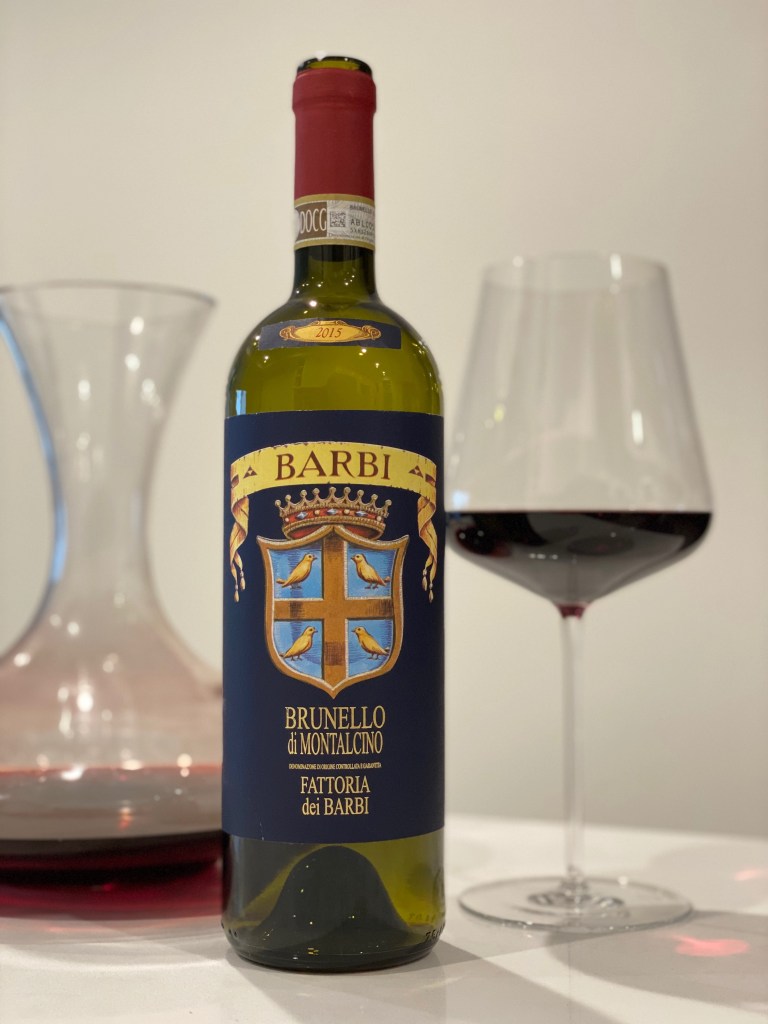
Today’s Story: Fattoria dei Barbi

Fattoria dei Barbi is a historic estate in Montalcino, founded in 1790 by the Colombini family who were one of the region’s most influential and noble families. Though they established Barbi in 1790, the family owned land in Montalcino dating back to 1352 and first built Poggio alle Mura (now Castello Banfi) and then Argiano. The Colombini family greatly helped build the prestige and quality of Brunello di Montalcino as one of the original producers, with bottles back to 1870 in their cellars today. Barbi was the first Montalcino estate to ship wine to France (1817), by mail order (1832), and to the United States (1962), England (1969), and Japan (1975). Today the estate spans more than 306 hectares and is under guidance of 20th generation family member Stefano Cinelli Colombini.

To learn more about Stefano, this historic estate, or peruse their portfolio of wines, you can visit the website here.

Today’s Wine: 2015 Brunello di Montalcino

100% Sangiovese; 14.5% ABV

The 2015 Brunello is medium to deep garnet in color and mostly opaque. Given a couple hours to decant, the wine blossoms to showcase a nose of black cherry, redcurrant, dried strawberry, cedar, tobacco leaf, worn leather, loamy earth, gravel, and savory herbs. Once on the palate, the wine displays notes of plum, juicy blackberry, black raspberry, stemmy tomato paste, blue florals, licorice, tobacco, oregano, espresso, and black pepper. This is medium- to full-bodied with medium acidity, medium (+) grippy tannins, and a long finish.

Price: $45. The 2015 Barbi Brunello di Montalcino is a great value for the region and is beautifully traditional. Give this another 5 years of bottle age and drink it over the following decade. Pair with Bistecca alla Fiorentina, herb-roasted leg of lamb, or Pecorino cheese.

Textbook New World Viognier

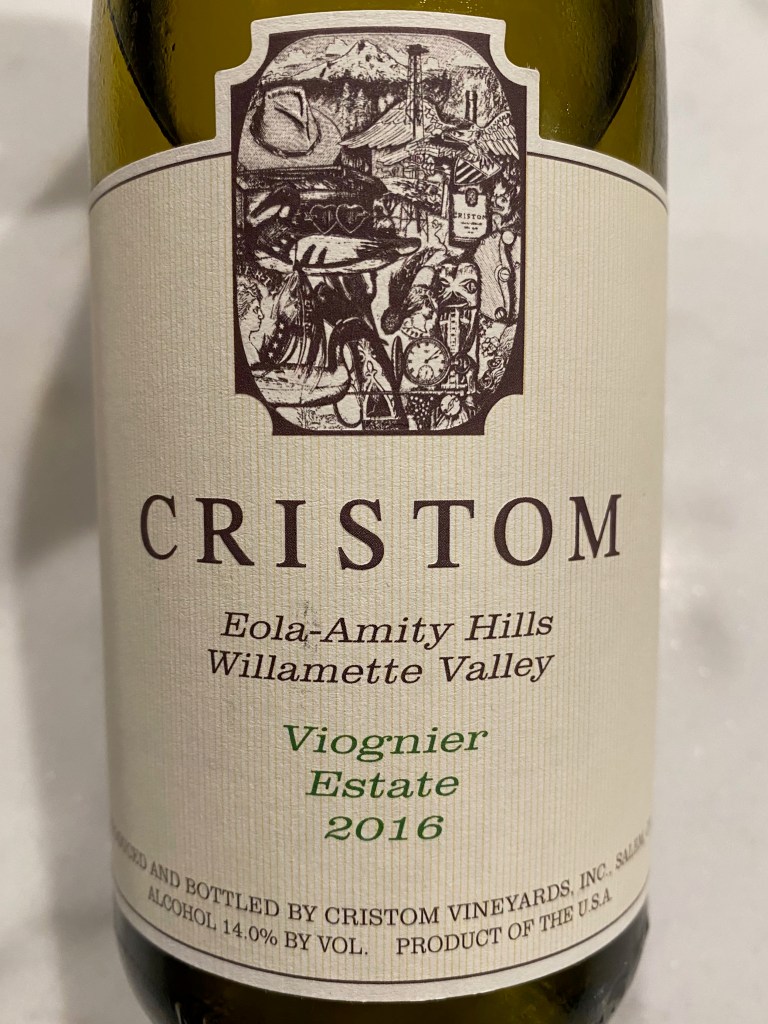
Today’s Story: Cristom Vineyards

Cristom Vineyards was founded in 1992 by Paul and Eileen Gerrie in the Eola-Amity Hills AVA of the Willamette Valley. Established out of an appreciation of winemaking, the land, and Burgundy’s concept of terroir, Cristom is known for their estate Pinor Noirs. Cristom consists of eight estate vineyards totaling just over 100 acres, four of which are planted to Pinot Noir (Eileen, Jessie, Louise, and Marjorie) and four that are planted to Pinot Gris, Chardonnay, Viognier, and Syrah. Cristom’s vineyards are all certified sustainable and carefully tended such that come harvest all fruit is as healthy and expressive of the terroir as possible. Cristom winemaker Steve Doerner practices minimal intervention in the cellar and wines are fermented whole cluster with native yeasts, all in an effort to produce high quality and elegant wines with a sense of place.

Today’s Wine: 2016 Estate Viognier

100% Viognier; 14% ABV

The 2016 Estate Viognier is pale straw/yellow in color with medium gold and water white hues. On the nose, I get aromas of tangerine, white peach, honeysuckle, toffee, vanilla bean, and saline mineral. Once in the mouth, the wine showcases notes of apricot, mango, peach, white florals, wax, and herbs with an almost medicinal character. This is medium- to full-bodied with medium (-) acidity and an oily mouthfeel into a rounded, long finish. 978 cases produced.

Price: $30 average (I paid $22). I would surely pay $30 for this, because it is a great example of New World Viognier, but I can call it a value much closer to the $22 I paid. There wasn’t as much depth in this that I hoped for. Pair with quail, lobster, or sea bass.

Tasty Bordeaux Blend to Broaden Your Palate

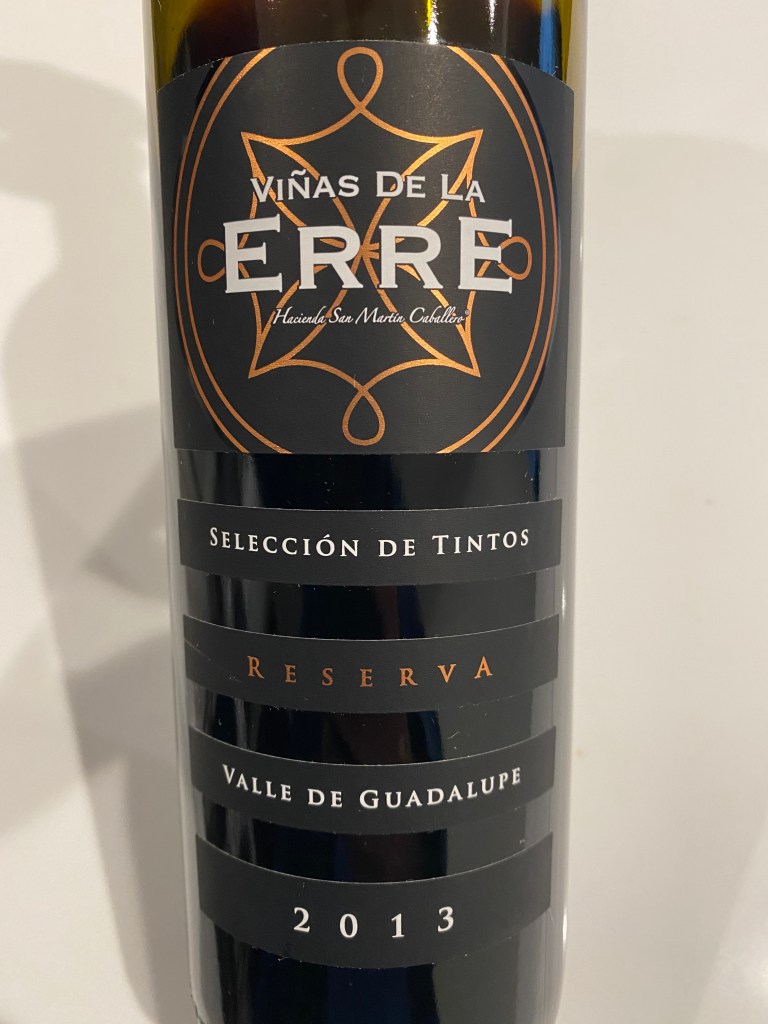
Today’s Story: Viñas de la Erre

Viñas de la Erre is a family owned and operated winery established in Valle de Guadalupe in 2009. The Erre family acquired the Hacienda San Martín Caballero back in 1985, however it functioned mostly as a family farm and way for the family to expand their legacy in Guadalupe. In 2008, however, Claudio met Rogelio Morales who was then cellar manager and assistant winemaker at Spring Mountain Winery in Napa and they struck up a friendship. When Rogelio and his family visited the Erre’s in Valle de Guadalupe, Rogelio realized the potential of the land for winegrowing and offered to help mentor the change from farming to winemaking. Since fully launching in 2014, Viñas de la Erre practices full estate bottling (similar to Spring Mountain) and winegrower Ernesto I. Rocha, enologist Rogelio, and vineyard manager Claudio work to craft premium estate wines. Together as a team they sustain the vineyards, hand harvest all fruit, and monitor the winemaking process from fermentation to barrel aging and bottling.

Today’s Wine: 2013 Selección de Tintos Reserva

68% Cabernet Franc, 16% Petite Verdot, 12% Merlot, 4% Cabernet Sauvignon; 13.8% ABV

The 2013 Selección de Tintos Reserva is opaque deep ruby in color. I recommend giving this a good 45 minute decant before enjoying. The nose showcases aromas of black cherry, blackberry, tobacco, scorched earth, dried herbs, black pepper, chocolate, and oak. Once on the palate, I get notes of black plum, blackcurrant, black raspberry, anise, sweet tobacco, rocky earth, underbrush, and light baking spice. This is medium-bodied with medium acidity, medium tannins, and a medium (+) finish.

Price: $31. This drinks right around it’s price-point, but I’d love to see this closer to $22-25 per bottle. I noticed during some research this sold for $42 at one point, which I believe is definitely too high. Pair with roasted pork, beef burgers, or pepper-crusted steak.