Mouthwatering California Sauvignon Blanc

Today’s Story: Spottswoode

Spottswoode traces its roots to 1882 when a German immigrant by the name of George Schonewald and his wife Catherine purchased 31 acres at the foot of the Mayacamas Mountains with the intention of using it for a summer home. The Spottswoode name, however, did not come around until 1910 when Susan Spotts acquired the estate. As Prohibition dawned, the Spottswoode estate fell into disrepair but the family continued to sell grapes to the Christian Brothers Winery which made sacramental wines. The estate remained under ownership of Spotts family descendents until, in 1972, Mary and Jack Novak purchased the estate and moved their family to St. Helena. The Novaks quickly set about expanding with an additional 15 acres and replanted their pre-Prohibition vines to Cabernet Sauvignon, Zinfandel, and Sauvignon Blanc. Jack passed away unexpectedly in 1977, but Mary was determined to continue their dream and completed her first harvest while selling fruit to wineries including Shafer and Duckhorn. In 1982, Mary christened the estate Spottswoode Estate Vineyard & Winery and produced her first Cabernet Sauvignon. Spottswoode started utilizing organic farming methods in 1985 and became certified organic in 1992 by CCOF. Today, Spottswoode remains under the watchful eyes of Mary’s youngest daughter Beth, who joined in 1987, and Mary’s oldest daughter Lindy, who joined in 1992.

To learn more about this historic and award-winning winery, check out their website here. You can browse their portfolio, read about specific farming and winemaking practices, or view pictures of the beautiful grounds and Victorian home which adorns the labels.

Today’s Wine: 2018 Sauvignon Blanc

100% Sauvignon Blanc; 14.1% ABV

The 2018 Sauvignon Blanc is transparent deep straw in color with yellow variation. The expressive nose showcases aromas of Meyer lemon, cantaloupe, golden apple, lime zest, lemongrass, honey, saline mineral, white pepper spice, and cream. On the palate, I get notes of white peach, lemon and lime zest, grapefruit, green apple skins, freshly cut grass, brioche, white florals, and vibrant minerality. This is medium-bodied with high acidity and a lush, fully-rounded mouthfeel leading into a finish that lingers and lingers.

Price: $40 ($35 if you’re lucky). One of the better California Sauvignon Blancs I’ve enjoyed, though I tend more toward France. This bottle is crying for a hot summer’s day, and I’d be curious to try it on such a day with a few more years of bottle age. Pair this with oysters, Dover sole, or grilled chicken salad.

Boutique Syrah for the Explorer

Today’s Story: Arnot-Roberts

Arnot-Roberts is a boutique winery established in 2001 by Duncan Arnot Meyers and Nathan Lee Roberts, two childhood friends who grew up together in Napa Valley. After college, Nathan started working with his father as a cooper of oak wine barrels while Duncan pursued winemaking throughout Napa and Sonoma counties. Arnot-Roberts began with a single barrel of wine the duo produced in their basement and over time grew through the purchase of fruit from renowned vineyards in Napa, Sonoma, El Dorado, and Amador counties as well as the Santa Cruz Mountains. When selecting vineyards, Arnot-Roberts makes sure the farmers are both “passionate and conscientious” because their goal is to produce small quantities of honest, terroir-driven single-vineyard wines which truly express their unique place.

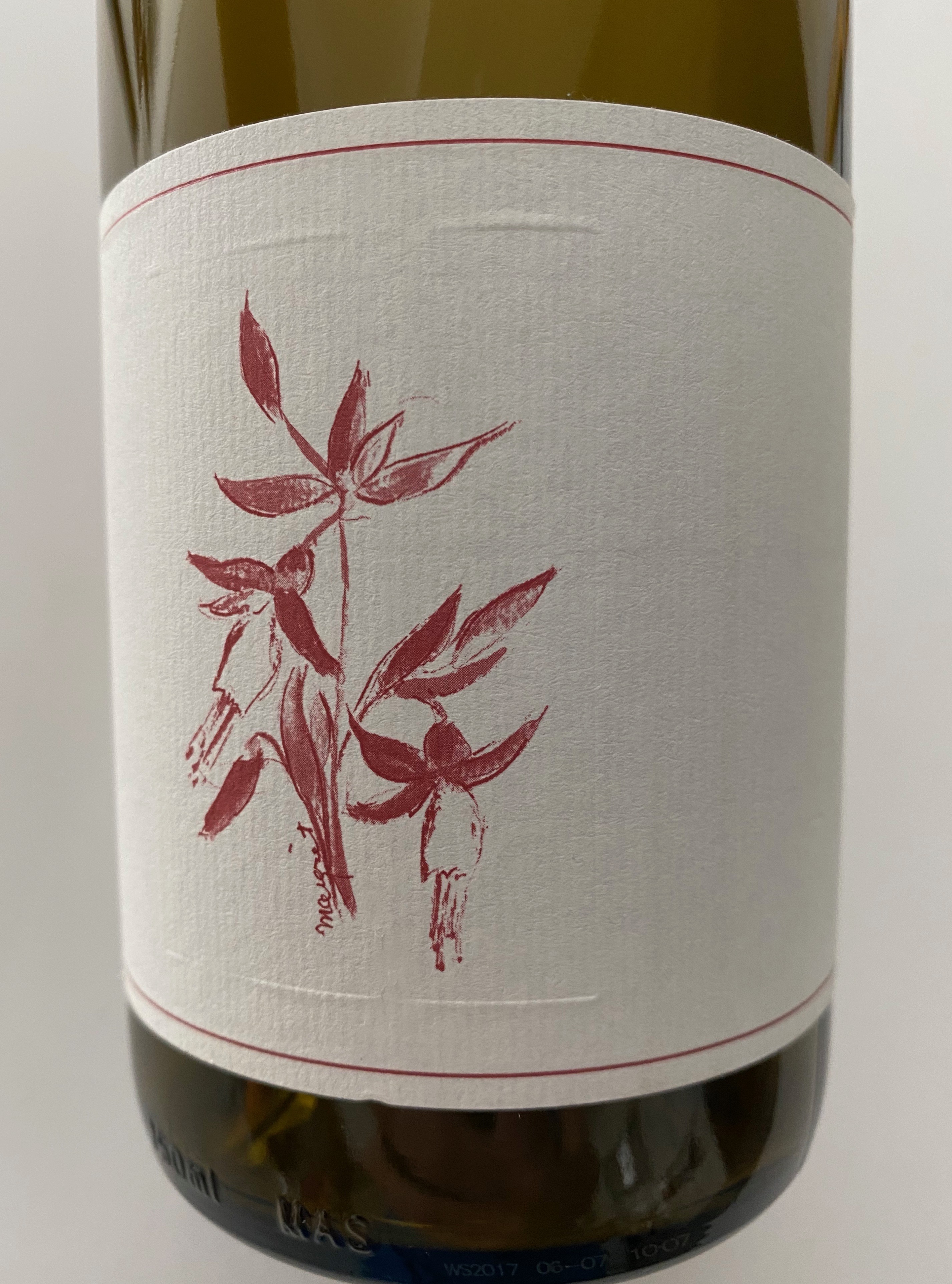
Today’s Wine: 2016 Que Syrah Vineyard

100% Syrah; 12.2% ABV

The Que Syrah Vineyard, planted in 1993 at an elevation of 850 feet, is the oldest planting of Syrah on the Sonoma Coast. This organically-farmed vineyard is composed of sedimentary schist, shale, and fractured mudstone and Arnot-Roberts became the steward of the site in 2013.

The 2016 Que Syrah is mostly opaque medium purple in color heading toward fuchsia at the rim. I decanted this for 1.5 hours and drank it over the following 2 hours. The nose showcases aromas of plum, blueberry, licorice, rocky soil, black olive, green beans, ground herbs, and smoke while screaming of whole cluster fermentation. Once on the palate, this displays notes of brambleberry, black plum, cola, wild blueberry, mild sweet tobacco, crushed rock, ground green pepper, olive, and exotic spice. The wine is medium- to full-bodied with medium acidity, elegant medium tannins, and a long finish. 4 barrels produced.

Price: $70. While not the greatest California Syrah I’ve had, I would be comfortable putting this up with the greatest “natural” California Syrahs I’ve had. While not for everyone, I would suggest the explorers and Syrah lovers looking for something new give this a shot. Pair this with a good burger, herb-roasted lamb, or braised beef.

From Tuscany to Sicily

Today’s Story: Pietro Caciorgna

Pietro Caciorgna is a very small family-owned and operated farm and winery based in Casole d ‘Elsa of the Siena province of Tuscany. Giovanni and Fulvia Caciorgna moved to this countryside location in 1953 with their seven children and set about farming cereals, corn, sunflower, and cattle fodder. Fortunately for us, the family also practiced viticulture for their own consumption which spawned into the wines for purchase today. Having grown their property to 20 hectares, the Caciorgna family farms 2.3 hectares of Sangiovese planted in 2001 on the hill of Osteria delle Macchie in Tuscany and branched into Sicily to produce their Etna Rosso. Pietro and his wife Elda manage the day-to-day of the estate, and their philosophy is to produce quality wines while caring for the environment. For instance, they use zero chemical fertilizers in the vineyards and only copper and sulfur when necessary to produce honest and terroir-driven wines. The family was driven to start a new venture in Sicily in 2006 by none other than Marco de Grazia (behind Tenuta delle Terre Nere) where they purchased a small 0.5 hectare vineyard of Nerello Mascalese before expanding with the purchase of another just over 1 hectare in size. Pietro also purchases some fruit from his neighbors and produces his wines in a small cellar located in Rovittello, yet the drive for quality and terroir-driven wines remains the same.

Today’s Wine: 2016 Guardoilvento Etna Rosso

100% Nerello Mascalese; 13.5% ABV

The 2016 Guardoilvento Etna Rosso is medium garnet in color with ruby hues and moderately opaque. I decanted this for about an hour which allowed the nose to showcase aromas of ripe red cherry, stemmy strawberry, dried raspberry, tomato paste, red rose, leather, dried earth, rocky mineral, and pine. Once in the mouth, this wine displays notes of baked cherry, raspberry, red licorice, red and purple florals, thyme, crushed rock, tobacco, volcanic earth, allspice, and earthy mineral. This is medium-bodied with vibrant medium (+) acidity, medium tannins, and a long finish.

Price: $30. This is an outstanding value and another example of why I love Etna Rosso so much. For those unfamiliar with Etna Rosso and a step deeper the variety Nerello Mascalese, I highly suggest giving them a try. Pair this with pork chops, veal parm, or tomato sauce pasta.

The Proof Is in the Berry

Describing Jayson Woodbridge requires a thesaurus. Passionate is a good word, along with driven, charismatic and hedonistic. You could add exacting, arrogant and volatile. Woodbridge is happy to paint a target on his chest and dare you to shoot if he’s trying to make a point. And he’s always trying to make a point.

Tim Fish, Wine Spectator

Today’s Story: Hundred Acre

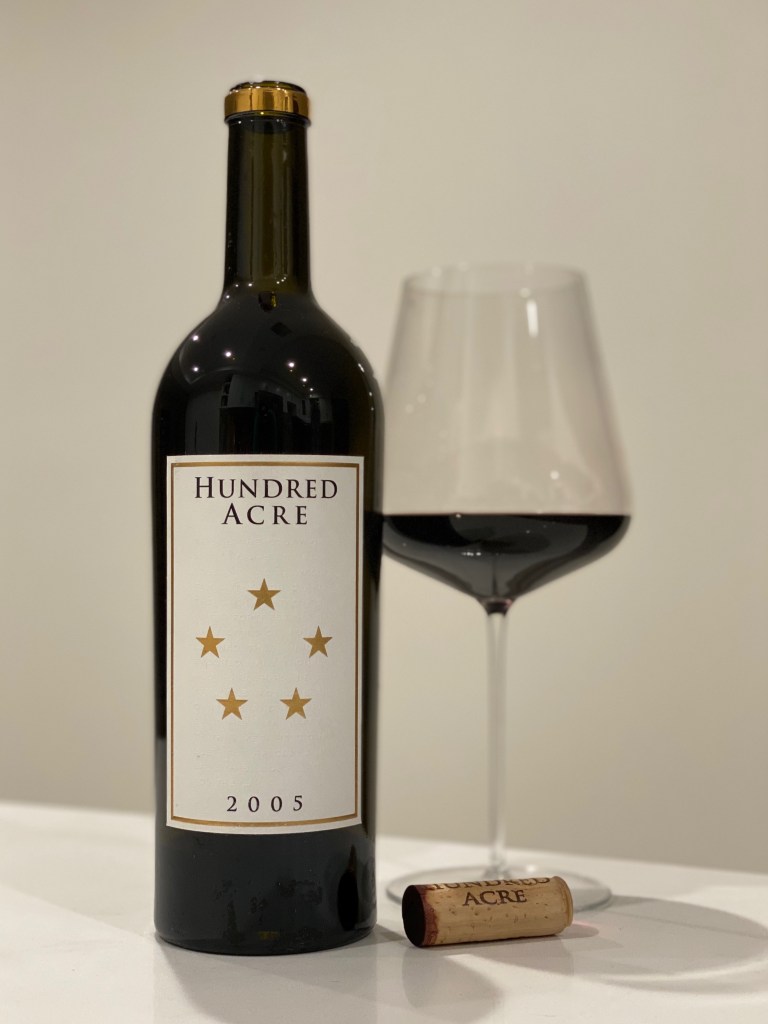
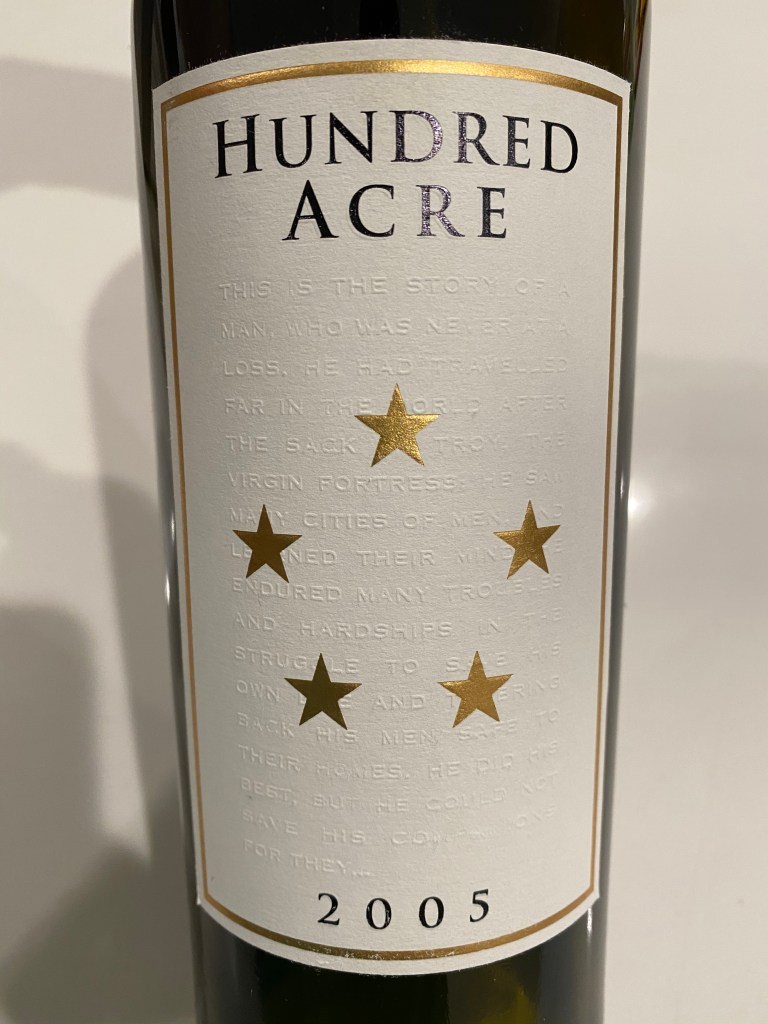
Hundred Acre was established with an inaugural 2000 vintage by owner and winemaker Jayson Woodbridge who endeavored (and to this day endeavors) to create a pinnacle Napa Valley Cabernet Sauvignon. A former investment banker characterized by some as flamboyant, visionary, genius, arrogant, volatile, and contrarian (source – one of many), Woodbridge named his winery for the Kayli Morgan Vineyard’s resemblance to the Hundred Acre Wood from Winnie the Pooh. Childhood cartoons aside, Woodbridge demands utmost precision in farming the vineyards and making his wines where nearly everything is accomplished by hand. The vines are pruned by hand and grapes sorted INDIVIDUALLY by hand under a rockstar team of Philippe Melka (consultant) and Jim Barbour (vineyard manager – think Checkerboard and Blankiet) but ultimately the buck stops with Woodbridge. To gain more insight into this producer of more than one dozen 100-point wines, you’ll simply need to sign up on the waiting list (which reportedly spans longer than 5 years) here.

Today’s Wine: 2005 Ancient Way Vineyard Summer’s Blocks Shiraz

100% Shiraz; 15.5% ABV

The 2005 Ancient Way Summer’s Blocks is opaque deep garnet in color with deep ruby/purple hues. I decanted this for 1.5 hours and drank it over the following 2 hours. The remarkably youthful nose showcases aromas of juicy black plum, black raspberry, baked wild strawberry, fig, coconut, black licorice, cigar box, cinnamon, nutmeg, and vanilla. I am surprised there isn’t any heat on the nose given the high ABV. Once in the mouth, this elegant wine displays notes of blackcurrant, jammy blackberry, black plum, bing cherry, anise, sweet tobacco, gingerbread, chocolate, black olive, and savory herbs. This is medium- to full-bodied and incredibly well-balanced with medium (+) acidity, velvety medium (-) tannins, and a long finish. What is truly impressive here is the utter silkiness of the mouthfeel; I don’t think any wine I’ve had compares.

Price: $150. Considering the Hundred Acre Cabs go for $500+ per bottle I was excited to try their Shiraz for this price and it is absolutely worth it. On paper, this doesn’t seem like my style of wine but I couldn’t help but nearly gulp this down. Pair this with balsamic glazed duck breast, roasted leg of lamb, or mature hard cheese.

Remarkable Quality (and Value) From Lebanon

Today’s Story: Chateau Musar

Chateau Musar was established in 1930 in the Bekaa Valley of Lebanon by Gaston Hochar when he was 20 years old. Inspired by his travels throughout Bordeaux and the 6,000-year-old winemaking history of Lebanon, Gaston set about producing wines with a non-interventionist philosophy and planted Cabernet Sauvignon, Carignan, and Cinsault for his reds in high-altitude gravel and limestone soils. During WWII, Major Ronald Barton of Château Langoa-Barton and Leoville-Barton was stationed in Lebanon and became friends with Gaston which strengthened the tie to Bordeaux and exists to this day. In 1959, Gaston’s eldest son Serge took over winemaking after studying at the University of Oenology in Bordeaux and started making wines “his own way.” Shortly thereafter, in 1961, Gaston’s second son Ronald joined the family business to handle the financial and marketing aspects. Serge was named Decanter Magazine’s first ‘Man of the Year’ in 1984 thanks to his steadfast production of quality wines during Lebanon’s Civil War (1975-1990) and the brand continued to build upon international fame for its elegance and quality. In 1994, Serge’s son Gaston joined the winery and was accompanied later in 2010 by his brother Marc. The two manage the estate together today with Gaston running the winery operations and Marc running the commercial aspects.

Chateau Musar became Lebanon’s first certified organic winery in 2006 and their wines spend a remarkable 7 years at the winery before release. The red wines are fermented in separate cement vats, racked 6 months after harvest, aged for 12 months in French Nevers oak barriques, and bottled without filtration at the end of the third year after harvest before the blend is aged an additional 3-4 years before release. The white wines also ferment in Nevers oak barrels for 6-9 months but are bottled after their first year and spend 6 years in the cellars before release.

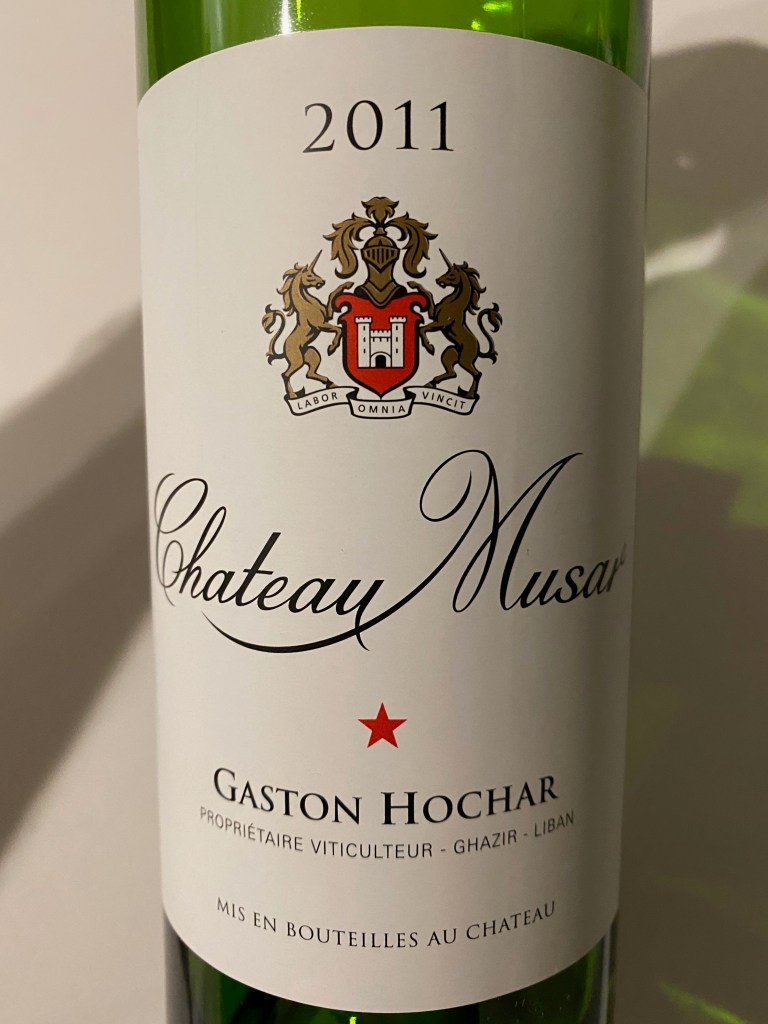
Today’s Wine: 2011 Chateau Musar Rouge

Roughly equal parts Cabernet Sauvignon, Carignan, and Cinsault; 13.5% ABV

The 2011 Musar is opaque deep ruby in color. I decanted this for about an hour and drank it over the following hour. The nose showcases aromas of blackberry, plum, black cherry, anise, cigar box, forest floor, slight barnyard, exotic spice, and faint smoke. Once in the mouth, this displays notes of redcurrant, juicy plum, dusty cherry, black raspberry, worn leather, tobacco, dried earth, crushed rock minerality, baking spice, and black pepper. The wine is medium- to full-bodied with medium (+) acidity, tight-knit and dusty medium tannins, and a medium (+) length finish.

Price: $50. Chateau Musar is always one of my favorite wines to buy in the $50 price-point because they offer incredible value and the opportunity to explore a wine region I wager most people haven’t experienced. These wines are also incredibly cellar-worthy. Pair this with peppercorn-seasoned steak, venison, or mature cheeses.

A Refreshing Sancerre

Today’s Story: Guilbaud Frères

Guilbaud Frères is a family-owned winery and wine merchant established in 1927 by Edouard and Marcel Guilbaud in the Muscadet Sèvre et Maine appellation of the Loire Valley. Edouard and Marcel came from a long family history of winegrowers and took their culminated knowledge of the land, quality producers, and attention to detail in creating the principles of their new venture. Now nearly a century later, a fourth generation guides the Guilbaud Frères brand and, in addition to sustainably farming around 60 hectares of their own vineyards, purchases and produces wine from carefully selected growers. To check out their broad range of AOP wines, you can visit the link here.

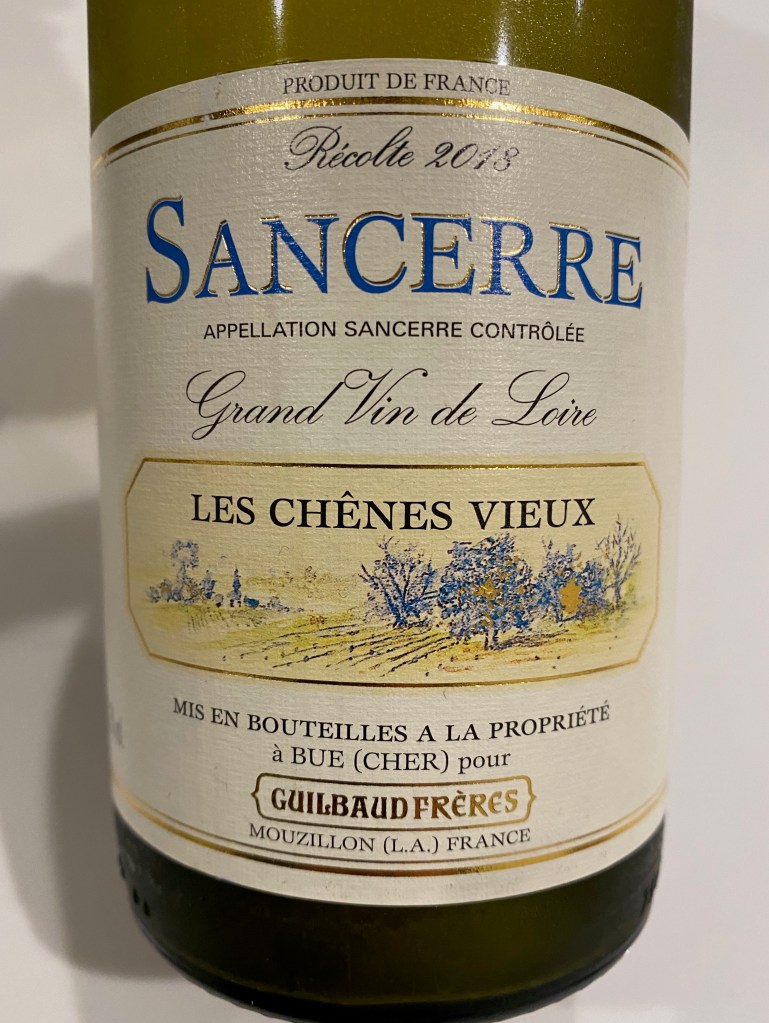
Today’s Wine: 2018 Sancerre Les Chênes Vieux

100% Sauvignon Blanc; 12.5% ABV

The 2018 Les Chênes Vieux is transparent medium straw/yellow in color. The nose is quite expressive with aromas of tangerine, honeydew melon, lemon peel, honeysuckle, grass, slight smoke, and chalky minerality. On the palate, the wine displays notes of white peach, grapefruit, green apple skins, chamomile tea, finely crushed rock, brioche, and bright mineral. This is medium-bodied with mouthwatering medium (+) acidity and a lush mouthfeel into a crisp and refreshing medium length finish.

Price: $30. This is a very nice Sancerre for the price and drinks with beautiful precision while making me excited for a warm day outside again. Pair this with sole, lobster, or roasted chicken.

Chianti Classico Built for the Long Haul

Today’s Story: Fontodi

Fontodi is a historical wine estate located in Panzano in the heart of Chianti Classico. Though vines have been cultivated there dating to the Roman Empire and vinification history at the estate traces its roots to at least the 16th century, the Manetti family who currently operates the estate acquired it more recently in 1968. Prior to purchasing Fontodi, the Manettis produced terracotta tiles for several centuries which, alongside winemaking, is another activity the Chianti region is famous for. The Manetti family poured a large amount of resources into the estate, which today consists of around 130 hectares with 70 hectares planted to vine and certified organic. The great quality of their tiles crossed over into the wines, which come from vineyards that are sustainably-farmed where the family eschews chemical use. Vinification takes place in Fontodi’s incredibly modern cellar built across multiple levels to make use of gravity flow and the wines age in French oak barrels.

Today’s Wine: 2015 Chianti Classico

100% Sangiovese; 15% ABV

The 2015 Chianti Classico is opaque deep ruby in color. I decanted this for 3 hours and drank it over the following hour. The nose showcases aromas of black cherry, blackcurrant, black plum, red licorice, rose and violet, tobacco, truffle, scorched earth, mocha, white pepper, and sage. There is also some heat which throws off the balance and needs time to integrate. Once in the mouth, the wine displays notes of blackberry, jammy blueberry, rich black plum, black cherry, cigar box, graphite, dried chalky soil, ground green herbs, black pepper, and espresso. This is medium- to full-bodied with medium (+) acidity, grippy medium (+) tannins, and a long finish dominated by black and blue fruit. Needs at minimum another 5 years, as it’s kind of a kick in the teeth right now, but the quality is certainly there.

Price: $42. A very solid QPR with this one, but there are other Chianti Classicos that are cheaper, more approachable now, offer similar complexity, AND have the structure to go the distance like this bottle. But don’t get me wrong, this is certainly worth a try if it’s in your price range and you have the patience to lay it down. Pair this with lasagna, chicken parm, or pizza.

Perfectly Aged Barbaresco

Today’s Story: Cav. L. Brero & C.

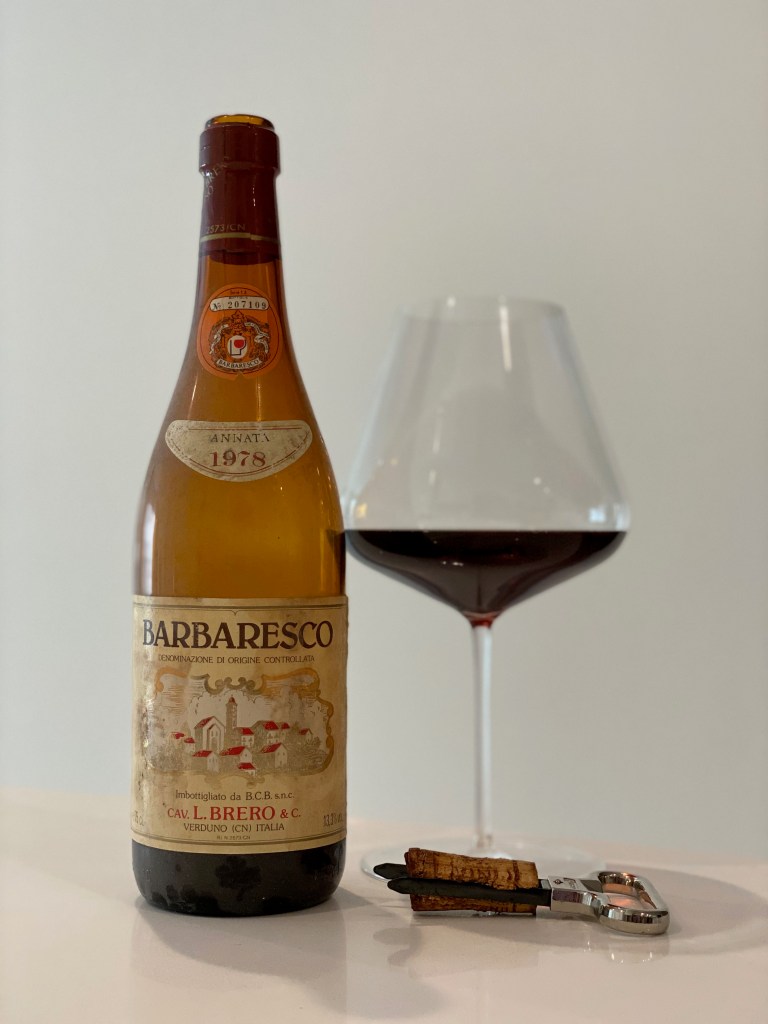
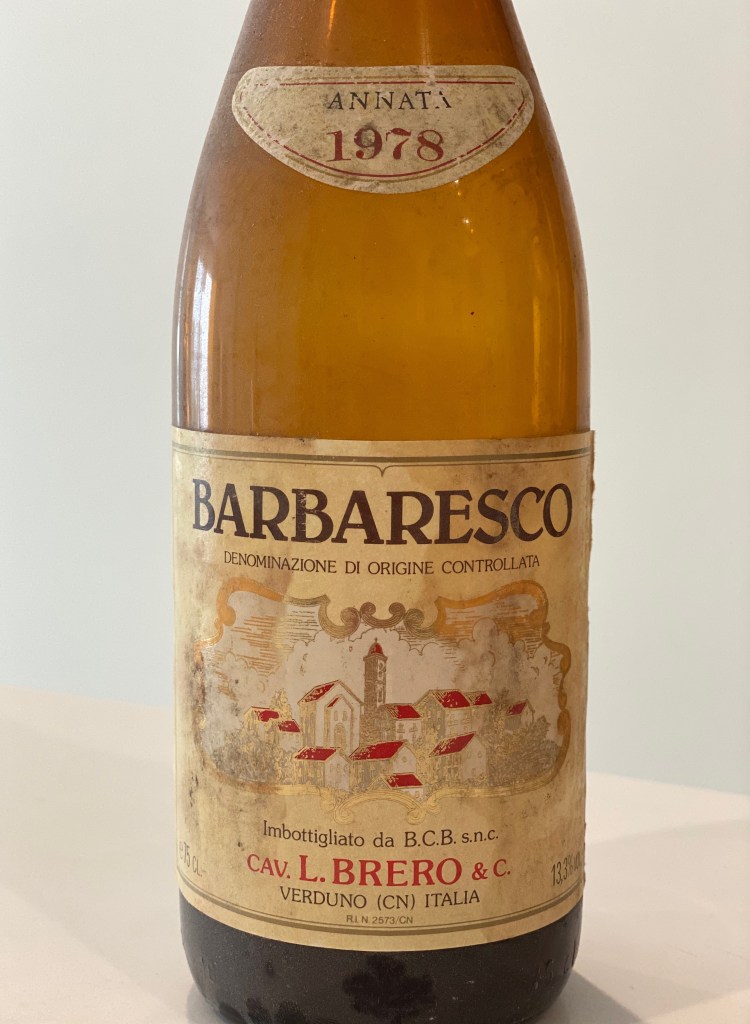
I could not, for the life of me, find any information about Brero. I could, however, find accounts of others enjoying their wines; but no family/winery history or if they are still producing wine (I would put my money on “no”). If you can tell me anything about Brero, please do! If not, enjoy the tasting notes of their 1978 Barbaresco below.

Today’s Wine: 1978 Barbaresco

100% Nebbiolo; 13.3% ABV

The 1978 Barbaresco is moderately transparent and pale garnet in color heading toward pale tawny. The nose is dominated by tertiary notes like forest floor, earthy mushroom, damp cellar, and tar but after a little over an hour in the decanter blossoms to showcase aromas of delicate dried red rose, cherry, dried raspberry, a pinch of cinnamon, black tea, and tobacco. On the palate, which is vibrantly alive, the wine displays sweet red cherry, dried raspberry, savory green herbs, red and purple florals, tobacco, forest floor, truffle, stemmy underbrush, and white peppery spice. This is medium-bodied with still lively medium (+) acidity, integrated but dusty medium (-) tannins, and a medium length finish. There is still remarkable structure in this wine but I would drink it now.

Price: I paid $80, who knows what it’s worth! This was an immaculate bottle and provided a very fun drinking experience. Pair this with veal, pheasant, or filet mignon with truffles.

Remarkable Quality From Barbaresco That Won’t Break the Bank

Today’s Story: Produttori del Barbaresco

Produttori del Barbaresco was established in 1958 when, during widespread poverty of the 1950s, a priest in the village of Barbaresco gathered 19 small Nebbiolo growers to pool their resources/fruit and produce wine together to survive. For the first three vintages, the group made their wine in the church basement until they built a winery across the town square where Produttori del Barbaresco is still located. Today, the Produttori consists of 51 members and controls over 100 hectares of vineyards planted entirely to Nebbiolo to craft only Barbaresco D.O.C.G. and a more approachable Nebbiolo Langhe. Though each family is in complete control of their land, when it is time to come together in the cellar the wines are made using traditional methods including 18-21 day primary fermentation and aging in botti for up to three years. In exceptional vintages, the Produttori produces 9 single-vineyard Barbaresco wines from the remarkable Asili, Rabajà, Pora, Montestefano, Ovello, Pajè, Montefico, Muncagota, and Rio Sordo crus. The cooperative’s total annual output is roughly 45,000 cases of which 50% are Barbaresco, 30% are single-cru, and 20% are Nebbiolo Langhe.

Produttori del Barbaresco vineyards range from 600-1,300 feet above sea level on steep hills and consist largely of clay and limestone marl with veins of sand. The land varies greatly due not only to its size and varying microclimates, but also in terms of various crus such as how Ovello, Montefico, and Montestefano having higher clay content. The distinct personalities of the fruit from each cru blend together into the final wine to beautifully marry some of Barbaresco’s greatest vineyards in an unusual and honest representation of the terroir. To learn more about the individual crus and browse a gallery of the vineyards, check out the Produttori website here.

Today’s Wine: 2016 Barbaresco

100% Nebbiolo; 14.5% ABV

The 2016 Barbaresco is deep garnet in color and slightly transparent. I decanted this for 3.5 hours and drank it over the following 2. The nose showcases aromas of black cherry, dried raspberry, blood orange, licorice, rose petal, violet, dry tobacco, loamy earth, damp cellar, tar, hay, dried herbs, and cedar. There is a touch of heat as well. Once on the palate, the wine displays notes of black cherry, raspberry, cranberry, red rose, dried leather, clay, ground peppercorn, pipe tobacco, asphalt, and smoke. This is medium-bodied with medium (+) acidity, grippy medium (+) tannins, and a medium (+) length finish. Certainly approachable with a good deal of decanting, but this needs another 5-7 years in bottle.

Price: $40. Crazy, crazy good value and a wine I cannot count how many times I recommended to friends and family. Often overshadowed by Barolo (though that seems to be changing) Barbaresco is another wine made from Nebbiolo you need to try and this is one of the great producers. Pair this with wild duck, veal chop, or filet mignon.

Highly Allocated Rhône Syrah

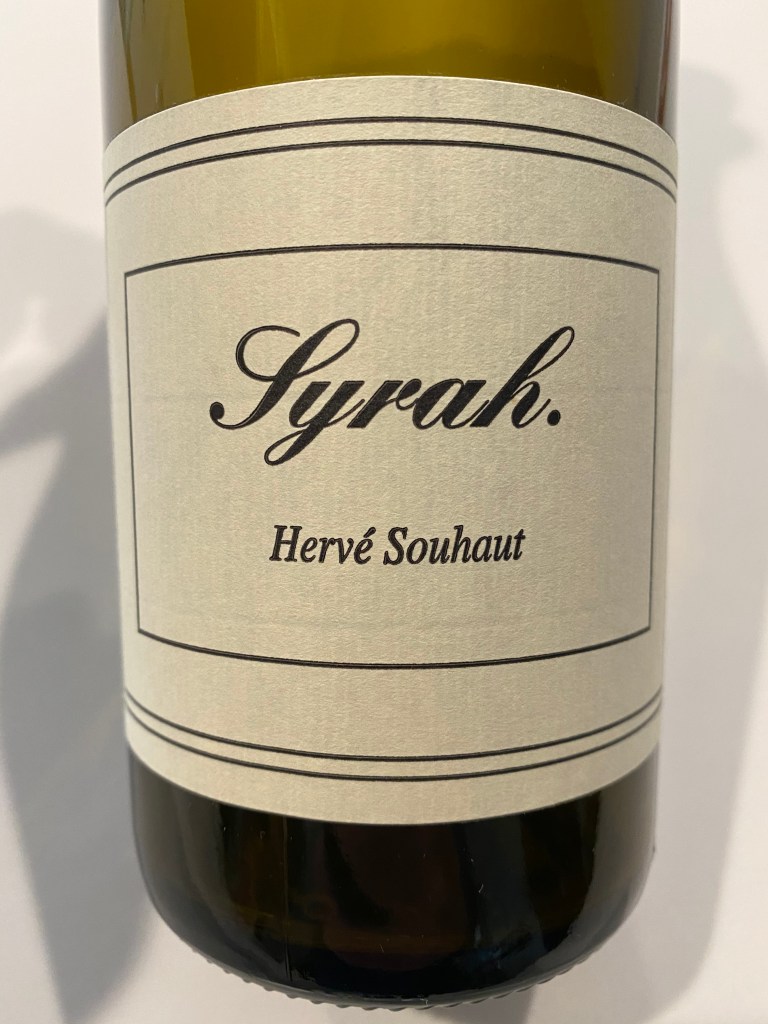
Today’s Story: Domaine Romaneaux-Destezet (Hervé Souhaut)

Domaine Romaneaux-Destezet is a small wine estate established by Hervé Souhaut in 1993 in the Saint-Joseph AOC of northern Rhône. Souhaut farms roughly 5 hectares of vineyards with vines aged 50-100 years old and crafts his small batch wines in the cellars of his in-laws’ converted hunting lodge. In making his wine, Souhaut uses hand-harvested organic whole grape bunches and semi-carbonic maceration in an effort to achieve wines that are elegant with refined tannins and approachable in their youth. The wine ferments in wooden and concrete tanks using only natural yeasts before being aged on fine lees in used oak barrels for 8-12 months. Souhaut adds only a minimal amount of SO2 at bottling and his wines are unfiltered. With production totaling less than 4,000 cases annually and wines highly allocated, Souhaut produces Vin de Pays wines (largely Gamay, Roussanne, and Viognier) under the Domaine Romaneaux-Destezet name as well as the AOC wines under his own name.

Today’s Wine: 2017 Syrah

100% Syrah; 12.5% ABV

The 2017 Syrah is opaque medium to deep purple in color. I decanted this for 2 hours and drank it over the following 4 hours. The nose is complex and evolves over time to showcase aromas of blueberry, black plum, olive, violet, sweet tobacco, loamy earth, smoke, clove, chocolate, and light oak. On the palate, I get notes of tart blueberry, sweet and juicy plum, black cherry, purple and blue florals, black olive, scorched rocky earth, tobacco, grilled meat, and green herbs. This is full-bodied with medium (+) acidity, elegant medium tannins, and a long finish filled with jammy black fruit.

Price: $39. Excellent value for this Rhône Syrah made in a more “natural” style. Though the domaine’s production is limited and the wines highly allocated, this is worth seeking out. Pair this with lamb, herb-roasted pork, or venison.