Three Rising Stars in Barolo

Today’s Story: Trediberri

Trediberri is a relatively new wine estate established by father and son Federico and Nicola Oberto alongside their friend Vladimiro Rambaldi in 2007. That year, the trio purchased 5 hectares of vineyards in the hamlet of Berri in the westernmost area of La Morra in Piedmont, Italy. Federico has wine in his blood, having been cellar master at Renato Ratti from 1970 to 2005. His son Nicola, on the other hand, left a career in finance to return home to La Morra and pursue his true passion of wine, having wished he studied winemaking during college instead. Last but not least, Vladimiro is a banker by trade but he shares a passion for wine and La Morra while guiding the financial interests of Trediberri. Together the three are Trediberri, which translates to “the three from Berri.”

In addition to their original 5 hectares of vines, Trediberri owns and farms 2.8 hectares between Rocche dell’Annunziata and Torriglione and they rent 3 hectares of Dolcetto and Nebbiolo in Vicoforte. The portfolio is largely focused on Barolo (Nebbiolo), but they do produce Barbera and Sauvignon Blanc on top of the rented Dolcetto and Nebbiolo (for Langhe Nebbiolo). All of the Trediberri vineyards are certified organic, and the winemaking philosophy focuses on finding balance and a true, transparent sense of place. To this end, winemaking is more traditional in style and the team prefers vinifying in cement tanks with long maceration, aging in large oak botti, and minimal SO2 additions. To learn more, particularly about each vineyard site, check out the Trediberri website here.

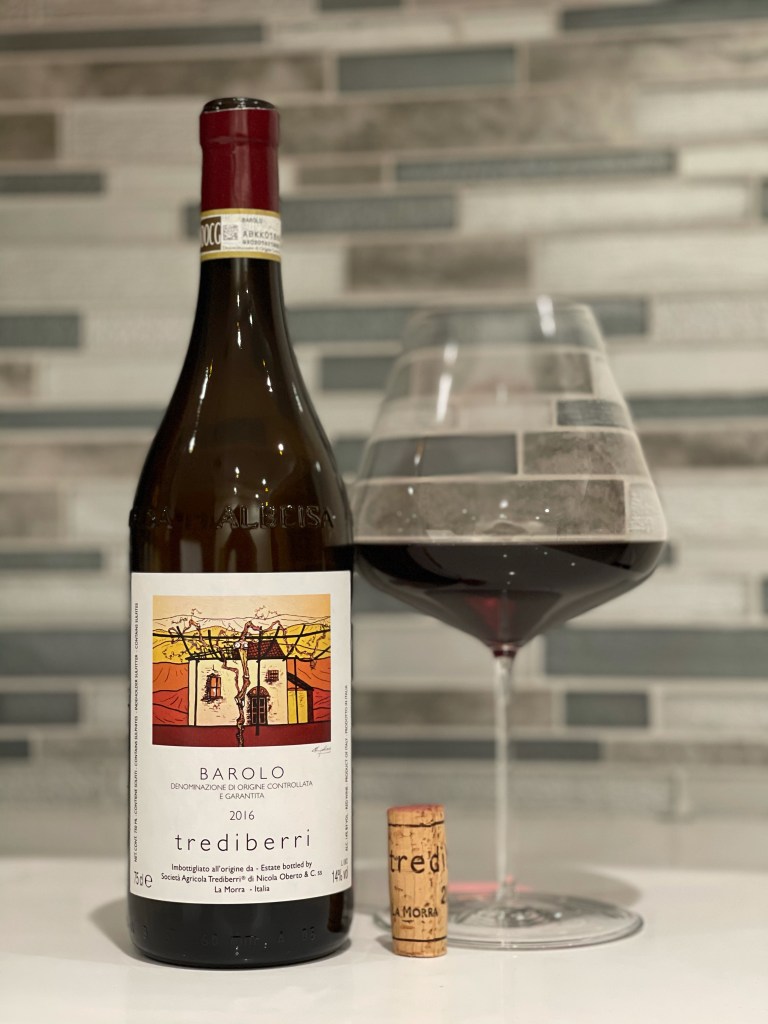
Today’s Wine: 2016 Barolo

100% Nebbiolo; 14% ABV

The 2016 Barolo is deep garnet in color and slightly translucent. I know this is major infanticide, but I bought an extra bottle to review at this very young age while the remaining ones rest for 5-10+ years. This justifiably required a lengthy decanting, totaling 6-7 hours for me and I drank the bottle over the following 3 hours or so. Though certainly tight, the nose emits aromas of tart cherry, black raspberry, cranberry, rose petal, dried earth, tar, savory green herbs, and oak. The palate took all night to open up, eventually revealing notes of sour cherry, strawberry, raspberry, licorice, violet and rose, pipe tobacco, charred earth, rocky mineral, and a hint of oak. This is medium- to full-bodied with high acidity, high tannins, and a long finish. A classic Barolo that is both elegant and powerful with beautiful concentration and length.

Price: $50. This Barolo has an outstanding QPR and the Trediberri name lives up to all the hype I’ve read about them. While barely getting into an approachable window with a lot of air, this is a well-structured and gorgeous wine built for the cellar. You will thank yourself down the line if you stock up today.

Beauty on Atlas Peak

Today’s Story: Acumen Wines

Acumen Wines is a boutique estate established by entrepreneur Eric Yuan on Atlas Peak in Napa Valley in 2012. Alongside founding winemaker Denis Malbec and acclaimed viticulturist Garrett Buckland, Eric purchased the 32 acre Attelas Vineyard (planted in 1992) high up on Atlas Peak. After the estate’s inaugural vintage in 2013, Acumen expanded in 2014 by purchasing the 84 acre Edcora Vineyard which sits 350 feet higher in elevation next to the famed Stagecoach Vineyard. Totaling 116 acres of certified organic vineyards, Acumen today crafts small amounts of Cabernet Sauvignon and Sauvignon Blanc modeled after the great, classic wines of the 1960s and 1970s. (They do have small blocks of Merlot, Malbec, Cabernet Franc, and Petit Verdot for blending as well.) Following the passing of the great Denis Malbec all too soon, Phillip Titus came in as winemaker and continues to make precise, well-structured wines in a classic style to showcase the brutal and rugged terroir of Atlas Peak.

Acumen produces two distinct “ranges” of wine, the PEAK bottlings and the Mountainside bottlings. The PEAK wines are produced in limited quantities from the best vineyard blocks and best barrels, offering a Sauvignon Blanc, Cabernet Sauvignon, and two single vineyard Cabernet Sauvignons (Attelas and Edcora). The Mountainside wines, on the other hand, are meant to open the estate to a wider audience of wine lovers and, at lower prices, include a Sauvignon Blanc, Red Blend, and Cabernet Sauvignon. To learn more about these wines or the estate itself, check out their website here.

Today’s Wine: 2013 PEAK Attelas Vineyard Cabernet Sauvignon

84% Cabernet Sauvignon, 11% Merlot, 2% Petit Verdot, 2% Cabernet Franc, 1% Malbec; 13.3% ABV

The 2013 Attelas Vineyard Cabernet Sauvignon is opaque deep ruby in color with nearly black hues in the bowl of the glass. I decanted this for about 3 hours, as it is incredibly youthful and should be gorgeous in 5-7 more years. The nose opens with aromas of blackberry, blueberry, plum, violet, anise, tobacco, dried earth, graphite, charred green herbs, mild baking spice, and a hint of oak. Meanwhile the palate showcases notes of blackcurrant, blueberry, black cherry, licorice, cigar box, scorched earth, gravel, coffee, chocolate, and a hint of ground pepper. This is medium- to full-bodied with medium (+) acidity, firm medium (+) tannins, and a long finish. 360 cases produced.

Price: $150 (I paid $70 on sale). While this is a fantastic wine with nothing but potential to get better, the $150 level is tough for me to call it a great value. The winery was even selling this for $225 not too long ago before they sold out… That being said, I would certainly pay $100-120 for this wine and the $70 I got it for is an absolute steal. Tremendous effort and another gorgeous wine from the late, great Denis Malbec.

Perfectly Balanced Châteauneuf-du-Pape and a Bizarre Backstory

Today’s Story: Xavier Vignon

Xavier Vignon is a well-known wine consultant and négociant, specializing in the wines of the Rhône Valley and in particular Châteauneuf-du-Pape. The son of an agriculturalist and stone mason, Xavier grew up with the mentality that hard work and determination is necessary in everything one does. With a mind for science and music, Xavier joined a paleontology club that took him to Reims, Champagne and he just so happened to launch a passion for wine while there. While he waited for admission to study France’s National Diploma of Oenology, Xavier worked harvests in Champagne for multiple houses and built up experiences with wine along the way. When he was finally admitted, he took a spot in Montpellier and received a dual degree in oenology and agronomy. Before settling down in the Rhône Valley, however, Xavier traveled to and worked in Alsace, Bordeaux, Napa, and Australia to perfect his craft. In 1996, Xavier started working as a wine consultant for a few dozen estates and he was centered in the region of Vaucluse.

Around the early 2000s, Xavier started putting some focus on a brand of his own through a négociant model. He began bottling his wines under Xavier Vins, and this small production endeavor was largely for himself and friends in an anonymous fashion. Xavier Vins released its first Châteauneuf-du-Pape in 2007, and soon fell onto the radar of Robert Parker. Parker praised Xavier’s wines, giving all scores over 90 points, and in 2012 Xavier left the Oenological Institute of Champagne to devote more time on his own wines. Though Xavier continues to consult for a number of wineries to this day, his namesake wines are his bread and butter and he crafts them at Château Husson since he does not have his own domaine.

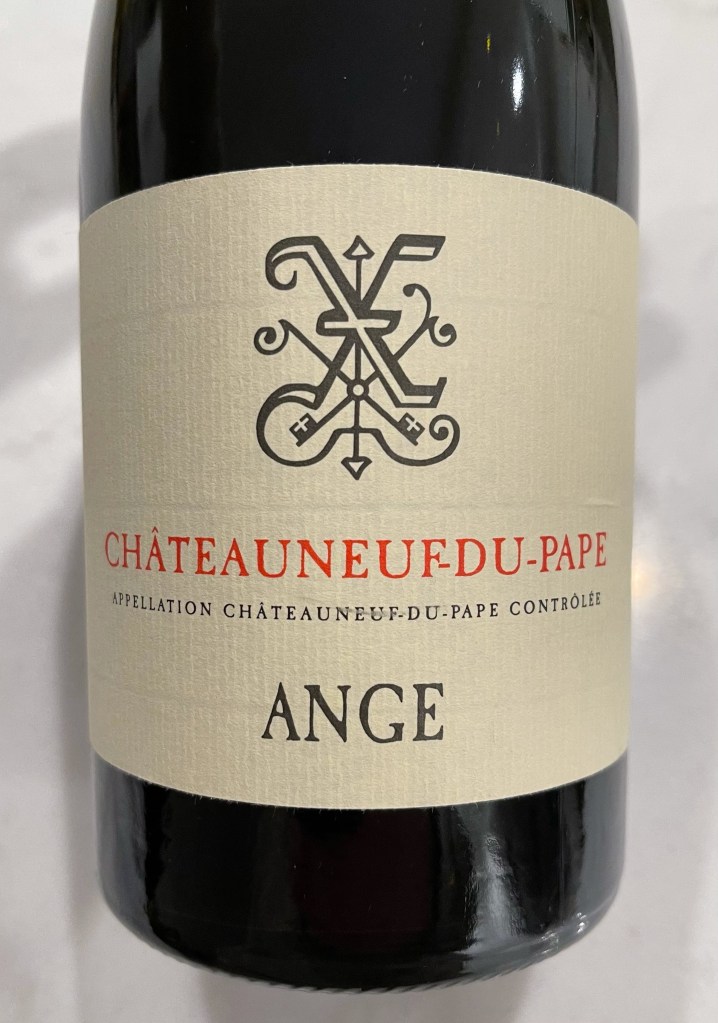
Today’s Wine: 2001 Châteauneuf-du-Pape Cuvée Ange

Unknown blend of 13 AOP Châteauneuf-du-Pape varieties; 14.5% ABV

The 2001 Cuvée Ange is a very special wine in the Xavier Vignon portfolio, as it is named after his son Ange who was born in the year 2001. What’s more, this is also a highly unusual wine in that Xavier sought out some of the best 2001 Châteauneuf-du-Pape wines from his partner winemakers over the course of nearly a decade and he did not blend them until 2010. Not stopping there, the blended wine went into barrels for further aging, and these barrels were submerged in tanks of wine to preserve the freshness of fruit. This wine was not bottled until 2019 (!!) to coincide with Ange’s 18th birthday, and the result is an unbelievably balanced, complex, and deep beauty of a wine.

In the glass, the 2001 Cuvée Ange is deep garnet in color and almost opaque. I decanted this for 3 hours, but it really started showing its best after about 4.5 hours as I was drinking it. The gorgeous, complex nose showcases aromas of blackberry, plum, black cherry, anise, violet, cigar box, cured game, truffle, forest floor, crushed rock, thyme, clove, and bright mineral. The palate is equally complex, displaying notes of black plum, cassis, inky blackberry, sweet tobacco, smoked red meat, freshly tilled soil, smoke, coffee grounds, cracked black pepper, dark chocolate, baking spice, and stony minerality. Still incredibly youthful and beautifully balanced, this is full-bodied with medium (+) acidity, medium (+) velvety tannins, and a medium (+) length finish.

Price: $90. I think this is very appropriately priced, as it is beautifully deep, complex, and full of life. It is also an incredibly unique and fun wine that honestly beat any expectation I had set for it.

Traditional 2015 Brunello at a Friendly Price

Today’s Story: Mastrojanni

Mastrojanni is an Italian wine estate located in Castelnuovo dell’Abate of the Montalcino region in the province of Siena. It was established by lawyer Gabriele Mastrojanni in 1975 when he purchased the San Pio and Loreto estates and planted his first vines. Though little viticultural activity existed in this area when Gabriele purchased the estates, he viewed the soil as perfect for Brunello di Montalcino and planted his entire vineyard to Sangiovese with a goal of crafting wines after the great Biondi-Santi. The goal of creating exceptional Brunello di Montalcino has not changed over the years, but the estate grew with the times and now consists of 240 acres of which 80 are planted to vine (42 acres of Sangiovese for Brunello). For their other bottlings, Mastrojanni also grows Cabernet Sauvignon, Ciliegiolo, Moscato, Malvasia di Candia, and Sauvignon Blanc.

Since the very beginning, tradition is the name of the game at Mastrojanni. Beginning in the vineyards of gravel, clay, limestone, and sandstone which cause the vines to struggle, low yields coupled with a more hands-off approach create fruit full of character and quality. At the winery and in the cellars themselves, traditional and minimally invasive winemaking find themselves at home as well, with the winemaking team favoring finesse and a sense of place over heavy-handedness. Though the estate sold to the Illy family (yes the coffee family) in 2008, the traditions, mentality, and passion of Gabriele live on thanks to Franceso Illy’s love of the wines before Gabriele’s passing. Improvements continue to be made at Mastrojanni, with the estate now certified organic while instituting higher quality controls and improving winemaking equipment.

To learn more about Mastrojanni or read through their portfolio of wines, check out the website here.

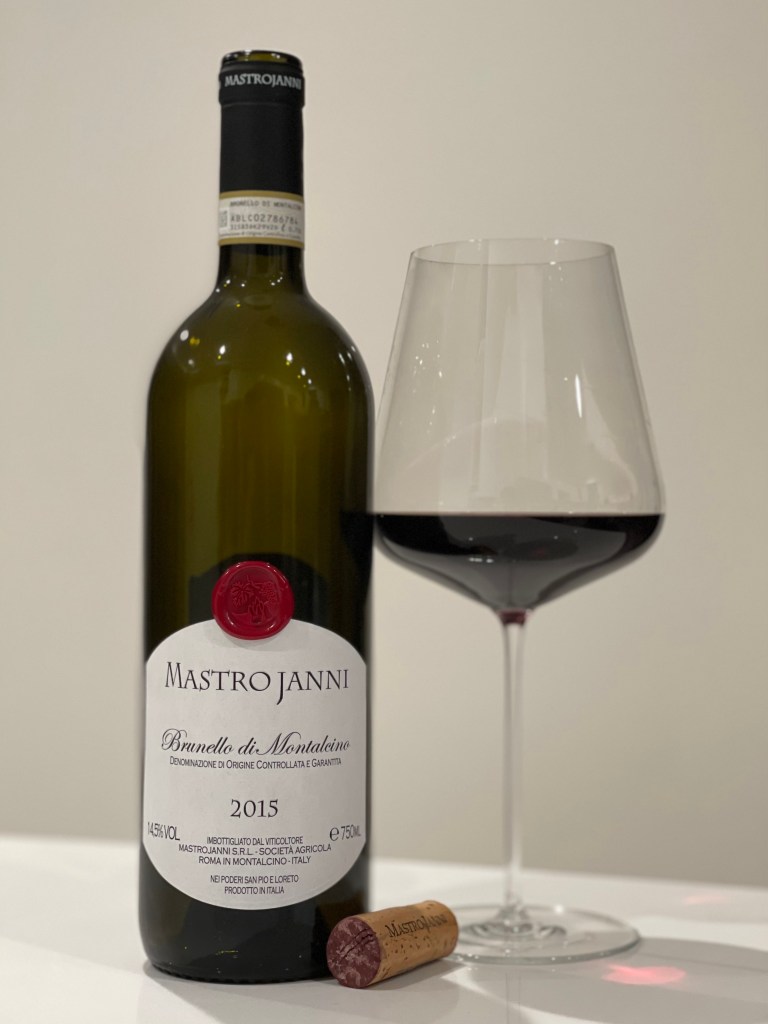
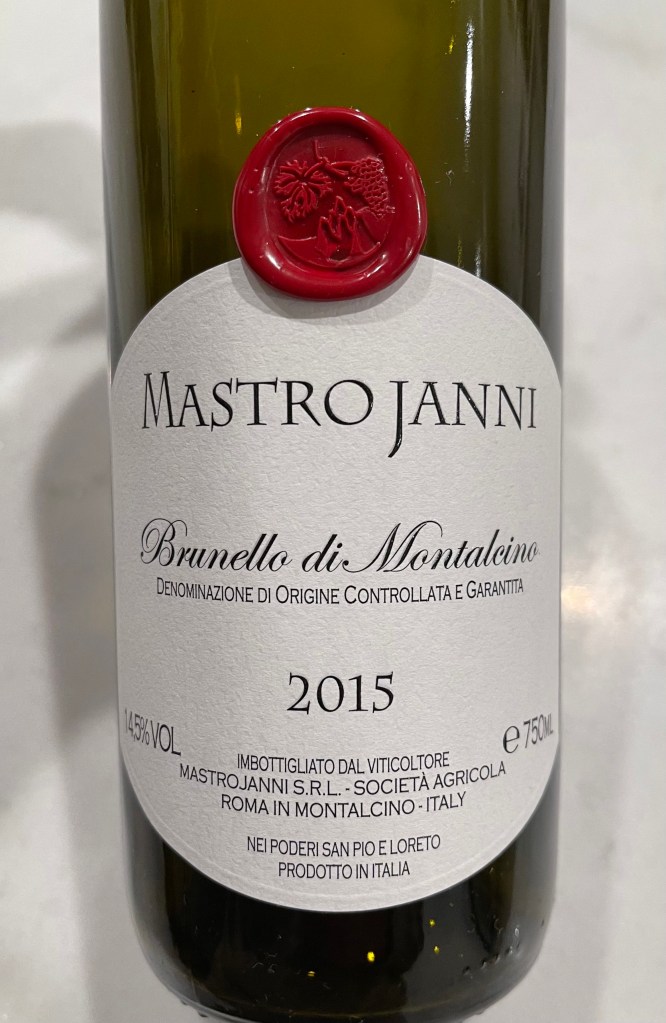
Today’s Wine: 2015 Brunello di Montalcino

100% Sangiovese; 14.5% ABV

The 2015 Brunello di Montalcino is somewhat translucent and medium garnet in color. I decanted this bottle for about 2 hours and drank it over the following 2 hours or so. Once this opens up, the nose showcases aromas of cherry, black raspberry, redcurrant, red rose, slight barnyard, tobacco, sage, loamy earth, and mild oak. The palate displays similarly traditional notes of bing cherry, dried strawberry, plum, licorice, red and purple florals, worn leather, scorched earth, chopped green herbs, black tea leaf, light baking spice, and cocoa. This is full-bodied with medium (+) acidity, high but fine-grained tannins, and a long finish. While certainly delicious and approachable now, I’d give this another 3-5 years and drink it over the following decade.

Price: $60 average (I paid $50). I think this offers good QPR, drinking similarly to some of the $80-90 Brunellos I’ve enjoyed over the years. If you can find this for $50 like I did, don’t hesitate to give it a try or cellar it for enjoyment down the road.

Over-Extracted Red Blend From Alexander Valley

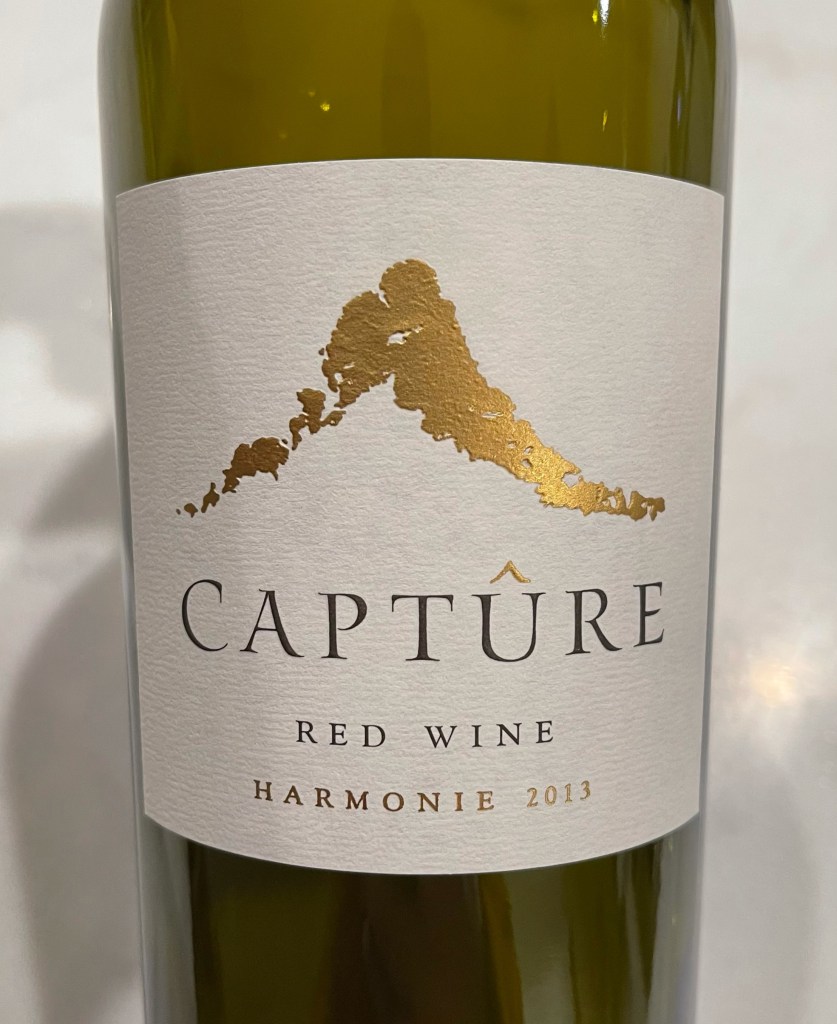
Today’s Story: Captûre Wines

Captûre Wines is a boutique estate established in 2008 in what is now the Pine Mountain-Cloverdale Peak AVA within Sonoma County. Though now part of Jackson Family Wines, Captûre was established by Carol and Michael Foster with founding winemakers May-Britt and husband Denis Malbec (formerly of Château Latour). With a goal of marrying rugged, mountainous California frontier with French winemaking, the team settled upon Pine Mountain with their estate vineyard between 1,600 and 2,500 feet elevation in the Mayacamas Mountains. The brutal landscape which makes up the Tin Cross Vineyard consists of volcanic gravelly soil, originally planted to vine by homesteaders in 1855 and today consisting largely of Cabernet Sauvignon with small blocks of Merlot and Sauvignon Blanc. Following sustainable and organic farming practices, Captûre receives only about 2 tons of fruit per acre due to the harsh geography of their estate, in turn which produces highly concentrated and intense mountain fruit. Since 2015, winemaker Sam Teakle took over and he crafts wines from the Pine Mountain-Cloverdale Peak, Alexander Valley, Sonoma County, and Lake County appellations.

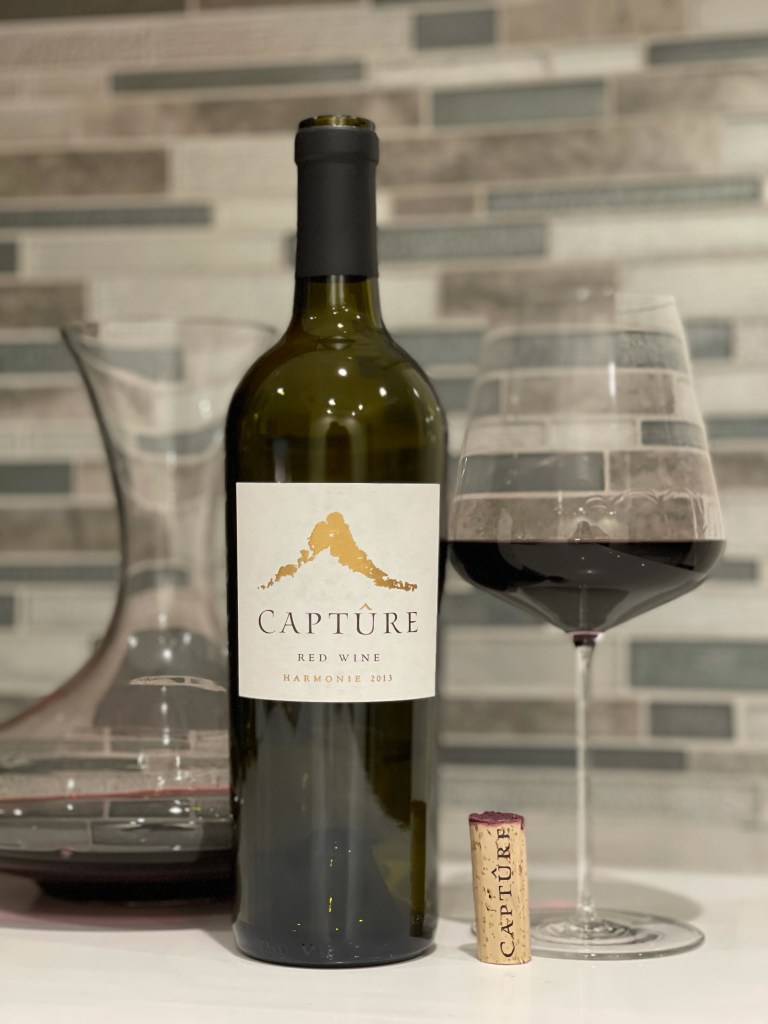
Today’s Wine: 2013 Harmonie

85% Cabernet Franc, 9% Merlot, 6% Cabernet Sauvignon; 15% ABV

The 2013 Harmonie is opaque deep purple/ruby in color. I decanted this for 2 hours and drank it over the following 3 hours or so, and unfortunately this got worse with air versus the better I was hoping for. The nose is highly concentrated with aromas of blackberry, plum, blueberry, crème de cassis, licorice, cigar box, clay, baking spice, bell pepper, and oak. There’s some heat there too from the high ABV. Moving onto the palate, I get notes of black plum, blackberry compote, wet tobacco, coffee, chocolate, blood, sopping wet herbs, and ground black pepper. This thing drinks like a cocktail wine. It is full-bodied with medium (+) acidity, high tannins, and a medium (+) length finish that is somewhat repulsive. Balance seems to be out of whack here too. 180 cases produced.

Price: $60 (I paid $40 on sale). I really wanted to like this wine, which was made by the late Denis Malbec (whose wines at Blankiet I love), but I do not. It is filled to the brim with over-extracted fruit and what I speculate may be a heavy-handed winemaking mandate. You should lose no sleep over passing on this wine.

Breathtaking Precision and Quality in a Bourgogne Blanc

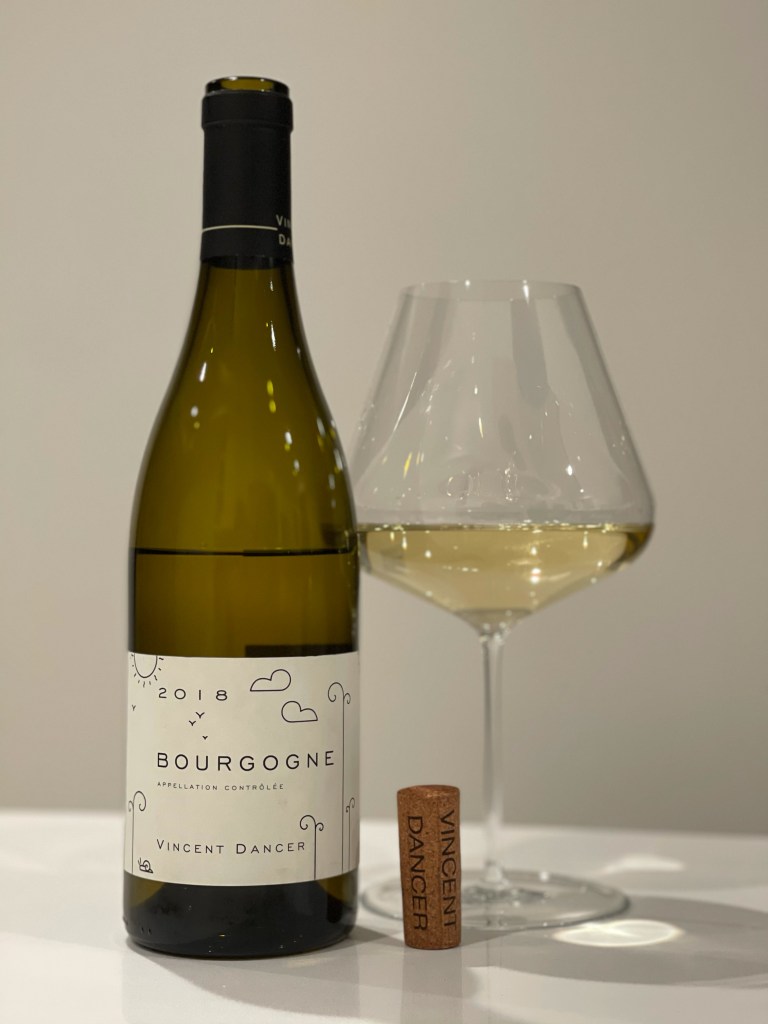
Today’s Story: Domaine Vincent Dancer

Domaine Vincent Dancer is a small, rising star estate located in the village of Chassagne-Montrachet in Burgundy, France. Established by Vincent Dancer, the domaine consists of about 5-6 hectares under vine and was the first certified organic producer in Chassagne-Montrachet. Vincent is originally from Alsace, and though he studied engineering in school he picked up a passion for wine along the way. After some urging from his father, Vincent spent time in Burgundy to learn viticulture and oenology before taking over small acreage of family vines in 1996. Known as a quiet and humble winemaker, Vincent quietly expanded his vineyards and today has holdings in Chassagne-Montrachet, Meursault, Puligny-Montrachet, Pommard, and Beaune. A staunch proponent of hands-off winemaking, Vincent hand-harvests his fruit from fairly low yielding vineyards and refrains from adding any commercial yeasts, enzymes, or acid adjustments during natural fermentation. He also resists bâtonnage, the practice of stirring the lees which is practiced by many producers in Chassagne-Montrachet to add flavors, aromas, and texture to the wine. The wines are bottled unfined and unfiltered, with common descriptors of “tense,” “precise,” and “graceful.” Total production is I believe still under 2,000 cases annually, and not a lot of Vincent’s wines make their way to the US.

Today’s Wine: 2018 Bourgogne Blanc

100% Chardonnay; 12.5% ABV

The 2018 Bourgogne Blanc is a beautiful, transparent, pale gold in color turning water white near the edges of the glass. Now before the infanticide police come after me, I do have more of this which I am already laying down for at least 3-5 years and I did decant this wine for 2 hours. My inability to have patience is both reprimandable but rewarded. The nose steals the show at this stage, blossoming into aromas of peach, juicy pear, charred pineapple, cotton candy, freshly picked white florals, flint rock, gunpowder, smoke, toasted hazelnut, and lees. While the palate is a bit tougher to pull apart (I attribute it to youth), I can still decipher beautiful notes of golden apple, white peach, grapefruit zest, tropical citrus, limestone, freshly struck flint, dill, smoke, and dried vanilla. This is medium- to full-bodied with gorgeous high acidity, a fully-rounded and opulent mouthfeel, and a long, long finish that lasts for over a minute.

Price: $49 (about $10 cheaper in France). This is one of the greatest values I’ve had all year, and I truly do not think it will remain this price for long. I’ve read a lot of hype around Vincent Dancer and I can confidently say after tasting this young bottle (not easy for me to find anything older and I spent enough time tracking down 2018s) that what I read is true. Do not pass up an opportunity to buy Dancer’s wines.

Biodynamic New Zealand Pinot Noir With an Old World Flair

Today’s Story: Quartz Reef Wines

Quartz Reef is a relatively small winery established in Bendigo in the Central Otago region of New Zealand. The winery is named for its vineyards being planted on the largest quartz deposit in New Zealand, with the vines planted in 1998 and their first Pinot Noir bottled in 2001. Quartz Reef is known for their Pinot Noir, Pinot Gris, and Methode Traditionnelle, however winemaker Rudi Bauer crafts small amounts of Chardonnay and Grüner Veltliner as well. In 2007, Quartz Reef started transitioning to biodynamic viticulture and today is one of only six New Zealand wineries certified biodynamic by Demeter. Rudi makes all his wines following traditional methods through minimal intervention in the cellar, attempting to showcase the fruit and terroir in the most natural way possible while marrying Old World and New World characteristics.

To learn more and view photos of the estate (and the winemaking puppies), visit the Quartz Reef website here.

Today’s Wine: 2017 Bendigo Estate Pinot Noir

100% Pinot Noir; 14% ABV

The 2017 Bendigo Estate Pinot Noir is pale to medium ruby in color and almost opaque. I let this blossom in the glass for about 30-45 minutes, with the incredibly Burgundian nose showcasing aromas of black cherry, plum, black raspberry, leather, smoked game meat, barnyard, forest floor, gravel, and light oak. The palate kicks off with a very similar fruit profile to the nose with black cherry, plum, and brambly strawberry before branching into notes of violet, tobacco, damp loamy soil, green peppercorn, black tea leaf, underbrush, baking spice (like allspice or clove), and oak. This is light- to medium-bodied with medium acidity, medium (-) and somewhat dusty tannins, and a medium (+) length finish.

Price: $40 average (I paid $30). Very strong value here, particularly if you can find it for around $30 like I did. This is my second time having this wine and it is as impressive as the first. While no doubt young and starting to enter its drinking window, this is both incredibly approachable and capable of going another 5-7 years. Great Old World experience with this wine and a beautiful representation of the terroir.

Fruity Châteauneuf-du-Pape Perfect for the Holiday Season

Today’s Story: Domaine du Vieux Télégraphe

Domaine du Vieux Télégraphe is a family-owned and operated wine estate located in the Châteauneuf-du-Pape AOC of France. Tracing back to 1891, Henri Brunier gifted several plots of land to his son Hippolyte which, at the time due to their high pebble content, were thought to be nearly useless for viticulture. Nonetheless, Hippolyte planted vines on the plateau of La Crau and began the winemaking endeavors of the Brunier family. When Hippolyte’s son Jules joined the family business, he extended the estate to 42 acres and gave it the name we know today of Vieux Télégraphe.

Following WWII, the estate was in desperate need of revival and fourth generation Henri quickly took up the baton. Henri grew the estate to 136 acres and then shifted focus toward creating a “signature style” for his wines and marketed them abroad. As the 1980s came around, control of the domaine fell to Henri’s sons Frédéric and Daniel who now farm 247 acres in Châteauneuf-du-Pape and an additional 49.5 acres of IGP Vaucluse and Ventoux AOC. They are not without extra family help, however, as sixth generation Nicolas and Edouard remain dedicated to the family business as well.

Vieux Télégraphe farms all of their vineyards adhering to sustainable practices, though in reality they practice organic viticulture. From the winter months with pruning, spreading organic manure and compost, and plowing to the spring and summer months with manual debudding and thinning, the team works tirelessly to guide healthy fruit. Come harvest, the fruit is picked by hand and sorted in the vineyards twice before a third sorting at the winery. The winemaking team doesn’t follow a particular process set in stone, outside of course making sure they adhere to AOC rules and guidelines on the process. Instead Vieux Télégraphe moves through the winemaking process led by the fruit, helping to tailor each wine to the vintage conditions, its structure, and terroir.

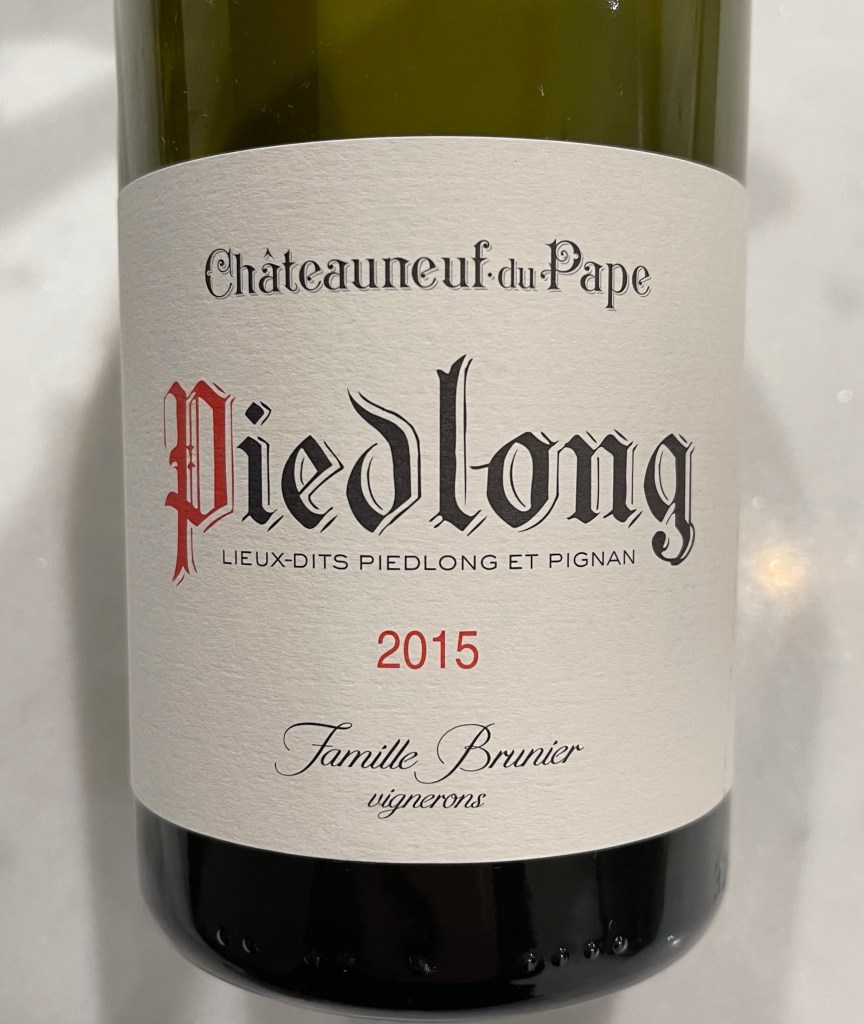
Today’s Wine: 2015 Piedlong Châteauneuf-du-Pape

90% Grenache, 10% Mourvèdre; 14.5% ABV

The 2015 Piedlong CdP is translucent medium garnet in color with ruby hues in the bowl of the glass. I decanted this for 2 hours, though it really started opening up around the 1 hour mark. The nose showcases bright red fruits of raspberry, strawberry, and bing cherry alongside red licorice, rose, dried gravel, slight smoke, and oak. There is some slight heat too, but it does start to blow off a bit and should integrate with bottle age. Moving onto the palate, I get more vibrant fruits of stewed strawberry, black raspberry, boysenberry, and blood orange with violet, dried green herbs, crushed rock, thyme, and mild spice. This is medium- to full-bodied with medium acidity, medium tannins, and a medium length finish. A very easy-drinking CdP that’s loaded with red fruits and berries, which would have been perfect for Thanksgiving.

Price: $60 (I found it for $50). This isn’t necessarily my style of CdP (I prefer the more terroir and mineral driven bottlings) but I can see this being widely enjoyed. I don’t really see this as good value, and though I don’t see it as too overpriced either I’d really like to see it around the $40 mark.

Magnificent Old-School Napa Cab

Today’s Story: Ceritas Wines

I previously wrote about Ceritas back in June when I reviewed the 2017 Porter-Bass Vineyard Pinot Noir. As these wines can be hard to come by off the mailing list or in restaurants, I jumped at the opportunity to revisit them again today.

Ceritas Wines is a small, family-owned winery spearheaded by husband and wife duo John and Phoebe Raytek. John and Phoebe source their fruit from trusted vintners mainly in the West Sonoma Coast and Santa Cruz Mountains, with all sites practicing sustainable or organic viticulture. John is highly involved in the vineyards they source from, and in many cases the vintners only sell fruit to Ceritas and are labeled “Monopoles.” Considering himself a winemaker of the Old World style, John believes that fruit should lead the way throughout the winemaking process and he is merely there to watch over, listen, and learn about each unique site. In the cellar, John practices minimal intervention but “flexible” winemaking, with the wines meant to showcase with honesty and transparency the terroir of each specific vineyard site.

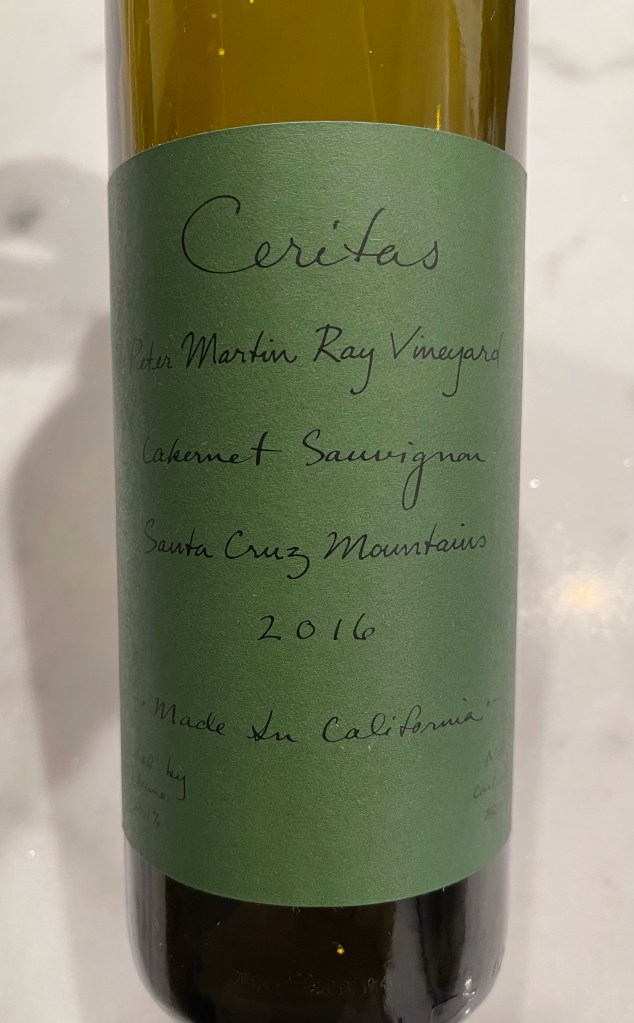
Today’s Wine: 2016 Peter Martin Ray Vineyard Cabernet Sauvignon

100% Cabernet Sauvignon; 13.1% ABV

The 2016 Peter Martin Ray Cabernet Sauvignon is medium to deep ruby in color with purple hues. Though nearly opaque, it is still lighter in the glass than I was imagining. I decanted this bottle for about 5 hours, checking in on it every hour or so, and drank it over the following 2-3 hours. The nose is gorgeous yet refined, showcasing aromas of blackberry, black raspberry, redcurrant, violets, cigar box, pine, mint, crushed rock, dried underbrush, pepper, and just a hint of oak. Moving onto the palate, I get notes of black cherry, blueberry, pomegranate, dried tobacco, licorice, scorched earth, graphite, dried green herbs, sage, and mild chocolate. The wine is medium- to full-bodied with medium (+) acidity, medium (+) but refined tannins, and a long finish. This is an exquisite old-school and traditional Napa Cab that, while beautiful now, certainly has the legs to go another couple decades.

Price: $100. I think this is a great value Napa Cab that drinks like some of the $200 bottles I’ve had. While most “modern day” Napa Cab drinkers may not like this or may not appreciate it because it is so old-school and not what they are used to, the quality, elegance, and longevity of this wine is profound. Excited to revisit this in probably 5 years.

Ole Reliable for Vintage Champagne

Today’s Story: Veuve Clicquot Ponsardin

Veuve Clicquot is a large, well-known Champagne house established in Champagne, France in 1772 by Philippe Clicquot. In 1805, the house was taken over by perhaps one of (in hindsight) the most famous personalities of Champagne: Madame Clicquot, who was the widow of Philippe’s son François. Thanks to a great education and noble birth, Madame Clicquot quickly demonstrated her business prowess by creating the first-ever recorded vintage Champagne in 1810 and in 1814 triumphed over a European trade embargo by shipping her wine to Russia. In 1816, the Madame invented the riddling table which produces clear Champagnes and she became known as “La Grande Dame” of the region (which happens to be the name of the house’s highest end bottling today). She did not stop here, however, introducing the first rosé d’assemblage in 1818 by blending red wines instead of elderberry solutions. Though Madame Clicquot passed away in 1866, the house continued to rise in stature and, in 1877, trademarked their signature yellow label that stands out in any grocery store or wine shop today.

Veuve Clicquot continued to grow and adapt over the following decades, constantly improving their winemaking methods and modernizing their tools. By the house’s 200th anniversary in 1972, they were one of the most recognizable Champagne brands and introduced the top bottling of La Grande Dame. The house was later acquired by Louis Vuitton in 1986 (became LVMH, or Moët Hennessy Louis Vuitton, in 1987) and continued to grow, with the next breakthrough in 2004 with the release of their NV Rosé. While a very large house, Veuve Clicquot is still instantly recognizable and can be depended on for its consistent quality from vintage to vintage and non-vintage from year to year.

Today, the Clicquot vineyards consist of 390 hectares of which 86% are situated across 12 of the 17 Grand Crus and 20 of the 44 1er Crus of the Champagne region. In terms of the vines themselves, 47% are planted to Chardonnay, 36% to Pinot Noir, and 17% to Pinot Meunier with all farmed adhering to sustainable practices and zero use of herbicides.

For more, check out the incredibly extensive Veuve Clicquot website here. At the very least, I highly recommend reading through the details of harvest and winemaking here, which are too great for me to do them any justice.

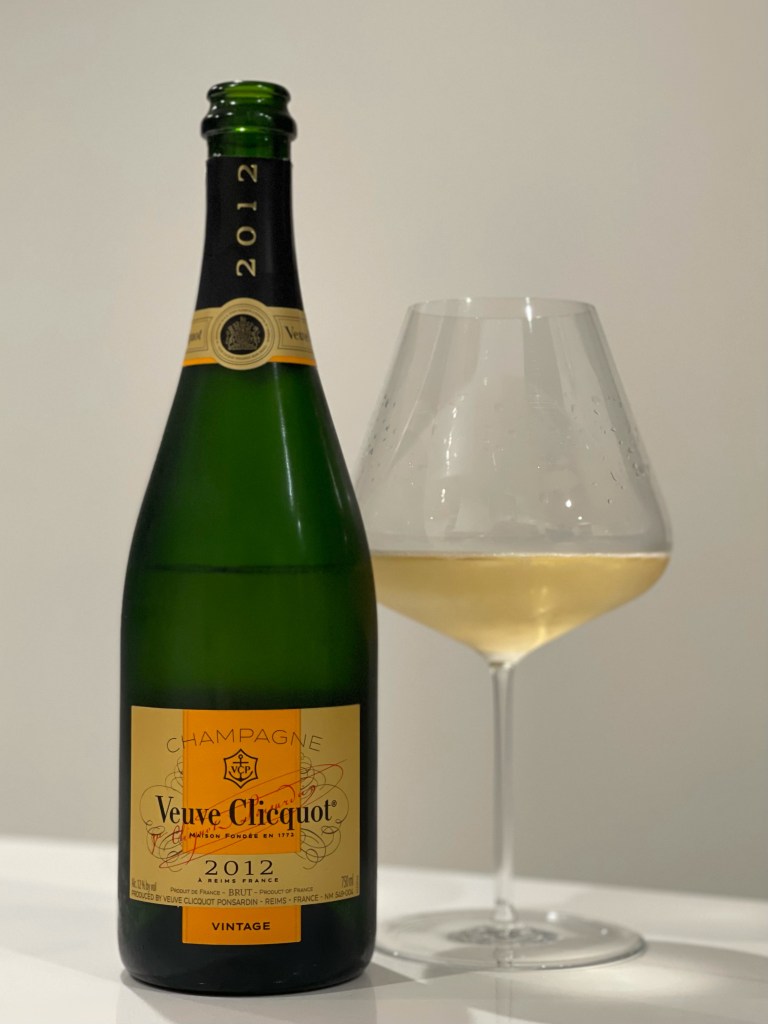
Today’s Wine: 2012 Brut Champagne

51% Pinot Noir, 34% Chardonnay, 15% Meunier; 12% ABV

The 2012 Brut Champagne is transparent to medium gold in color with deep gold variation along the edges of the glass. Beautifully effervescent in the glass, the wine emits aromas of ripe green apple, pear, white peach, stone fruit, white florals, brioche, and dried vanilla. Moving onto the palate, this displays notes of lemon and lime zest, green apple skins, peach, chalk, light green herbs, slight earth, toasted almond, and lees. This is a very linear and precise bottle of Champagne while being medium-bodied and offering vibrant high acidity into a crisp medium (+) length finish.

Price: $85. I think this is pretty fairly priced for a vintage Champagne compared to some of the other large Champagne houses, however I must say it gets beaten by a number of grower Champagne producers I’ve tried over the years. Even the standard NV yellow label isn’t too terribly far behind this vintage bottling, missing out largely on focus and depth. Regardless, Clicquot always gives you exactly what you expect with great consistency, so take that how you will.