Another Delicious Bottling From Jolie-Laide

Today’s Story: Jolie-Laide

Today I return to another bottling from Jolie-Laide, a boutique winery established by Scott Schultz in Forestville, CA that I have written about several times already. If you missed my prior posts, my review of the 2016 Provisor Vineyard Grenache linked here contains the most in-depth background on Jolie-Laide and Scott, and I encourage you to check it out. If you would like to read my reviews for the 2019 Trousseau Gris and 2016 Halcon Vineyard Syrah to augment your knowledge of the portfolio, they are linked here and here, respectively.

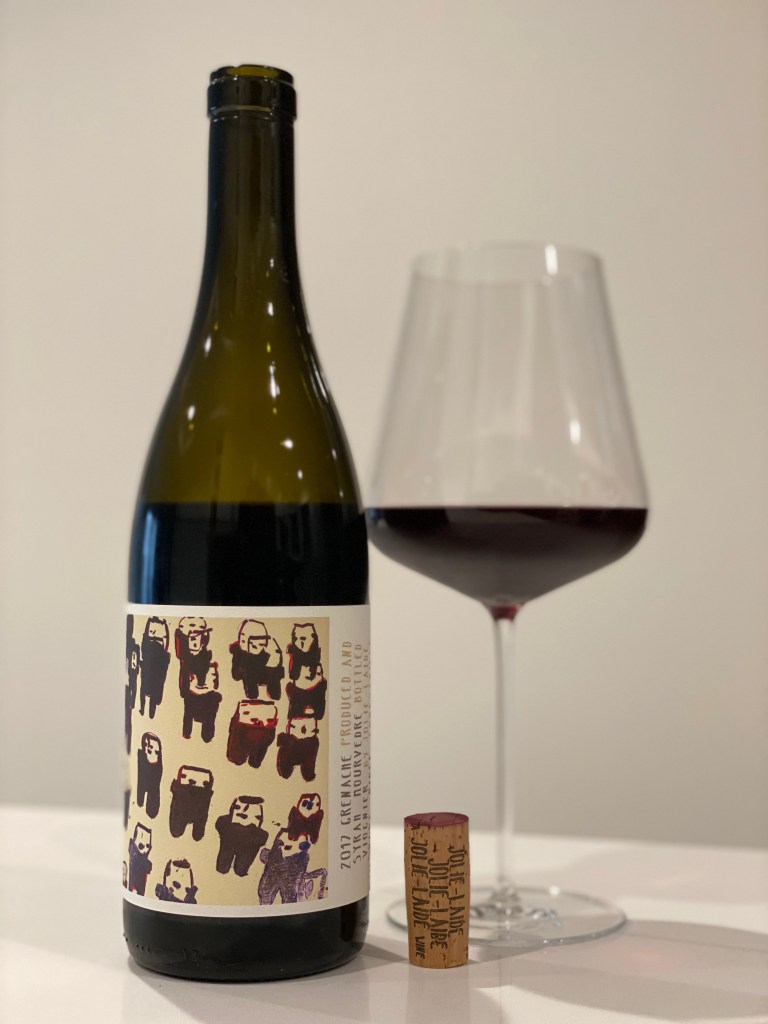
Today’s Wine: 2017 Shake Ridge Vineyard GSM

Blend of Grenache, Syrah, Mourvèdre, and Viognier (no tech sheet); 13% ABV

The 2017 Shake Ridge GSM is mostly opaque medium purple/ruby in color with pale purple variation at the rim. Once this opens up, the nose showcases aromas of blackberry, blueberry, anise, violet, slight barnyard, stemmy underbrush, and granite. On the palate, the wine displays notes of plum, brambleberry, tart wild blueberry, lavender, tobacco, gravel, herbs, black pepper, and mild spice. This is light- to medium-bodied with high acidity, fine-grained medium (+) tannins, and a long finish.

Price: $38. I think this is a good value GSM blend, and while it comes across slightly bigger than other Jolie-Laide wines I’ve enjoyed the same quality and focus on an honest wine is still starkly apparent. Pair this with venison steak, grilled lamb, or charcuterie.

One of California’s Most Famous Cult Pinot Noirs

Today’s Story: Marcassin Vineyards

Marcassin Vineyards is an incredibly small “cult” winery established by Helen Turley and her husband John Wetlaufer in 1990. Focusing entirely on Pinot Noir and Chardonnay, Marcassin produces around 2,500 to 3,000 cases of wine annually and a large majority goes to mailing list customers (with the waiting list said to be thousands of names long). The estate Marcassin Vineyard consists of 20 acres on the Sonoma Coast and, thanks to its growth from 10 acres over time, is now the main source of Marcassin’s fruit. With her vineyards planted very densely, Turley intentionally limits yields to produce healthier and more concentrated fruit which she then harvests on the riper side. Turley ferments her wines using only native yeasts, keeps them on the lees for 6-8 months, and ages them in 100% new oak barrels. When it is time for bottling, the wines are unfined, unfiltered, and do not see cold stabilization. The wines typically hit the market (or rather their collectors’ cellars) five years after the vintage.

Today’s Wine: 2007 Blue-Slide Ridge Vineyard Pinot Noir

100% Pinot Noir; 14.9% ABV

The 2007 Blue-Slide Ridge Pinot is opaque pale to medium ruby in color with purple hues. This took some time to open up in the glass, but once it did the incredibly complex nose changed overtime to showcase black cherry, blueberry, black raspberry, black licorice, dried tobacco leaf, forest floor, black pepper, black olive, cinnamon, charred green herbs, and crushed rock. On the equally complex palate, the wine changed with each sip to display notes of sweet raspberry, red cherry, wild blueberry, strawberry jam, red licorice, tobacco, loamy earth, underbrush, mushroom, mild baking spice, and charred oak. This is medium-bodied with medium (+) acidity, medium (-) tannins, and a long finish. Still a lot of life left in this wine, though it is pretty well balanced already given the high ABV.

Price: $275. While this is certainly one of the best California Pinot Noirs I’ve had, I can’t say it is a good value at the price I paid. I understand the incredible rarity of this wine, but it is simply a treat that has been on my bucket list that I don’t see myself spending the money on again. If you are on the mailing list, however, that is a completely different story. Pair this with seared duck breast, roasted chicken, or rack of lamb.

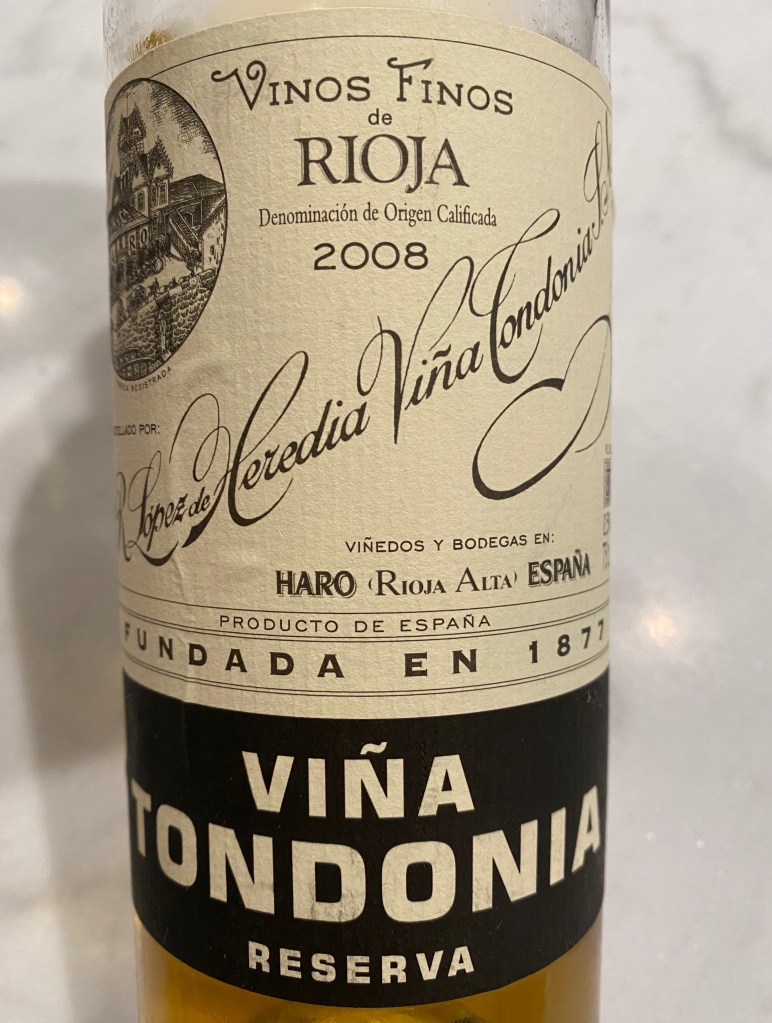
Gorgeous Rioja Blanco

Today’s Story: R. López de Heredia

I previously wrote about R. López de Heredia, one of my favorite producers in Rioja, when I reviewed the 2006 Viña Tondonia Reserva in One of My Favorite Rioja Producers Does It Again. LdH is a family-run winery established in 1877 by Don Rafael López de Heredia y Landeta after he fell in love with the Rioja Alta region, particularly the area of its capital Haro. All of the fruit sourced for these wines is estate-owned, a pathway they started following early on when Don Rafael realized it was the surest way to ensure impeccable quality of his vineyards, fruit, and wines. All harvesting is accomplished solely by hand and the fruit is treated very delicately in baskets made at the winery’s cooperage. In the cellar, the López de Heredia family follows traditional winemaking methods passed down from generation to generation.

Today’s Wine: 2008 Viña Tondonia Reserva Blanco

90% Viura, 10% Malvasía; 12.5% ABV

The 2008 Viña Tondonia Reserva Blanco is beautiful deep gold in color and transparent. The exquisite nose showcases aromas of peach, apricot, honeydew, chamomile, hazelnut, brioche, honey, and seashell, while the palate displays notes of lime zest, melon, orange marmalade, tropical citrus, white florals, toffee, almonds, and mineral. This wine is light- to medium-bodied with gorgeous high acidity and a plush, luxurious mouthfeel into a long finish.

Price: $65. Even though these are more expensive than their red counterparts (thanks to a smaller production) I find them to be just as superior a value for their gorgeous depth and complexity. Pair this with lobster, roasted chicken, or almonds.

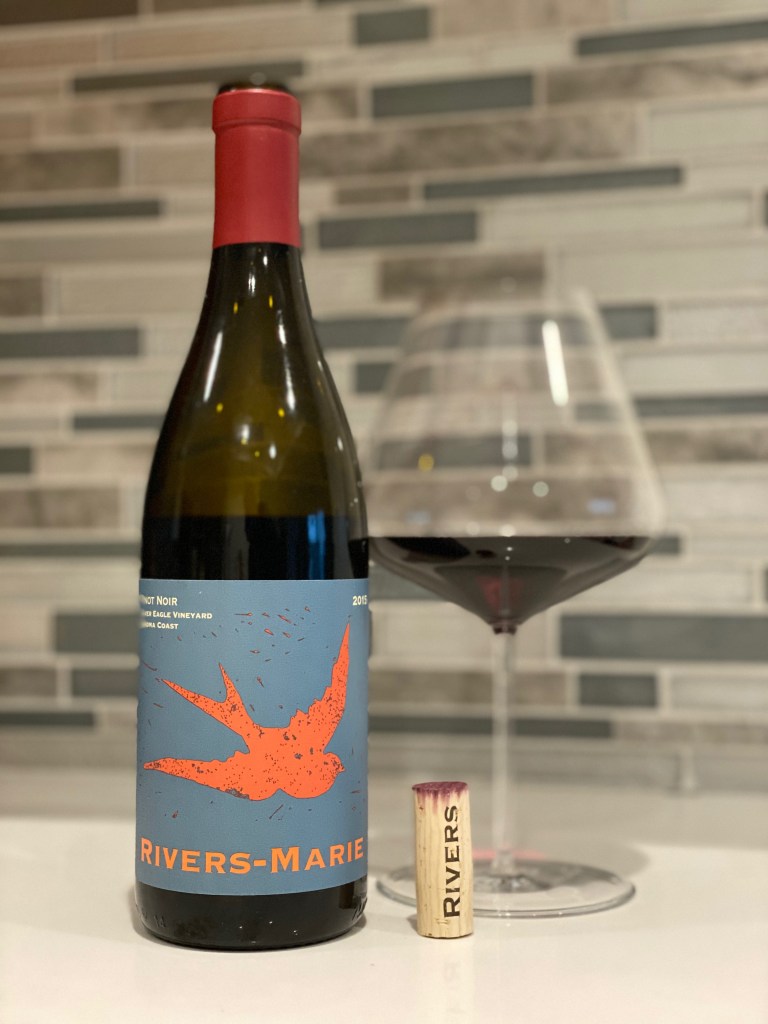
Rockstar Single Vineyard Sonoma Coast Pinot

Today’s Story: Rivers-Marie

Rivers-Marie is a family-owned winery established in 2002 by husband and wife duo Thomas Rivers Brown and Genevieve Marie Welsh. Thomas is well-known throughout California winemaking thanks to his consulting practices and winemaking stints with names like Schrader, Maybach, and Outpost, however Rivers-Marie is a personal project born in Pinot Noir. Working with vineyards throughout the Sonoma Coast (especially in Occidental-Freestone), Thomas crafts Pinot Noir, Chardonnay, and small amounts of Cabernet Sauvignon (Calistoga, St. Helena, and Oakville) in a more restrained, terroir-driven style than can be expected from his other ventures. The Pinot Noir bottlings consist of appellation wines and a number of single vineyard offerings, all produced with native yeasts and partial whole cluster fermentation. Thomas’ Chardonnays are made in similar minimalistic fashion with whole cluster barrel fermentation, no stirring, limited sulfur additions, aging in 0-25% new French oak, and are bottled unfined and unfiltered. The Cabernets are made to walk the fine line between power and elegance, showcasing classic Napa Valley fruit but not overpowering the terroir expressions.

Today’s Wine: 2015 Silver Eagle Vineyard Pinot Noir

100% Pinot Noir; 14.1% ABV

The 2015 Silver Eagle Pinot Noir is opaque medium purple/ruby in color. This takes some time to open up in the glass, but once it does the nose showcases aromas of cherry, black raspberry, dried strawberry, forest floor, game, cola, mint, baking spice, and crushed rock. On the palate, the wine displays notes of plum, black cherry, licorice, blue florals, tobacco, charred earth, dried green herbs, and iron. This is medium-bodied with high acidity, medium (-) tannins, and a long finish.

Price: $75. Not cheap for California Pinot Noir and getting up there with some of the bigger “cult” brands, but this is very elegant and definitely worth the price. This seems to be made in a slightly more refined style than many of the opulent, “in your face” Pinots that command similar or higher prices. Pair with herb-roasted chicken, mushroom risotto, or assorted charcuterie.

Middle Tier People Pleaser From Napa Valley

Today’s Story: HALL Wines

HALL Wines is a family owned and operated winery established by Kathryn and Craig Hall in the Napa Valley. The Halls purchased the Sacrashe Vineyard in Rutherford in 1995, though did not open a winery there until a grand opening in 2005. In between, however, the Halls acquired the Bergfeld Winery in St. Helena in 2003 and opened as HALL St. Helena in July, 2003. HALL consists of roughly 150 acres of estate vineyards planted to Bordeaux varieties of Cabernet Sauvignon, Merlot, and Sauvignon Blanc, though they also source from carefully selected winegrowing partners. With the vineyards farmed organically and controlled to lower yields, the fruit for HALL Wines is intended to be as healthy as possible and highly concentrated. All fruit is hand-harvested and taken to the wineries in small baskets where it is destemmed and cold soaked before fermentation begins. During primary fermentation, HALL uses both natural yeasts and pure cultured yeasts followed by secondary fermentation which may include malolactic bacteria added to help the wines along the way in small French oak barrels. HALL uses French oak barrels more than 50% new for the aging process, which lasts 16-22 months for the reds before bottling.

Today’s Wine: 2015 Cabernet Sauvignon

87% Cabernet Sauvignon, 13% Merlot; 15.8% ABV

The 2015 Cabernet Sauvignon is opaque deep ruby in color with purple hues and fairly heavy staining on the glass. Given a couple hours to decant, the wine blossoms to showcase a nose of blackberry, blackcurrant, spiced plum, loamy earth, basil, baking spice, vanilla, mocha, and oak. There’s also a good amount of heat from the high ABV. On the palate, I get notes of cassis, black cherry, fig, anise, tobacco, wet slate, savory garden herbs, chocolate, and cedar. This is full-bodied with medium (+) acidity, medium (+) tannins, and a long finish.

Price: $55. This is about what you’d expect for the price-point, not necessarily making it a good “value” but not saying it’s overpriced. With how age-worthy this seems, it could be a good addition to your cellar to break out in several years for those Napa Cab lovers. Pair with ribeye, grilled lamb, or burgers.

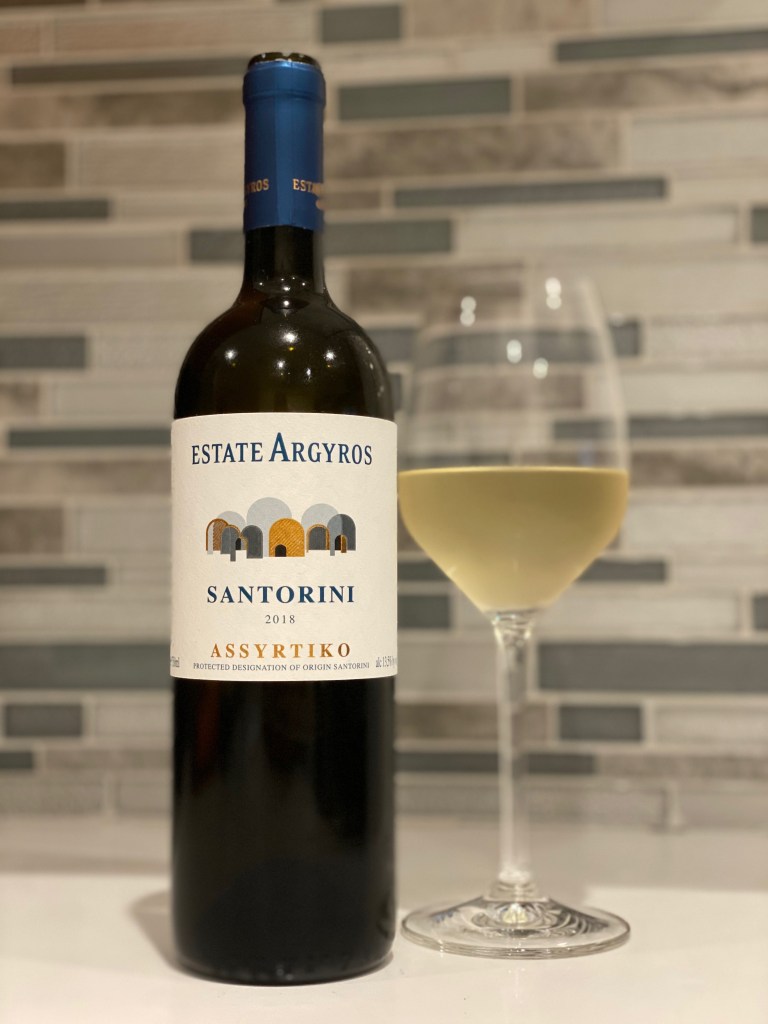
Refreshing and Fun White From Santorini

Today’s Story: Estate Argyros

Estate Argyros was established in 1903 on the island of Santorini and today is run by fourth generation winemaker Matthew Argyros. The estate consists of 120 hectares with vines averaging 70 years old, all of which are ungrafted (original rootstock) thanks to the island’s inorganic soil providing immunity to Phylloxera. All vineyards are planted to indigenous varieties of Santorini, including Assyrtiko, Aidani, and Mavrotragano. Argyros farms their vineyards organically under sustainable guidelines, using no pesticides and only grape skins and stems following harvest as compost. All harvesting is accomplished by hand and winemaking is very traditional, yielding wines that are transparent representations of their very unique and difficult terroir.

Today’s Wine: 2018 Assyrtiko

100% Assyrtiko; 13.5% ABV

The 2018 Assyrtiko is transparent pale gold/yellow in color with water white variation near the rim. Once this opens up, the nose showcases aromas of lemon and lime zest, green apple skins, white lily, damp grass, saline mineral, flint, and light smoke. On the palate, the wine displays notes of lime, grapefruit, lemongrass, peach, sea salt, volcanic minerality, and chalk. This is light- to medium-bodied and bone dry with high acidity into a crisp and refreshing finish. The fruit is sourced from 100-120 year old ungrafted vines and fermented in stainless steel vats.

Price: $30. This is a solid value for its quality, and it’s also a fun wine to try because I hadn’t had any Assyrtiko before. Pair this with oysters, sushi, or salad with grilled chicken.

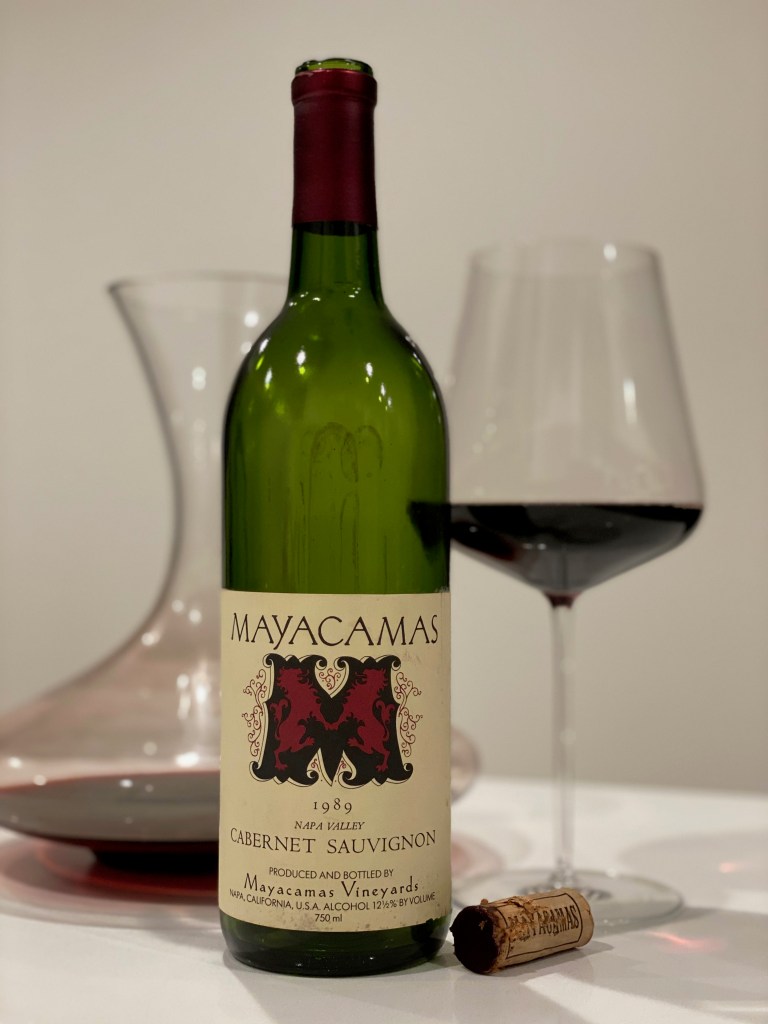
Beautiful and Traditional Napa Cab

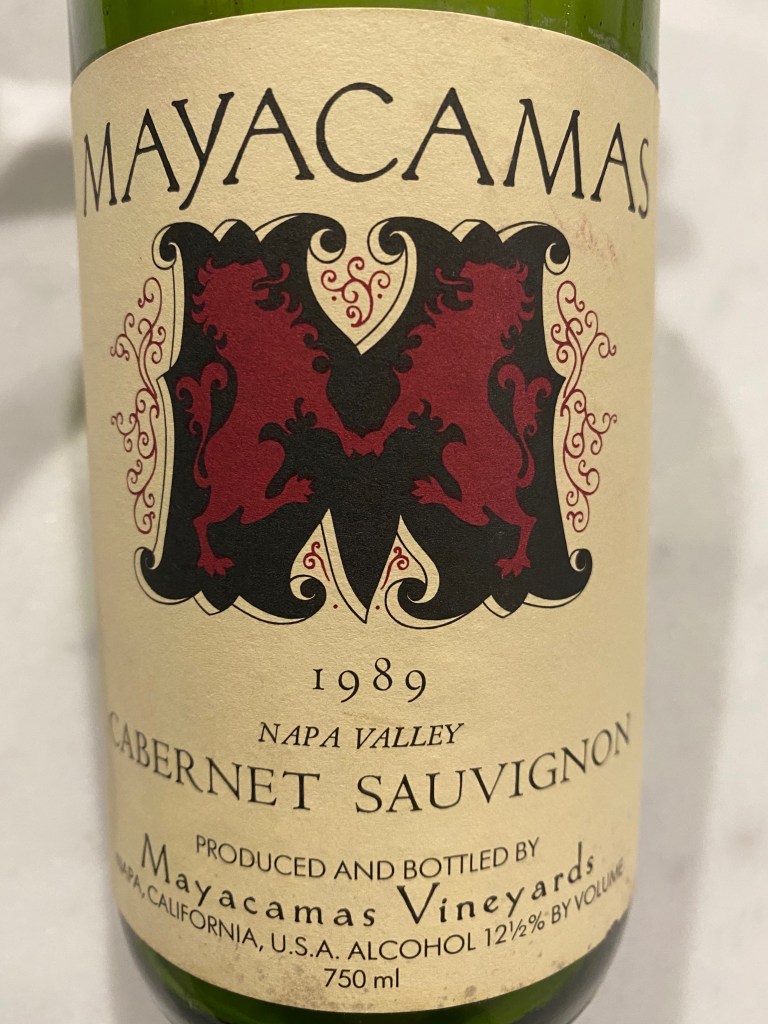
Today’s Story: Mayacamas Vineyards

Mayacamas was established in 1889 by German immigrant John Henry Fisher and is located in the Mt. Veeder AVA of the Napa Valley. Fisher went bankrupt in the early 1900s, however, and the winery ceased production with the onset of Prohibition (although bootleggers are said to have made wine in the cellars during the early years). Mayacamas was owned by the Brandlin family during the 1920s and 1930s, before being purchased by Jack and Mary Taylor in 1941 when the estate received its current name. Mayacamas changed hands yet again in 1968 when Robert and Elinor Travers purchased it, with the couple quickly setting about expanding the aging facilities and vineyard holdings while planting and replanting vines. Charles and Ali Banks purchased Mayacamas in 2007, though the winery has since changed hands again to the Schottenstein family.

Though the history of Mayacamas is long and inclusive of many ownership changes, the one constant is the traditional style of winemaking they practice. Mayacamas was one of the wines in the 1976 Judgment of Paris (they poured their 1971 Cabernet Sauvignon) which showed the estate can stand up with the greatest Californian and French wines of the world. Mayacamas dry farms their vineyards and transitioned a large portion to organic viticulture in 2013, further enhancing the quality of fruit. Very traditional in style, they age the wines in neutral oak to not mask any of the true expressions of the Cabernet Sauvignon variety or the terroir.

Today’s Wine: 1989 Cabernet Sauvignon

100% Cabernet Sauvignon; 12.5% ABV

The 1989 Cabernet Sauvignon is very youthful opaque deep garnet in color with plenty of ruby left. After 3 hours in the decanter, this beauty blossomed with a nose of blackcurrant, blackberry, cherry, redcurrant, pencil shavings, cigar box, tobacco, forest floor, truffle, gravel, and thyme. On the palate, the wine displays notes of blackberry, crème de cassis, black plum, redcurrant, violet, graphite, tobacco, sous bois, green herbs, cracked black pepper, and cedar. This is medium-bodied with medium (+) acidity, medium dusty tannins, and a long finish. If tasted blind 100 times, I’d call this 1st or 2nd Growth Left Bank Bordeaux every time.

Price: $200. If provenance is impeccable, like this bottle was, this is absolutely worth the price. Drinking up there with some of the greats of Bordeaux, this is an incredible value. Pair with filet mignon, roasted lamb, or portobello mushrooms.

Unique Grenache That Drinks Almost Like a Rosé

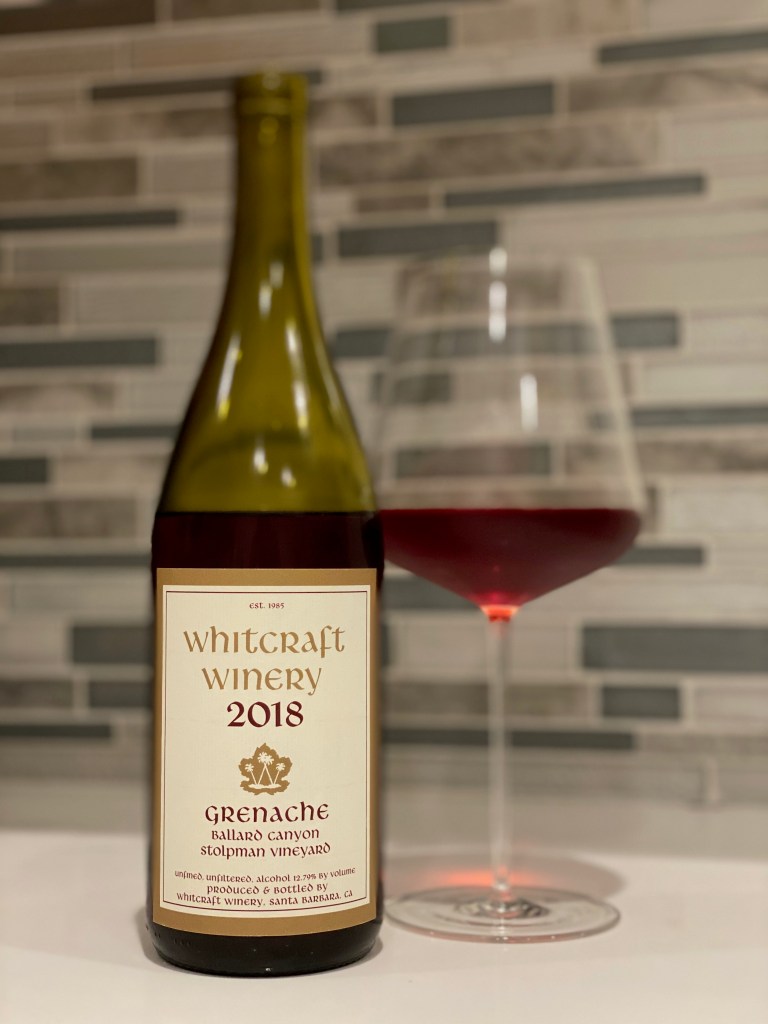
Today’s Story: Whitcraft Winery

I wrote about Whitcraft a few days ago when reviewing the 2016 Pence Ranch Clone 828 Pinot Noir, so I’ll make your Saturday reading light and move onto the tasting notes. If you missed my post about Whitcraft earlier this week, you can find it here.

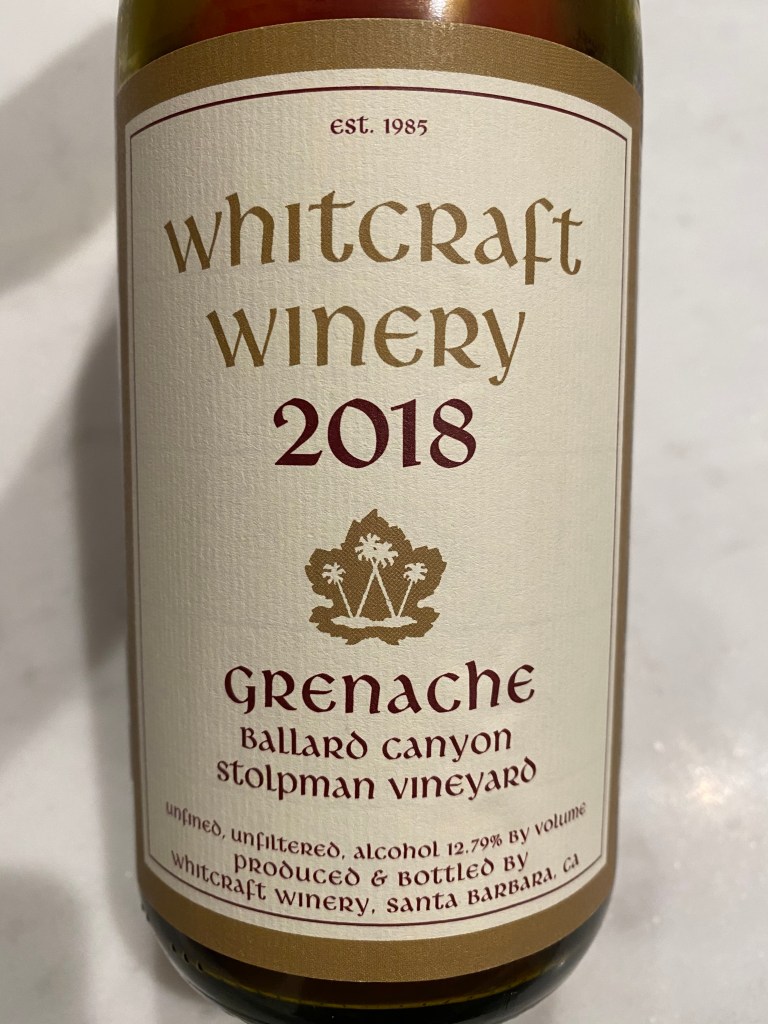
Today’s Wine: 2018 Stolpman Vineyard Grenache

100% Grenache; 12.79% ABV

The 2018 Stolpman Vineyard Grenache is deep salmon and rose petal in color with medium pink variation. This is a very light Grenache, looking and drinking almost like a rosé. On the nose, I get aromas of strawberry, cranberry, rose, leather, gravel, underbrush, rocky mineral, and slight spice. Once in the mouth, the wine showcases notes of raspberry, tart red cherry, baked plum, red and purple florals, cinnamon, mint, herbs, and peppery spice. This is medium-bodied with medium acidity, medium (-) tannins, and a medium (+) finish. All around a great summer red.

Price: $45. I find this one tough to describe on a value perspective, because it’s not your typical Grenache and it’s not a rosé. This in mind, it’s a super fun wine to taste and I loved it for the warm weather. It’s also very high-quality like most Whitcraft wines are. Pair this with bruschetta, charcuterie and cheese, or a lobster roll.

Clean, Honest, and Burgundian Cali Pinot Noir

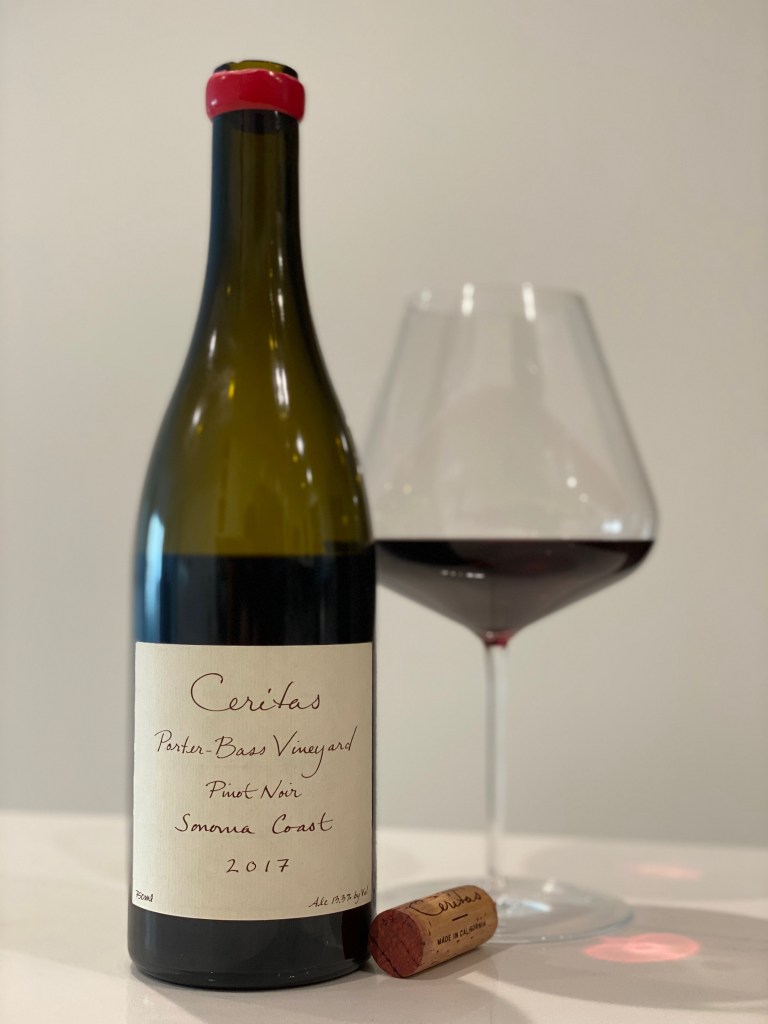
Today’s Story: Ceritas Wines

Ceritas Wines is a small, family-owned winery spearheaded by husband and wife duo John and Phoebe Raytek. John and Phoebe source their fruit from trusted vintners mainly in the West Sonoma Coast and Santa Cruz Mountains, with all sites practicing sustainable or organic viticulture. John is highly involved in the vineyards they source from, and in many cases the vintners only sell fruit to Ceritas and are labeled “Monopoles.” Considering himself a winemaker of the Old World style, John believes that fruit should lead the way throughout the winemaking process and he is merely there to watch over, listen, and learn about each unique site. In the cellar, John practices minimal intervention but “flexible” winemaking, with the wines meant to showcase with honesty and transparency the terroir of each specific vineyard site.

Today’s Wine: 2017 Porter-Bass Vineyard Pinot Noir

100% Pinot Noir; 13.3% ABV

The 2017 Porter-Bass Vineyard Pinot Noir is mostly opaque pale ruby in color with hints of purple. This took a good hour to open up in the glass, with the nose showcasing aromas of red cherry, strawberry, blueberry, rose petal, forest floor, stemmy underbrush, crushed rock, flint, and mineral. On the palate, I get notes of dusty raspberry, dried cherry, crunchy pomegranate, plum, slightly stale licorice, violet, garden herbs, and stony mineral. This is light- to medium-bodied with medium acidity, medium (-) tannins, and a long finish. Gorgeous wine and very Burgundian in style, though 3 more years in the bottle will do it wonders.

Price: $75. Though not an inexpensive Pinot Noir, this still offers strong QPR when compared to the “big boys” of California Pinot Noir and the quality is impeccable. Pair this with roasted chicken, duck breast, or charcuterie.

Refreshing and Well-Made Bourgogne Aligoté

Today’s Story: Domaine Jean-Claude Ramonet

I previously wrote about Jean-Claude Ramonet when I reviewed the 2015 Chassagne-Montrachet 1er Cru Clos Saint-Jean in Exploring a Red From a Legendary Producer of White Burgundy. Domaine Ramonet was established in Chassagne-Montrachet in the late 1920s by Pierre Ramonet, and quickly became one of the preeminent producers of white Burgundy. Though the domaine has had its ups and downs over time largely due to premature oxidation in the 1990s, Jean-Claude Ramonet has returned the wines to fresh heights and remains a force to be reckoned with in the world of white Burgundy.

In the vineyards, Ramonet likes to work with older vines and keep his yields low. Most of the wines are produced from vines 12 to 50 years old, though they typically like to use vines 18 years or older. The domaine’s vinification practices are traditional in nature, with the whites starting in tanks before transfer to French oak barrels and the reds in cement vats for maceration and fermentation. New oak usage varies by wine and vintage, with the whites typically seeing 10-15% for village wines, 30-40% for 1er Crus, and 50%+ for the Grand Crus. Reds typically see 10-20% new oak for village wines and 30-40% for 1er Crus. None of the white wines are bottled fined or filtered.

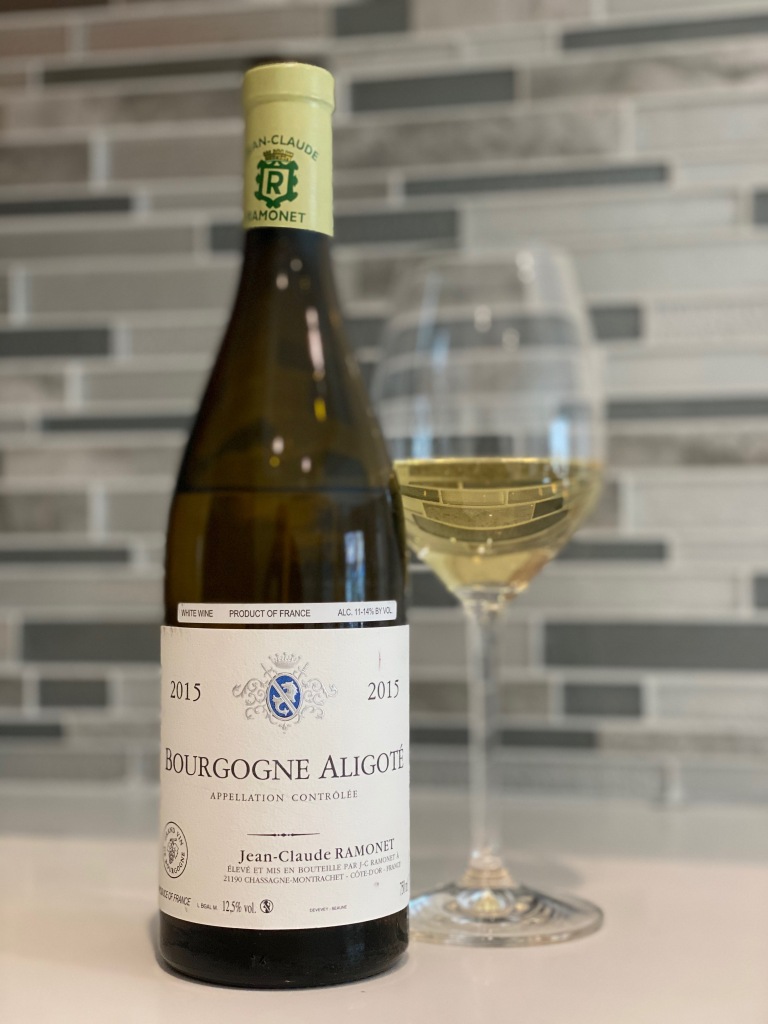
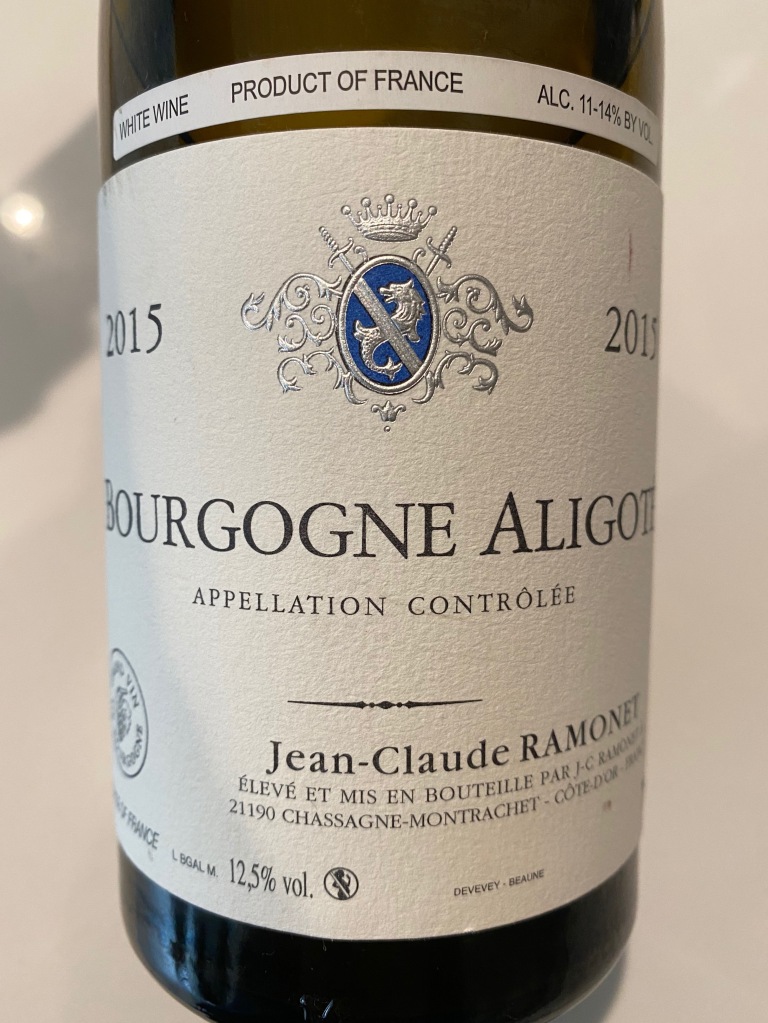
Today’s Wine: 2015 Bourgogne Aligoté

100% Aligoté; 12.5% ABV

The 2015 Bourgogne Aligoté is transparent medium yellow in color with deep straw variation. On the nose, the wine showcases aromas of golden apple, white peach, white florals, cotton candy, dried vanilla, mild herbs, and mineral. Once on the palate, this displays notes of lemon citrus, yellow apple skins, snap pea, white wildflower, wax, and dill. The wine is light- to medium-bodied with high acidity and a plush, luxurious mouthfeel into a lingering but refreshing finish.

Price: $50. This is a very well-made, high quality Aligoté that I think justifies the price-point. Pair with oysters, roasted chicken, or cheese.