Natural Valdiguié That Nearly Left Me Speechless

Today’s Story: Broc Cellars

Broc Cellars, located in Berkeley, California, is a boutique winery established by winemaker and owner Chris Brockway. Though Chris purchases the fruit for his wines, he ensures that all of it comes from sustainably or organically farmed vineyards (often managed by him) where the use of synthetic pesticides, herbicides, fungicides, or fertilizers is eschewed. In crafting his wines, he utilizes spontaneous fermentation where only natives yeasts and bacteria reign supreme without any additives. Chris doesn’t add any nutrients, enzymes, or tannins to his wines and adds zero to minimal SO2 depending on the wine. For his varieties that range from Chenin Blanc and Chardonnay to Nero d’Avola and Valdiguié, Chris sources fruit from Mendocino, Sonoma, and Solano counties as well as Alexander Valley and beyond.
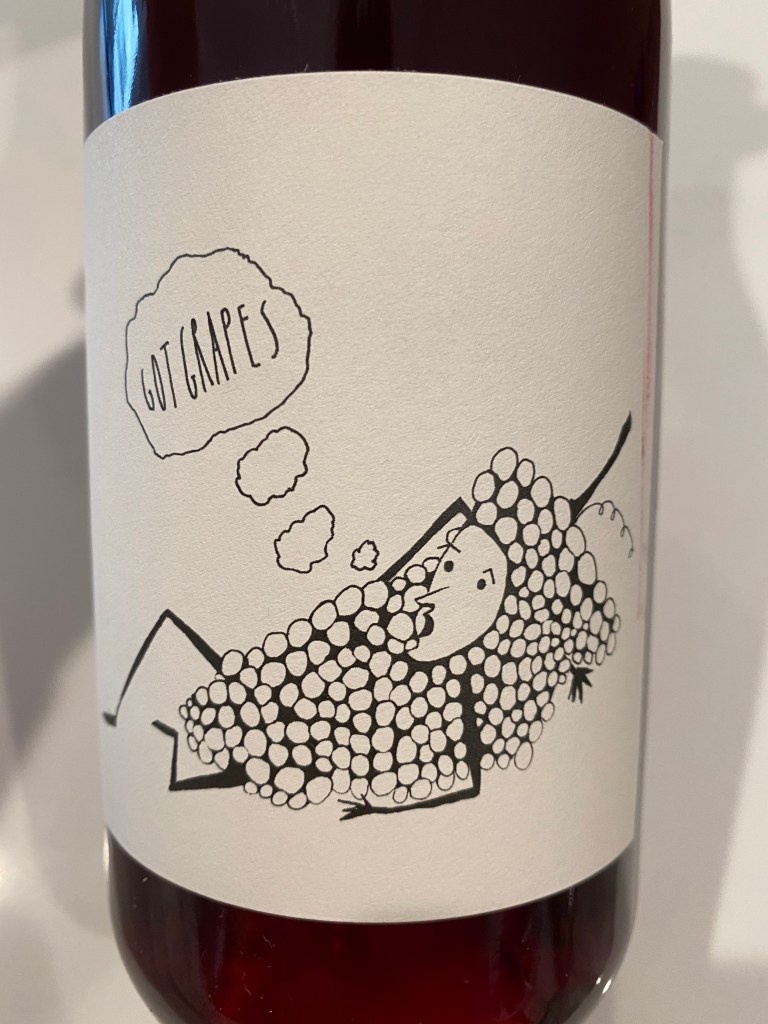
Today’s Wine: 2018 Got Grapes

100% Valdiguié; 11.5% ABV

The 2018 Got Grapes is pale purple in color and moderately opaque. I simply let this open in the glass with the nose showcasing aromas of cranberry, dried raspberry, red and purple florals, slight barnyard, wet sand, steel cut oats, eucalyptus, and rocky mineral. Once on the palate, this delicious wine displays notes of crunchy red raspberry, strawberry, pomegranate, rocky soil, stemmy underbrush, tobacco leaf, black pepper, and mineral. This is light- to medium-bodied with gorgeous medium (+) acidity, medium (-) tannins, and a medium (+) length finish. This Valdiguié is sourced from two dry farmed vineyards in Mendocino County, and the fruit is destemmed and fermented on the skins before being pressed into tanks to complete fermentation and aged for 6 months in neutral French oak barrels. 400 cases produced.

Price: $27 direct from winery (I snagged it for $24). This is not a wine for every palate but it is not too far out there by any means for those who want to explore a naturally-made wine. For me, I thought this was absolutely fantastic and for its price not only of supreme quality and delicious but certainly fun. Pair this with roasted chicken, grilled salmon, or charcuterie and hard cheeses.

Perplexing and Fun California White Blend

Today’s Story: Dirty & Rowdy Family Winery

I previously wrote about Dirty & Rowdy when reviewing their 2018 Familiar Mourvèdre in Wildly Fun California Mourvèdre, but I will recreate their story below.

Dirty & Rowdy is a small, family-operated winery founded in 2010 by couples Hardy & Kate and Matt & Amy with the goal of producing minimal intervention “honest wines.” Known for their range of Mourvèdre bottlings, Dirty & Rowdy also produces Petite Syrah, Chenin Blanc, and blends that include a GSM and Semillon-dominant white almost all with 100% whole cluster native fermentation, either zero or minimal SO2 added, and no filtering or fining when bottled. Dirty & Rowdy sources their fruit from vineyards in Mendocino, Monterey, Contra Costa, El Dorado, and Amador Counties, with most vineyards organically farmed or at a minimum “responsibly” farmed and unique.

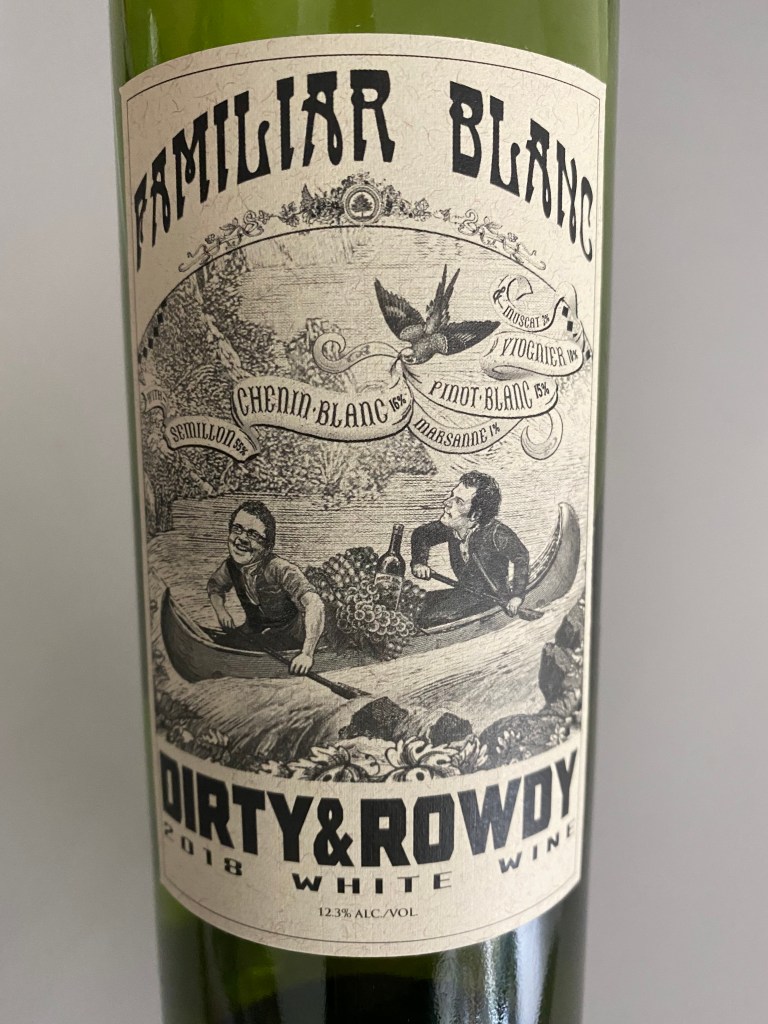
Today’s Wine: 2018 Familiar Blanc

55% Semillon, 16% Chenin Blanc, 15% Pinot Blanc, 10% Viognier, 3% Muscat, 1% Marsanne; 12.3% ABV

The 2018 Familiar Blanc is gorgeous medium gold/yellow in color and completely transparent. The delicate nose emits aromas of melon, peach, tropical citrus, white florals, straw, chamomile, and saline mineral. Once in the mouth, this easy drinking wine displays notes of pear, golden apple skins, lemon zest, grapefruit, honeysuckle, white pepper, stone minerality, and wax. This is medium-bodied with vibrant medium (+) acidity and a fully-rounded mouthfeel into a medium length finish. The wine is produced with 60% whole cluster and 40% skin native fermentation with no winemaking additives and minimal SO2.

Price: $30. Similar to my experience with the Dirty & Rowdy Familiar Mourvèdre I reviewed a few weeks ago, this is a thoroughly enjoyable and fun wine. Pair this with shellfish, roasted pork, or Manchego cheese.

Elegant Bottling From a Historical Spring Mountain Estate

Today’s Story: Spring Mountain Vineyard

Spring Mountain Vineyard is a large estate and winery comprised of what used to be three unique properties, each with their own vineyards and wineries. Spring Mountain Vineyards (Miravalle) consisted of 257 acres, Chateau Chevalier (Chevalier) of 120 acres, and Draper Vineyards (La Perla) of 435 acres before being combined. La Perla is the uppermost and oldest portion of today’s estate, established in 1873 by Charles Lemme and home to the first Cabernet Sauvignon planted on Spring Mountain. La Perla expanded from 285 acres to 435, largely thanks to the addition of the vineyard just below it planted by Fredrick and Jacob Beringer in 1882. To the north of Beringer’s vineyard was Chateau Chevalier, whose winemaking presence began in 1891, and next door was Miravalle. To learn more about these historic estates and their eventual culmination into Spring Mountain Vineyard, check out the website here. Today, SMV consists of 850 acres on the eastern slopes of Spring Mountain with roughly 226 acres planted to vine that are broken into 135 small vineyard blocks.

Whether or not you check their website regarding the three original properties linked above, I highly recommend browsing their intensely-detailed winemaking page here and the equally intensive vineyard page here. Though there is far too much detail for me to delve into here, I will try to highlight that the vines are very densely planted to reduce yields and produce concentrated, naturally ripened fruit while utilizing sustainable practices. In the cellar, Spring Mountain Vineyard separates their vineyard lots, ferments using only natural yeasts, usually bottles the wines unfined, and adds minimal SO2. The winery is also incredibly proud of their 100% estate bottling process.

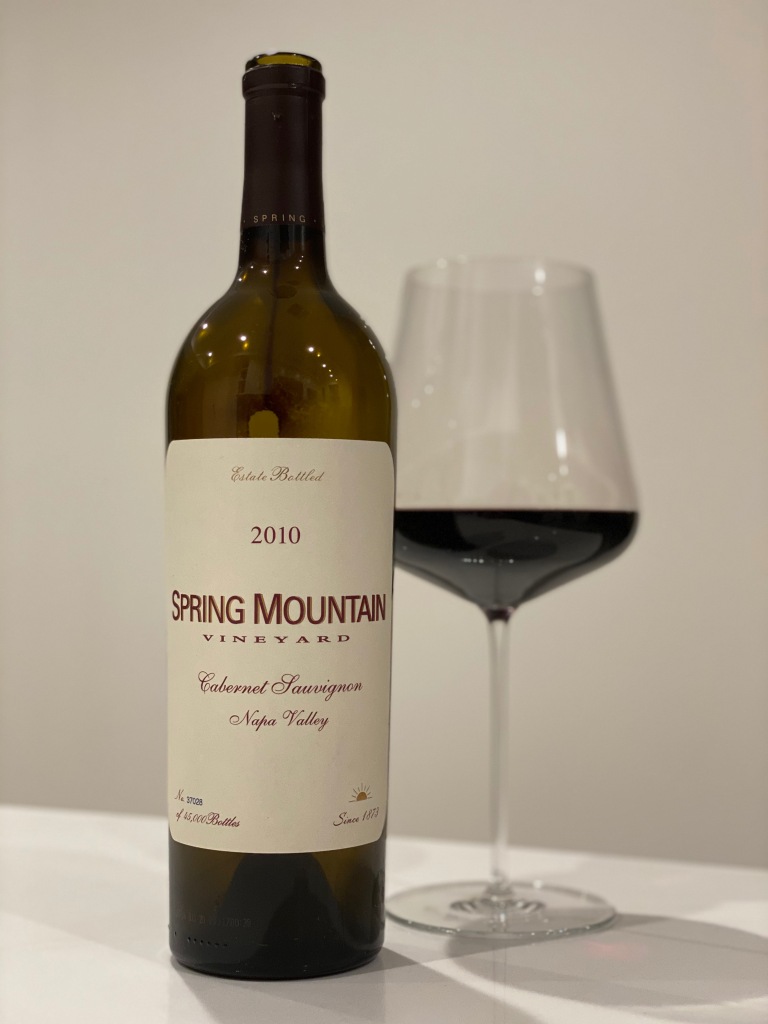
Today’s Wine: 2010 Estate Cabernet Sauvignon

76% Cabernet Sauvignon, 10% Merlot, 6% Petit Verdot, 5% Cabernet Franc, 3% Malbec; 13.6% ABV

The 2010 Estate Cabernet Sauvignon is opaque deep ruby in color. I decanted this for 2 hours and drank it over the following 2 hours. The nose showcases aromas of blackberry, plum, ripe blueberry, black raspberry, tobacco, loamy earth, black pepper, slight baking spice, and mocha. Once on the palate, this beauty displays notes of blackcurrant, juicy plum, black cherry, pipe tobacco, charred earth, gravel, coffee grounds, ground herbs, and chocolate. This is full-bodied with medium (+) acidity, refined medium tannins, and a long finish. Supremely elegant and well-crafted.

Price: $150 direct from winery (but I got this at an absolute STEAL of $50 at a Los Angeles wine store). $150 is probably pushing it on a value perspective, but at $100 or less this is a must-try. The quality and elegance of this wine is truly living up to the estate’s name. Pair this with filet mignon, lamb, or charcuterie and cheese.

Beautiful Expression of Priorat

Today’s Story: Terroir al Límit

Terroir al Límit was established in 2001 by Dominik Huber and Eben Sadie when the duo purchased fruit from the Perez family of the Mas Martinet winery and vinified their first Dits del Terra. In 2003, they acquired their own wine cellar in the village of Torroja del Priorat and quickly set about purchasing more fruit and releasing new wines. Since the beginning, Dominik’s goal is to produce terroir-driven wines utilizing ancient Burgundian winemaking traditions and he took this a step further by practicing organic and biodynamic viticulture, minimal intervention, whole cluster fermentation, and concrete or amphora aging. The painstaking manual process in the vineyards (save for assistance from a mule named Frida) coupled with Dominik’s winemaking philosophy yields wines of beautiful elegance meant for “enjoying in the company of family and friends.” To explore this incredible winery further, check out the website here.

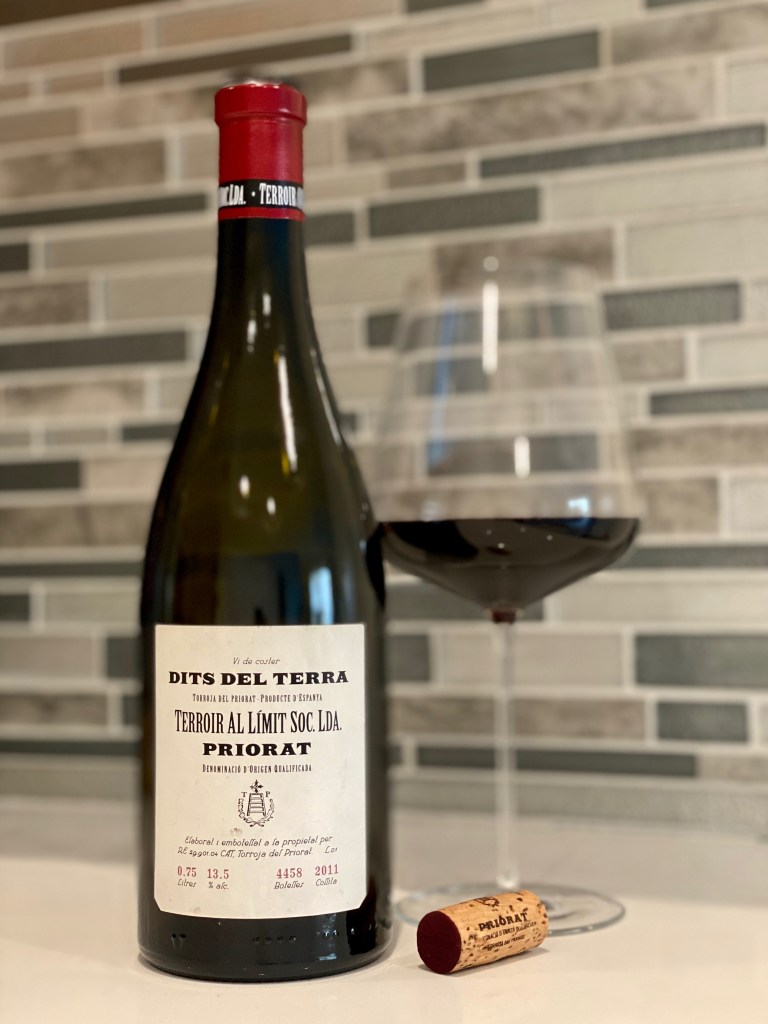
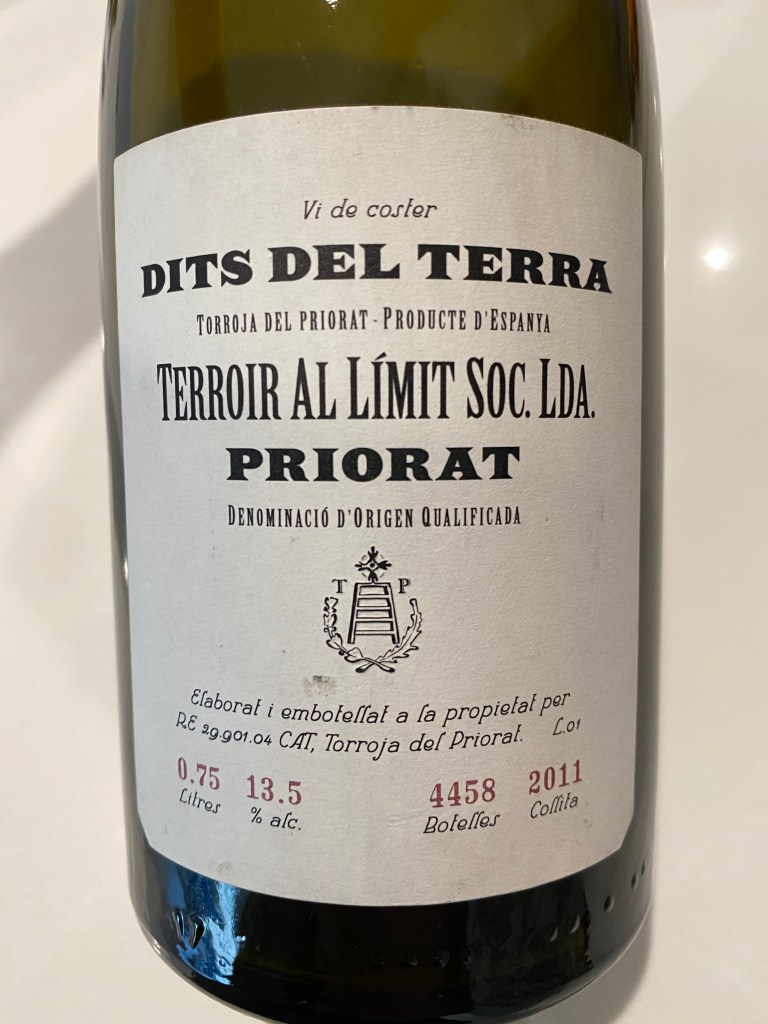
Today’s Wine: 2011 Dits del Terra

100% Carignan (85-year-old vines at 400m elevation); 13.5% ABV

The 2011 Dits del Terra is mostly opaque and medium ruby in color. This requires an hour in the decanter which allows the nose to blossom with aromas of dried cranberry, raspberry, black cherry, rose, cured meat, tobacco, earthy mushroom, forest floor, and crushed rock. Once this hits the palate, it displays notes of cranberry, strawberry, raspberry, licorice, dried tobacco leaf, dried loamy earth, baking spice, ground green herbs, and slate. The 2011 Dits del Terra is beautifully balanced and medium-bodied with medium (+) acidity, medium tannins, and a long finish. 4,458 bottles produced.

Price: $80. Terroir al Límit produces my favorite wines that I’ve had from Priorat and, while not inexpensive, provide the quality and elegance to justify it. Pair this with turkey and cranberry sauce, venison, or herb-roasted lamb.

Elegant New Zealand Pinot Noir

Today’s Story: Te Whare Ra

Te Whare Ra is a small family-owned winery established in 1979 but under the guide of winemakers Anna and Jason Flowerday since 2003. TWR’s vineyard is one of the oldest in Marlborough and consists of 11 hectares planted to Gewürztraminer, Riesling, Sauvignon Blanc, Pinot Gris, Chardonnay, Pinot Noir, and Syrah. Anna and Jason manage their vineyard adhering to organic and biodynamic principles, while also practicing minimal intervention in the cellar. The duo keeps their yields low, all fruit is hand-picked and hand-sorted, no chemicals are used in the vineyards, and the wine is made as naturally as possible with no fining agents, chemical tannins, or chemical yeast nutrients added. TWR is a founding member of Marlborough Natural Winegrowers (MANA) and is certified organic by BIOGRO NZ. To learn more about TWR’s farming and winemaking practices, explore their portfolio, or meet the team (including their cows and dogs), check out the website here.

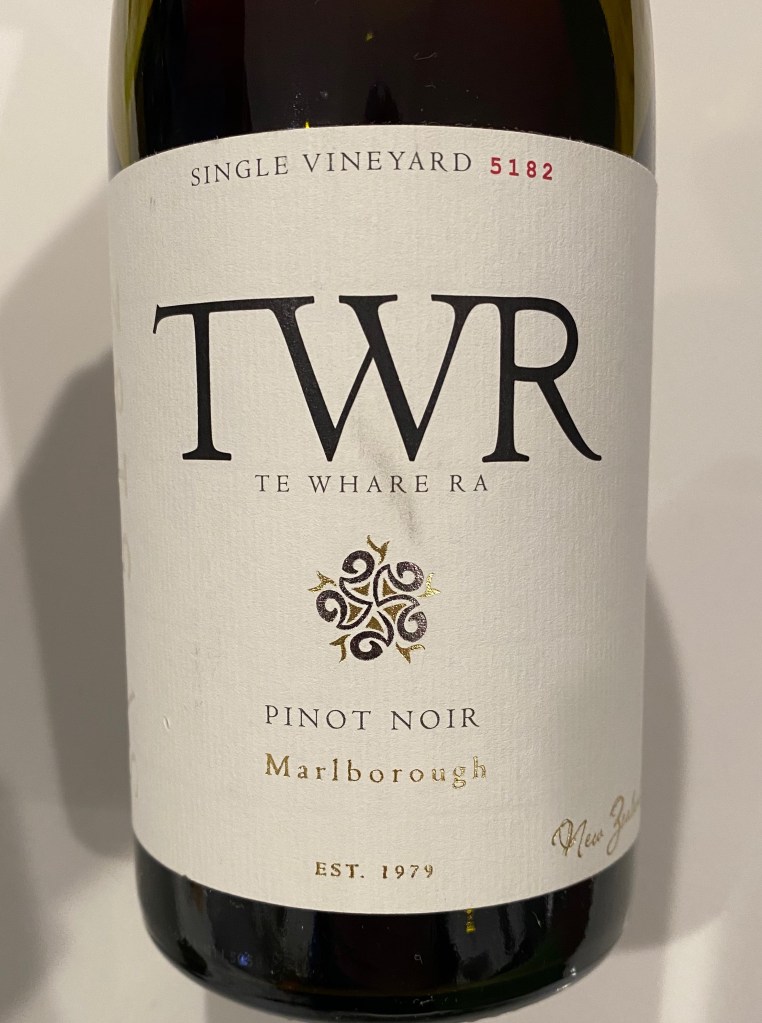
Today’s Wine: 2014 Pinot Noir SV5182

100% Pinot Noir; 13.5% ABV

The 2014 Pinot Noir SV5182 is pale ruby in color and moderately transparent. I simply let this open in the glass for about 30 minutes and the nose showcases aromas of black cherry, raspberry, blue florals, leather, loamy earth, savory herbs, cinnamon, and peppered game. Once on the palate, the wine displays notes of blueberry, black raspberry, ripe cherry, spicy plum, tobacco, forest floor, wet stone, dried green herbs, and violet. This Pinot is medium-bodied with medium acidity, fine-grained medium (-) tannins, and a long finish. 129 cases produced.

Price: $40. This is elegant and of superb quality, while also being a fun exploratory wine since I haven’t had much Pinot Noir from New Zealand. The fact that this is a “natural” wine adds another delightful dimension. Pair this with duck breast, pulled pork, or baked chicken.

Mouthwatering California Sauvignon Blanc

Today’s Story: Spottswoode

Spottswoode traces its roots to 1882 when a German immigrant by the name of George Schonewald and his wife Catherine purchased 31 acres at the foot of the Mayacamas Mountains with the intention of using it for a summer home. The Spottswoode name, however, did not come around until 1910 when Susan Spotts acquired the estate. As Prohibition dawned, the Spottswoode estate fell into disrepair but the family continued to sell grapes to the Christian Brothers Winery which made sacramental wines. The estate remained under ownership of Spotts family descendents until, in 1972, Mary and Jack Novak purchased the estate and moved their family to St. Helena. The Novaks quickly set about expanding with an additional 15 acres and replanted their pre-Prohibition vines to Cabernet Sauvignon, Zinfandel, and Sauvignon Blanc. Jack passed away unexpectedly in 1977, but Mary was determined to continue their dream and completed her first harvest while selling fruit to wineries including Shafer and Duckhorn. In 1982, Mary christened the estate Spottswoode Estate Vineyard & Winery and produced her first Cabernet Sauvignon. Spottswoode started utilizing organic farming methods in 1985 and became certified organic in 1992 by CCOF. Today, Spottswoode remains under the watchful eyes of Mary’s youngest daughter Beth, who joined in 1987, and Mary’s oldest daughter Lindy, who joined in 1992.

To learn more about this historic and award-winning winery, check out their website here. You can browse their portfolio, read about specific farming and winemaking practices, or view pictures of the beautiful grounds and Victorian home which adorns the labels.

Today’s Wine: 2018 Sauvignon Blanc

100% Sauvignon Blanc; 14.1% ABV

The 2018 Sauvignon Blanc is transparent deep straw in color with yellow variation. The expressive nose showcases aromas of Meyer lemon, cantaloupe, golden apple, lime zest, lemongrass, honey, saline mineral, white pepper spice, and cream. On the palate, I get notes of white peach, lemon and lime zest, grapefruit, green apple skins, freshly cut grass, brioche, white florals, and vibrant minerality. This is medium-bodied with high acidity and a lush, fully-rounded mouthfeel leading into a finish that lingers and lingers.

Price: $40 ($35 if you’re lucky). One of the better California Sauvignon Blancs I’ve enjoyed, though I tend more toward France. This bottle is crying for a hot summer’s day, and I’d be curious to try it on such a day with a few more years of bottle age. Pair this with oysters, Dover sole, or grilled chicken salad.

Boutique Syrah for the Explorer

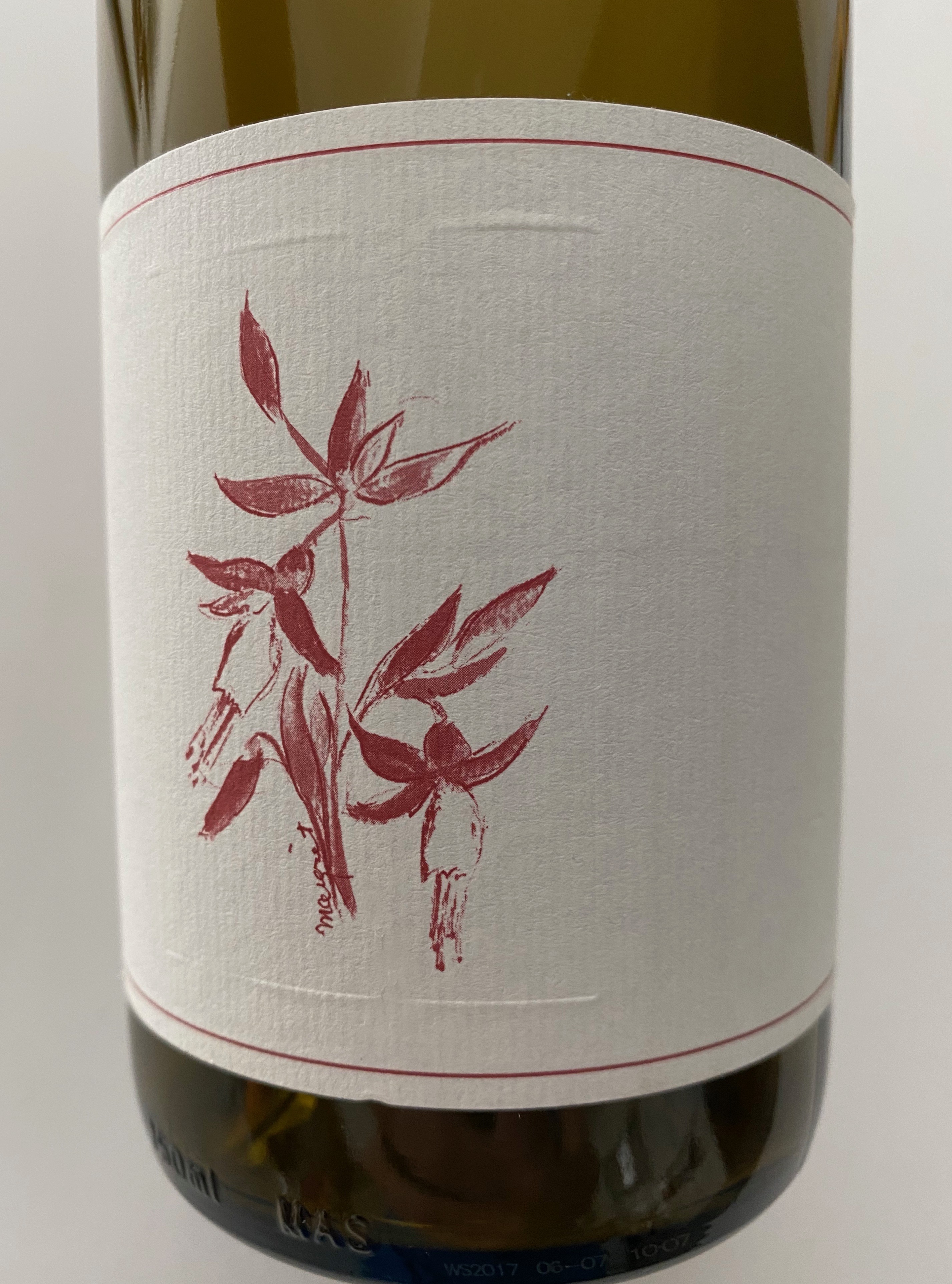
Today’s Story: Arnot-Roberts

Arnot-Roberts is a boutique winery established in 2001 by Duncan Arnot Meyers and Nathan Lee Roberts, two childhood friends who grew up together in Napa Valley. After college, Nathan started working with his father as a cooper of oak wine barrels while Duncan pursued winemaking throughout Napa and Sonoma counties. Arnot-Roberts began with a single barrel of wine the duo produced in their basement and over time grew through the purchase of fruit from renowned vineyards in Napa, Sonoma, El Dorado, and Amador counties as well as the Santa Cruz Mountains. When selecting vineyards, Arnot-Roberts makes sure the farmers are both “passionate and conscientious” because their goal is to produce small quantities of honest, terroir-driven single-vineyard wines which truly express their unique place.

Today’s Wine: 2016 Que Syrah Vineyard

100% Syrah; 12.2% ABV

The Que Syrah Vineyard, planted in 1993 at an elevation of 850 feet, is the oldest planting of Syrah on the Sonoma Coast. This organically-farmed vineyard is composed of sedimentary schist, shale, and fractured mudstone and Arnot-Roberts became the steward of the site in 2013.

The 2016 Que Syrah is mostly opaque medium purple in color heading toward fuchsia at the rim. I decanted this for 1.5 hours and drank it over the following 2 hours. The nose showcases aromas of plum, blueberry, licorice, rocky soil, black olive, green beans, ground herbs, and smoke while screaming of whole cluster fermentation. Once on the palate, this displays notes of brambleberry, black plum, cola, wild blueberry, mild sweet tobacco, crushed rock, ground green pepper, olive, and exotic spice. The wine is medium- to full-bodied with medium acidity, elegant medium tannins, and a long finish. 4 barrels produced.

Price: $70. While not the greatest California Syrah I’ve had, I would be comfortable putting this up with the greatest “natural” California Syrahs I’ve had. While not for everyone, I would suggest the explorers and Syrah lovers looking for something new give this a shot. Pair this with a good burger, herb-roasted lamb, or braised beef.

From Tuscany to Sicily

Today’s Story: Pietro Caciorgna

Pietro Caciorgna is a very small family-owned and operated farm and winery based in Casole d ‘Elsa of the Siena province of Tuscany. Giovanni and Fulvia Caciorgna moved to this countryside location in 1953 with their seven children and set about farming cereals, corn, sunflower, and cattle fodder. Fortunately for us, the family also practiced viticulture for their own consumption which spawned into the wines for purchase today. Having grown their property to 20 hectares, the Caciorgna family farms 2.3 hectares of Sangiovese planted in 2001 on the hill of Osteria delle Macchie in Tuscany and branched into Sicily to produce their Etna Rosso. Pietro and his wife Elda manage the day-to-day of the estate, and their philosophy is to produce quality wines while caring for the environment. For instance, they use zero chemical fertilizers in the vineyards and only copper and sulfur when necessary to produce honest and terroir-driven wines. The family was driven to start a new venture in Sicily in 2006 by none other than Marco de Grazia (behind Tenuta delle Terre Nere) where they purchased a small 0.5 hectare vineyard of Nerello Mascalese before expanding with the purchase of another just over 1 hectare in size. Pietro also purchases some fruit from his neighbors and produces his wines in a small cellar located in Rovittello, yet the drive for quality and terroir-driven wines remains the same.

Today’s Wine: 2016 Guardoilvento Etna Rosso

100% Nerello Mascalese; 13.5% ABV

The 2016 Guardoilvento Etna Rosso is medium garnet in color with ruby hues and moderately opaque. I decanted this for about an hour which allowed the nose to showcase aromas of ripe red cherry, stemmy strawberry, dried raspberry, tomato paste, red rose, leather, dried earth, rocky mineral, and pine. Once in the mouth, this wine displays notes of baked cherry, raspberry, red licorice, red and purple florals, thyme, crushed rock, tobacco, volcanic earth, allspice, and earthy mineral. This is medium-bodied with vibrant medium (+) acidity, medium tannins, and a long finish.

Price: $30. This is an outstanding value and another example of why I love Etna Rosso so much. For those unfamiliar with Etna Rosso and a step deeper the variety Nerello Mascalese, I highly suggest giving them a try. Pair this with pork chops, veal parm, or tomato sauce pasta.

The Proof Is in the Berry

Describing Jayson Woodbridge requires a thesaurus. Passionate is a good word, along with driven, charismatic and hedonistic. You could add exacting, arrogant and volatile. Woodbridge is happy to paint a target on his chest and dare you to shoot if he’s trying to make a point. And he’s always trying to make a point.

Tim Fish, Wine Spectator

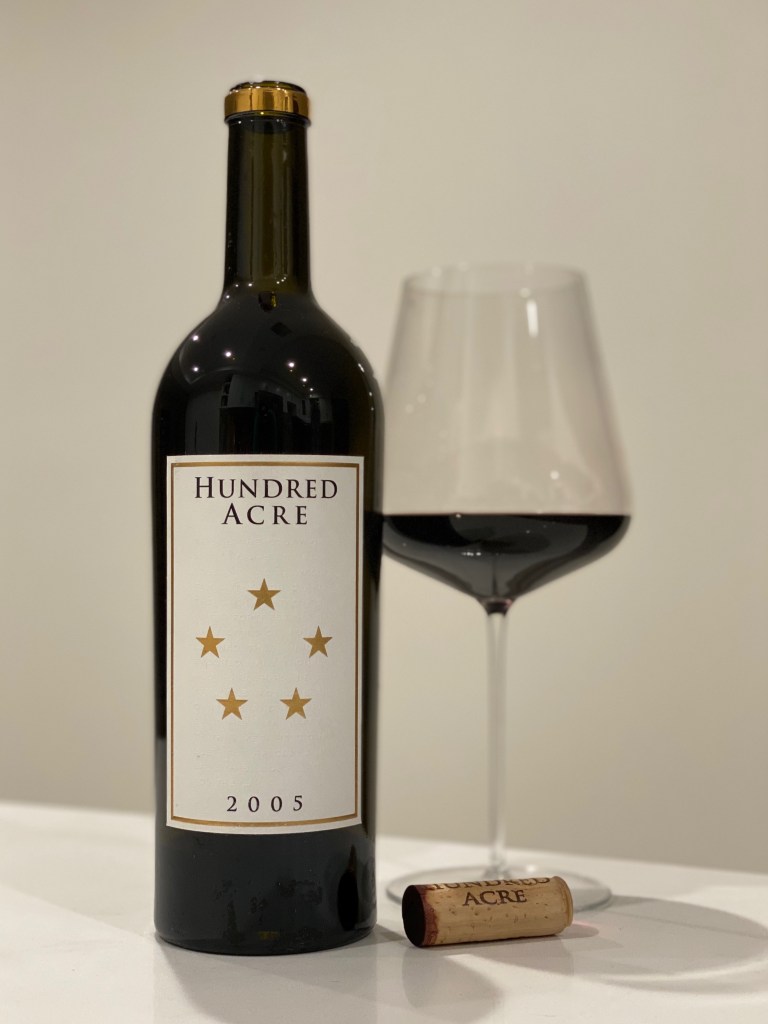
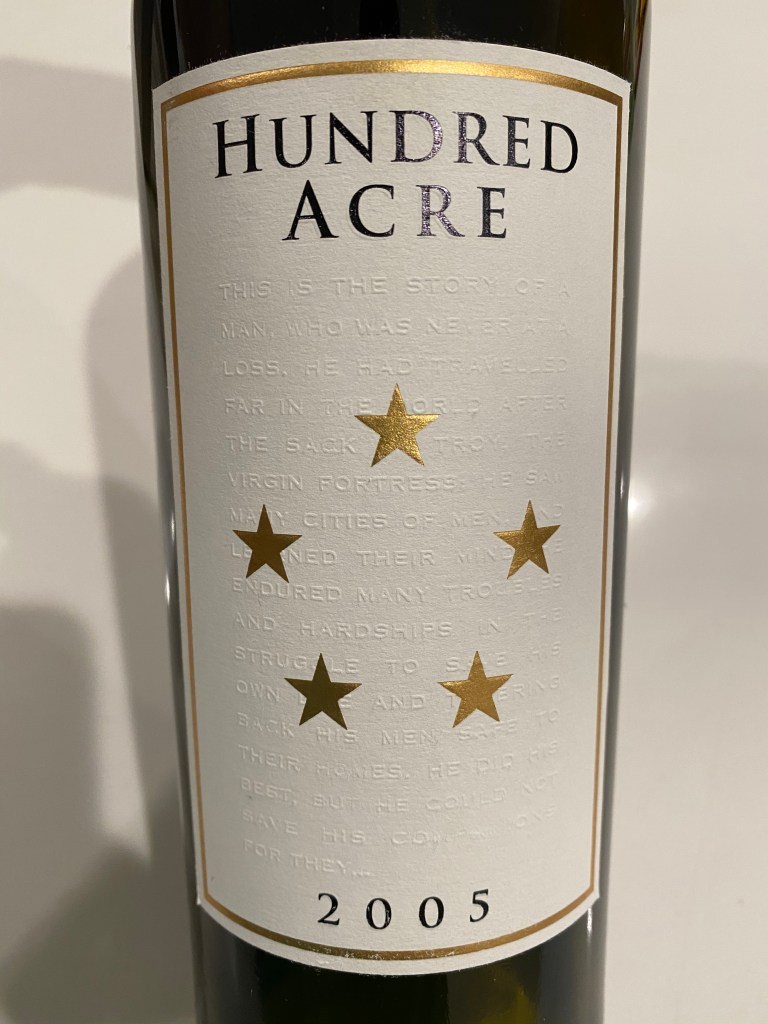
Today’s Story: Hundred Acre

Hundred Acre was established with an inaugural 2000 vintage by owner and winemaker Jayson Woodbridge who endeavored (and to this day endeavors) to create a pinnacle Napa Valley Cabernet Sauvignon. A former investment banker characterized by some as flamboyant, visionary, genius, arrogant, volatile, and contrarian (source – one of many), Woodbridge named his winery for the Kayli Morgan Vineyard’s resemblance to the Hundred Acre Wood from Winnie the Pooh. Childhood cartoons aside, Woodbridge demands utmost precision in farming the vineyards and making his wines where nearly everything is accomplished by hand. The vines are pruned by hand and grapes sorted INDIVIDUALLY by hand under a rockstar team of Philippe Melka (consultant) and Jim Barbour (vineyard manager – think Checkerboard and Blankiet) but ultimately the buck stops with Woodbridge. To gain more insight into this producer of more than one dozen 100-point wines, you’ll simply need to sign up on the waiting list (which reportedly spans longer than 5 years) here.

Today’s Wine: 2005 Ancient Way Vineyard Summer’s Blocks Shiraz

100% Shiraz; 15.5% ABV

The 2005 Ancient Way Summer’s Blocks is opaque deep garnet in color with deep ruby/purple hues. I decanted this for 1.5 hours and drank it over the following 2 hours. The remarkably youthful nose showcases aromas of juicy black plum, black raspberry, baked wild strawberry, fig, coconut, black licorice, cigar box, cinnamon, nutmeg, and vanilla. I am surprised there isn’t any heat on the nose given the high ABV. Once in the mouth, this elegant wine displays notes of blackcurrant, jammy blackberry, black plum, bing cherry, anise, sweet tobacco, gingerbread, chocolate, black olive, and savory herbs. This is medium- to full-bodied and incredibly well-balanced with medium (+) acidity, velvety medium (-) tannins, and a long finish. What is truly impressive here is the utter silkiness of the mouthfeel; I don’t think any wine I’ve had compares.

Price: $150. Considering the Hundred Acre Cabs go for $500+ per bottle I was excited to try their Shiraz for this price and it is absolutely worth it. On paper, this doesn’t seem like my style of wine but I couldn’t help but nearly gulp this down. Pair this with balsamic glazed duck breast, roasted leg of lamb, or mature hard cheese.

Remarkable Quality (and Value) From Lebanon

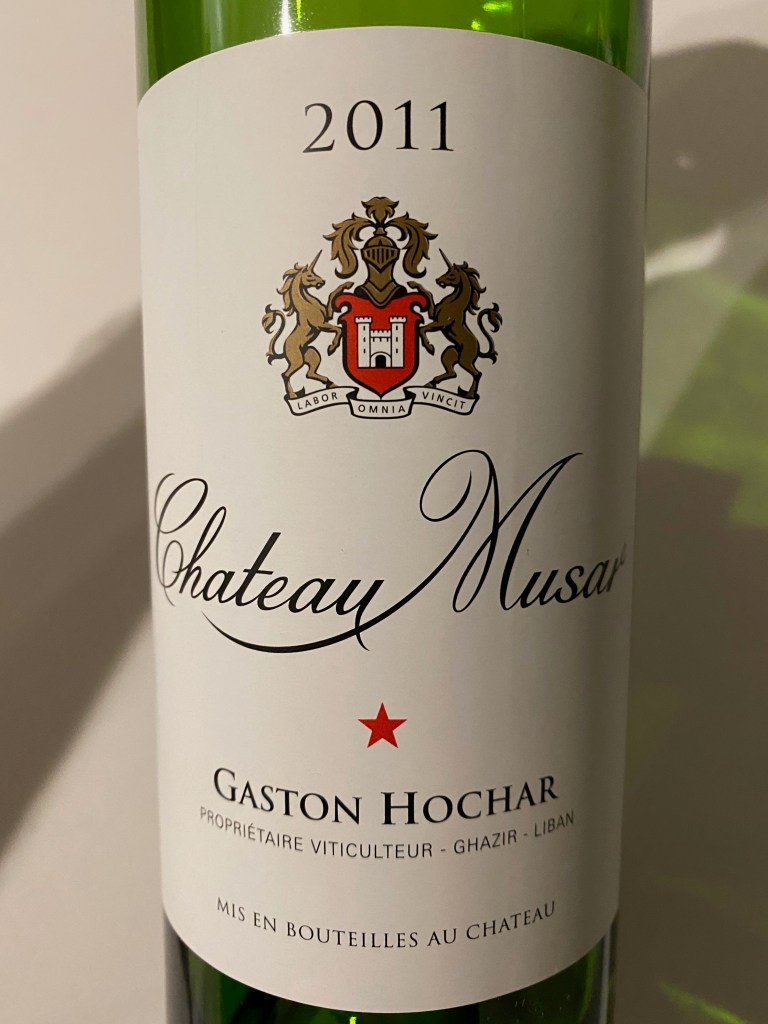
Today’s Story: Chateau Musar

Chateau Musar was established in 1930 in the Bekaa Valley of Lebanon by Gaston Hochar when he was 20 years old. Inspired by his travels throughout Bordeaux and the 6,000-year-old winemaking history of Lebanon, Gaston set about producing wines with a non-interventionist philosophy and planted Cabernet Sauvignon, Carignan, and Cinsault for his reds in high-altitude gravel and limestone soils. During WWII, Major Ronald Barton of Château Langoa-Barton and Leoville-Barton was stationed in Lebanon and became friends with Gaston which strengthened the tie to Bordeaux and exists to this day. In 1959, Gaston’s eldest son Serge took over winemaking after studying at the University of Oenology in Bordeaux and started making wines “his own way.” Shortly thereafter, in 1961, Gaston’s second son Ronald joined the family business to handle the financial and marketing aspects. Serge was named Decanter Magazine’s first ‘Man of the Year’ in 1984 thanks to his steadfast production of quality wines during Lebanon’s Civil War (1975-1990) and the brand continued to build upon international fame for its elegance and quality. In 1994, Serge’s son Gaston joined the winery and was accompanied later in 2010 by his brother Marc. The two manage the estate together today with Gaston running the winery operations and Marc running the commercial aspects.

Chateau Musar became Lebanon’s first certified organic winery in 2006 and their wines spend a remarkable 7 years at the winery before release. The red wines are fermented in separate cement vats, racked 6 months after harvest, aged for 12 months in French Nevers oak barriques, and bottled without filtration at the end of the third year after harvest before the blend is aged an additional 3-4 years before release. The white wines also ferment in Nevers oak barrels for 6-9 months but are bottled after their first year and spend 6 years in the cellars before release.

Today’s Wine: 2011 Chateau Musar Rouge

Roughly equal parts Cabernet Sauvignon, Carignan, and Cinsault; 13.5% ABV

The 2011 Musar is opaque deep ruby in color. I decanted this for about an hour and drank it over the following hour. The nose showcases aromas of blackberry, plum, black cherry, anise, cigar box, forest floor, slight barnyard, exotic spice, and faint smoke. Once in the mouth, this displays notes of redcurrant, juicy plum, dusty cherry, black raspberry, worn leather, tobacco, dried earth, crushed rock minerality, baking spice, and black pepper. The wine is medium- to full-bodied with medium (+) acidity, tight-knit and dusty medium tannins, and a medium (+) length finish.

Price: $50. Chateau Musar is always one of my favorite wines to buy in the $50 price-point because they offer incredible value and the opportunity to explore a wine region I wager most people haven’t experienced. These wines are also incredibly cellar-worthy. Pair this with peppercorn-seasoned steak, venison, or mature cheeses.