Exploring a Red From a Legendary Producer of White Burgundy

Today’s Story: Domaine Jean-Claude Ramonet

Domaine Ramonet was established in Chassagne-Montrachet in the late 1920s by Pierre Ramonet, and quickly became one of the preeminent producers of white Burgundy. The 1934 Ramonet Chassagne-Montrachet Premier Cru Ruchottes, for instance, was the first estate-bottled white Burgundy imported in the US and catapulted the domaine to international fame and admiration. Ramonet remained one of the most highly-sought producers throughout the 20th century, until issues with premature oxidation damaged their status like many other producers in the mid to late 1990s. The domaine ultimately passed to Pierre’s son André until he passed away in 2011, and then to Pierre’s grandchildren Noël and Jean-Claude who worked in the vineyards since 1984. Since 2013, Domaine Ramonet labels bear Jean-Claude Ramonet alone following Noël’s semi-retirement and his wines, particularly the whites, remain a force to be reckoned with.

In the vineyards, Ramonet likes to work with older vines and keep his yields low. Most of the wines are produced from vines 12 to 50 years old, though they typically like to use vines 18 years or older. The domaine’s vinification practices are traditional in nature, with the whites starting in tanks before transfer to French oak barrels and the reds in cement vats for maceration and fermentation. New oak usage varies by wine and vintage, with the whites typically seeing 10-15% for village wines, 30-40% for 1er Crus, and 50%+ for the Grand Crus. Reds typically see 10-20% new oak for village wines and 30-40% for 1er Crus. None of the white wines are bottled fined or filtered.
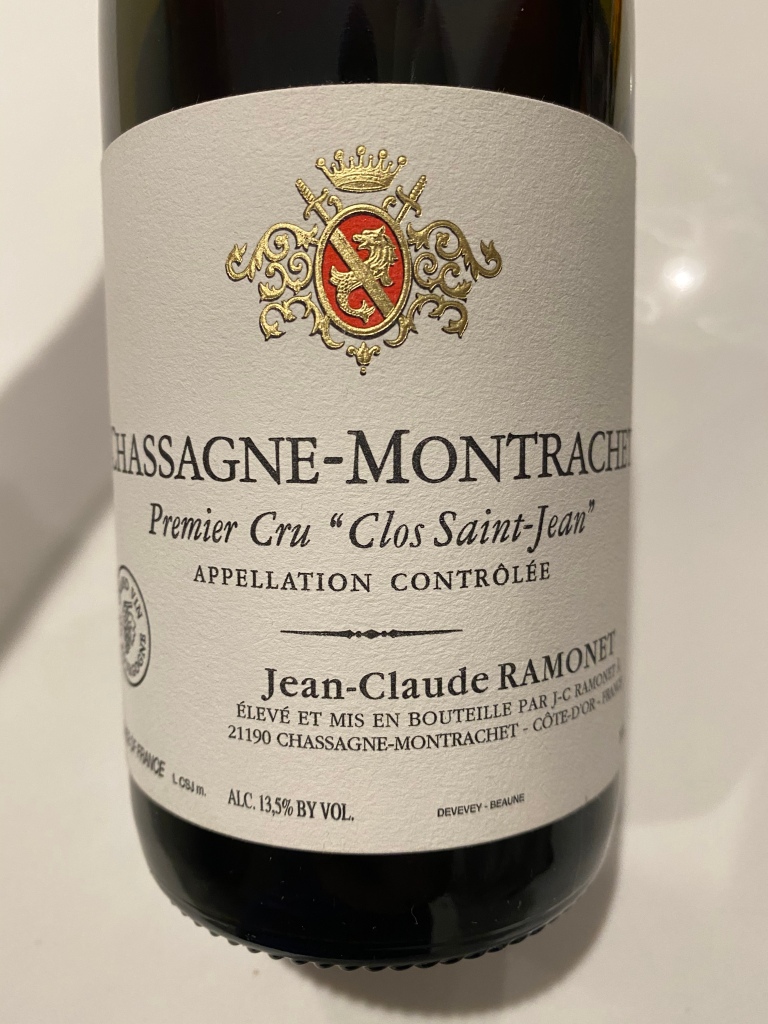
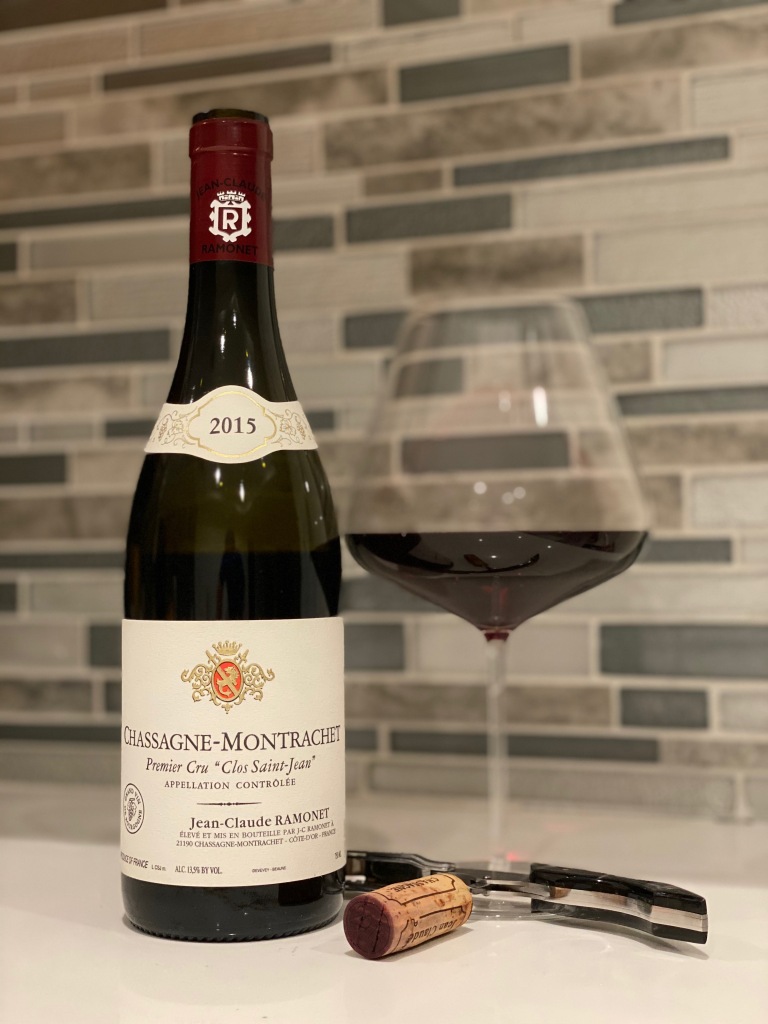
Today’s Wine: 2015 Chassagne-Montrachet 1er Cru Clos Saint-Jean

100% Pinot Noir; 13.5% ABV

The 2015 Clos Saint-Jean is pale to medium ruby in color and moderately transparent. Once this opens up in the glass, the nose showcases aromas of black cherry, black raspberry, lavender, raw leather, slight barnyard, black tea, cinnamon, rosemary, and mineral. There is some slight heat as well. On the palate, I get notes of red plum, cranberry, black cherry, tobacco, forest floor, charred herbs, underbrush, chalky minerality, and blood. This is light- to medium-bodied with medium (+) acidity, medium (-) tannins, and a medium (+) length finish. Not as balanced as the 2014 vintage I had in November, 2019.

Price: $100. This is not a bad price, but I can’t go as far as saying this is a good value because there are many outstanding Red Burgundy options at or less than $100. That being said, I’d be curious to try this again in a few years. Pair with seared duck breast, herb-crusted lamb, or mushroom stroganoff.
Beautifully Refreshing Bourgogne Blanc

Today’s Story: Domaine Pierre Boisson

Domaine Pierre Boisson is one of three family domaines who all work together and make their wines in the same cellar located in Meursault. Pierre, alongside his father Bernard (Domaine Boisson-Vadot) and sister Anne (Domaine Anne Boisson) watches over the family domaine which encompasses 8.5 hectares primarily situated in Meursault but with smaller holdings in Auxey-Duresses, Monthelie, Pommard, and Beaune. The family doesn’t use any chemical fertilizer or pesticides in their vineyards and, at time for harvest, everything is accomplished manually. Pierre, like Bernard and Anne, practices traditional Burgundian winemaking methods and accomplishes fermentation using only native yeasts. Though the wines will see some new oak (typically never more than 25-30% for the high-end and lower for village bottlings), there is no set percentage and it varies vintage to vintage and wine to wine with the goal of never masking a wine’s true character. All wines are bottled unfiltered at the domaine.

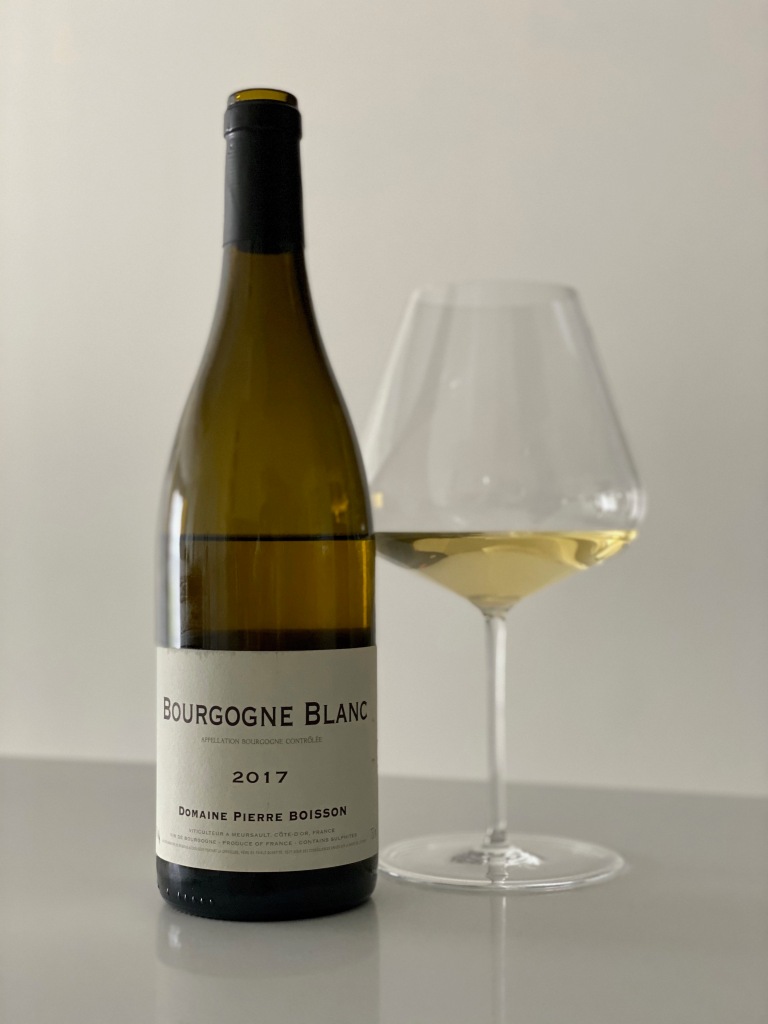
Today’s Wine: 2017 Bourgogne Blanc

100% Chardonnay; 13% ABV

The 2017 Bourgogne Blanc is a beautiful pale gold in color with hues of straw and water white. On the nose, this emits aromas of lemon zest, white peach, pear, tangerine, white florals, hazelnut, saline minerality, and light oak. Once on the palate, this displays notes of lemon and lime zest, green apple skins, golden pear, tropical citrus, honeysuckle, saline mineral, and dried vanilla bean. The wine is medium-bodied with vibrant high acidity into a crisp and refreshing finish.

Price: $40 (much cheaper in Europe). I thought this was an outstanding value for White Burg and this bottle was perfect for the hot weather I enjoyed with it yesterday. Pair this with roasted chicken, Dover sole, or crab.

Textbook Aged Barolo From a Monumental Vintage

Today’s Story: Piero Testore

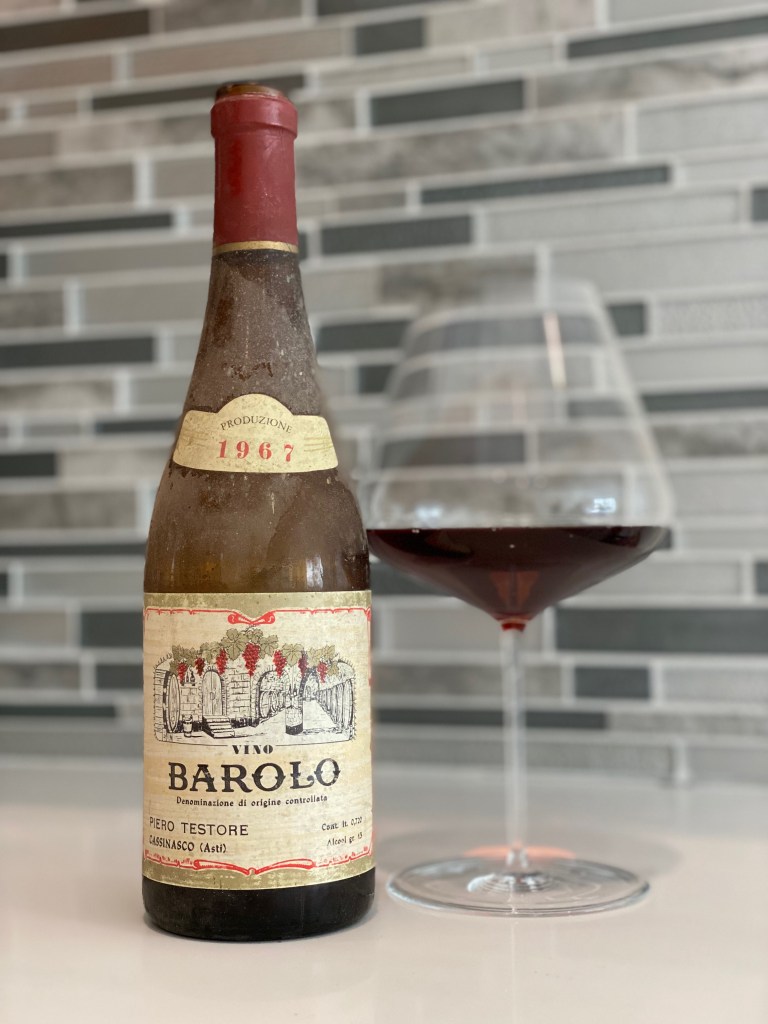
Unfortunately, today’s producer is another that, no matter how hard I try, does not appear to have a searchable history. I once again found accords of a select few enjoying the wines of Piero Testore, which according to CellarTracker consist of 1967 and 1974 vintages of Barolo. I’m sure there is more out there somewhere, so if anyone knows about the history of Piero Testore please let me know!

Today’s Wine: 1967 Barolo

100% Nebbiolo; 13% ABV

The 1967 Barolo is pale tawny in color holding onto pale ruby in the bowl of the glass. This certainly needed some time to breathe and really started to show well after 4 hours decanting. On the nose, I get dominating aromas of forest floor, earthy mushroom, and musty cellar before a beautiful bouquet of stewed cherry, dried rose, anise, dried herbs, tea leaves, tar, and cinnamon. On the palate, this displays notes of dried cherry, stemmy raspberry, dried-out licorice, dried rose, mild tobacco, truffle, sous bois, and light peppery spice. Beautifully aged, this Barolo is medium-bodied with medium acidity, integrated medium (-) tannins, and a medium length finish.

Price: I paid $60, though I’m not sure what the market value of this is/should be. I’m certainly glad I took the chance on this bottle because once it opened up, it was not only fun but incredibly enjoyable. It doesn’t hurt that the 1967 vintage for Piedmont is one of the excellent, milestone vintages. Pair this with filet mignon, veal, or white Alba truffles.

A Journey for the Mind and Palate

Today’s Story: Jolie-Laide

Established by Scott Schultz, Jolie-Laide is a small, boutique winery crafting wines in Forestville, California. Jolie-Laide is a French term of endearment for something unconventionally beautiful that translates to “pretty-ugly,” and Scott decided to use it in naming his winery following experiences in the restaurant business. When he worked at Bouchon in Yountville, Scott realized that the majority of people didn’t seem to explore the wine list but rather stick to Chardonnay, Pinot Noir, or Cabernet Sauvignon. He thought this was a travesty of sorts, given the wonderful varieties including Gamay, Valdiguié, Vermentino, or Trousseau Gris. Eventually Scott transitioned out of the restaurant business and found himself working alongside Pax Mahle, a wildly skilled winemaker in his own right. One year, Pax allowed Scott to make a wine of his own using 1-2 tons of fruit and he decided to use none other than Trousseau Gris because of how fascinating of a variety it is to him. Alas, Jolie-Laide was born and continues to produce magnificent and wildly fun wines today.

When it comes to sourcing his fruit, Scott works with farmers he has known for years who largely follow organic practices and work incredibly unique sites. After harvest, all of the Jolie-Laide red fruit is foot crushed and left whole cluster with some of the varieties (like Gamay) seeing carbonic maceration. Thanks to Scott’s selection of incredible sites, he can be pretty hands-off during the rest of the winemaking process and let the terroir and fruit speak for itself. Jolie-Laide lets their wines ferment naturally and, instead of using temperature control, says “we stick things in the sun if we need to get them warm” (source). Furthermore, Scott adds little SO2 when necessary in part because his wines tend to be bottled young to both preserve freshness in the fruit and provide barrels for the following year’s harvest.

Today’s Wine: 2016 Provisor Vineyard Grenache

100% Grenache; 12.8% ABV

The 2016 Provisor Vineyard Grenache is pale ruby/garnet in color and moderately transparent. I drank this over 4.5 hours (don’t ask me how I restrained myself) and it is remarkable how drastically this picked up weight over time. The nose showcases aromas of candied strawberry, juicy raspberry, black cherry, red licorice, sweet tobacco, granite, oregano, and cinnamon. Once on the palate, the wine displays notes of muddled strawberry, tart red raspberry, candied plum, anise, tobacco, dark leather, crushed rock, green herbs, and peppery spice. This is medium- to full-bodied with medium (+) acidity, medium (+) tannins, and a long finish. While this started off thin and falling off by mid-palate, my patience was handsomely, handsomely rewarded.

Price: $38. Buy it. All I can say is if you can find this bottle close to the price, it is supremely worth the adventure. If you do though, and haven’t taken heed of my commentary above, I implore you once again to give this air. Pair with braised pork, wild boar, or smoked charcuterie.

Elegant Pinot Noir From Santa Barbara County

Today’s Story: Chanin Wine Co.

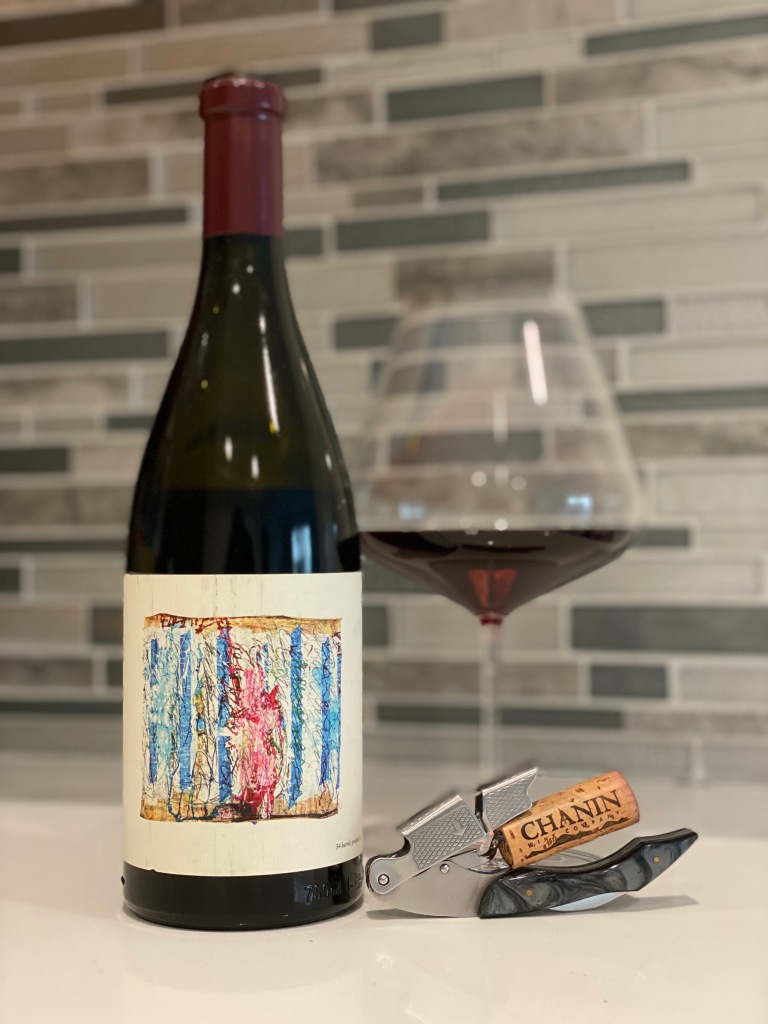
Chanin Wine Co. was established in 2007 by winemaker Gavin Chanin, and his goal is to produce single vineyard Pinot Noir and Chardonnay from Santa Barbara County. Gavin selected the vineyards to source his fruit based on their organic (or at minimum sustainable) farming practices while also seeking older vines. The current vineyard selections include Sanford & Benedict in the Sta. Rita Hills, Los Alamos between the Santa Maria and Santa Ynez Valleys, Bien Nacido in the Santa Maria Valley, and Duvarita just west of the Sta. Rita Hills. Gavin eschews higher alcohol levels in his wines to foster balance and finesse, while practicing gentle winemaking methods and avoiding additives such as commercial yeasts, bacteria, and enzymes. All of Chanin’s wines are bottled unfiltered.

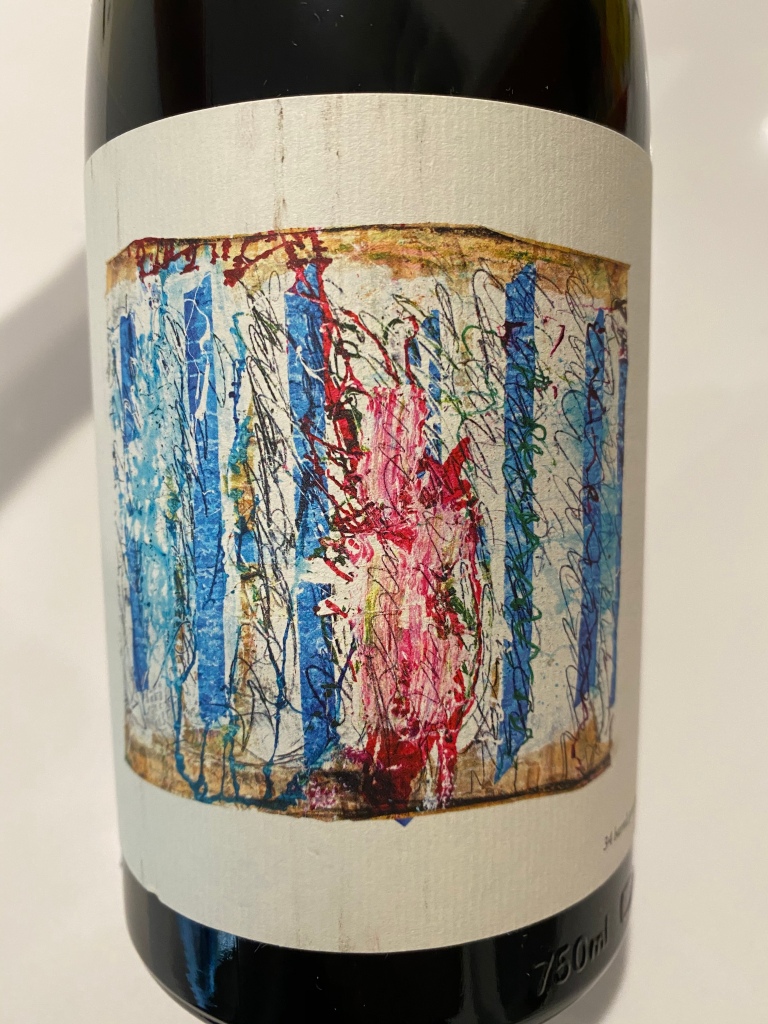
Fun Fact: The artwork featured on Chanin’s labels is Gavin’s own.

Today’s Wine: 2014 Duvarita Vineyard Pinot Noir

100% Pinot Noir; 13.28% ABV

The 2014 Duvarita Vineyard Pinot Noir is pale ruby in color and moderately transparent. Once this opens up, the nose showcases aromas of strawberry, red cherry, rosehip, leather, tobacco, loamy earth, smoked game, green herbs, and exotic spice. On the palate, this displays notes of bright red cherry, muddled strawberry, black raspberry, violet, worn leather, charred earth, stemmy underbrush, and cracked pepper. Light- to medium-bodied with a velvety mouthfeel, medium (+) acidity, medium (-) tannins, and a medium (+) length finish. 34 barrels produced.

Price: $50. Not really the style I was expecting, as this reminds me of a Kosta Browne or Williams Selyem, but this is certainly a delicious Pinot Noir. This is very well-made and the lower alcohol content does seem to help bring out the elegance and finesse of the wine. Pair this with seared tuna, grilled quail, or herb-roasted chicken.

Natural Valdiguié That Nearly Left Me Speechless

Today’s Story: Broc Cellars

Broc Cellars, located in Berkeley, California, is a boutique winery established by winemaker and owner Chris Brockway. Though Chris purchases the fruit for his wines, he ensures that all of it comes from sustainably or organically farmed vineyards (often managed by him) where the use of synthetic pesticides, herbicides, fungicides, or fertilizers is eschewed. In crafting his wines, he utilizes spontaneous fermentation where only natives yeasts and bacteria reign supreme without any additives. Chris doesn’t add any nutrients, enzymes, or tannins to his wines and adds zero to minimal SO2 depending on the wine. For his varieties that range from Chenin Blanc and Chardonnay to Nero d’Avola and Valdiguié, Chris sources fruit from Mendocino, Sonoma, and Solano counties as well as Alexander Valley and beyond.

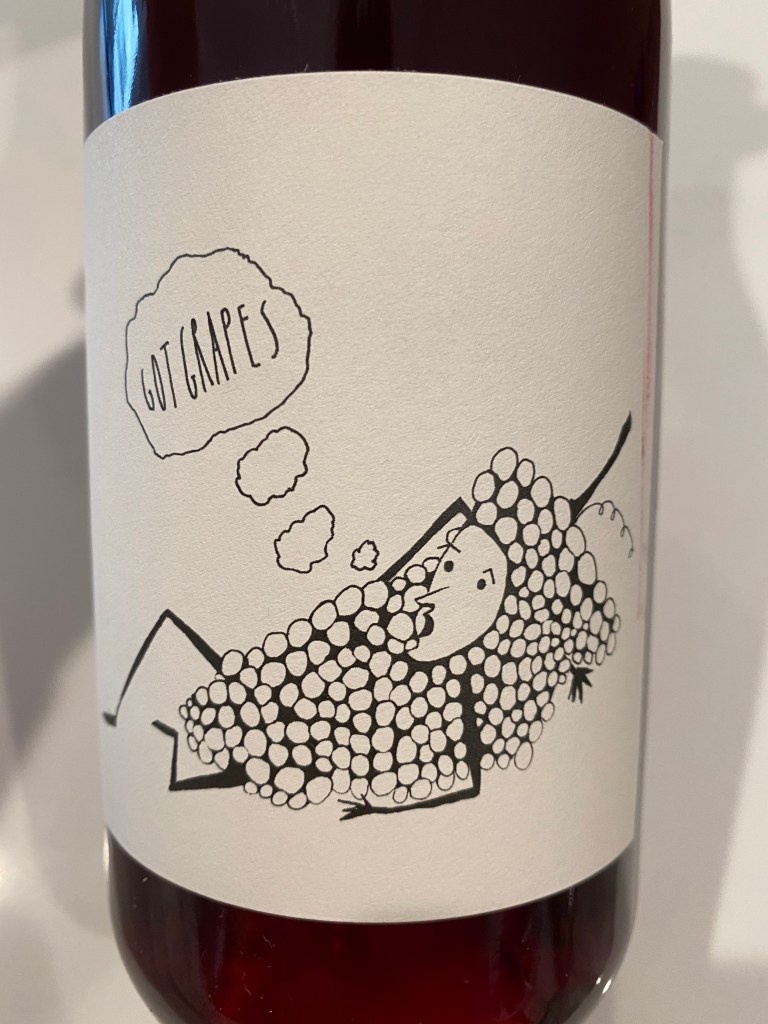
Today’s Wine: 2018 Got Grapes

100% Valdiguié; 11.5% ABV

The 2018 Got Grapes is pale purple in color and moderately opaque. I simply let this open in the glass with the nose showcasing aromas of cranberry, dried raspberry, red and purple florals, slight barnyard, wet sand, steel cut oats, eucalyptus, and rocky mineral. Once on the palate, this delicious wine displays notes of crunchy red raspberry, strawberry, pomegranate, rocky soil, stemmy underbrush, tobacco leaf, black pepper, and mineral. This is light- to medium-bodied with gorgeous medium (+) acidity, medium (-) tannins, and a medium (+) length finish. This Valdiguié is sourced from two dry farmed vineyards in Mendocino County, and the fruit is destemmed and fermented on the skins before being pressed into tanks to complete fermentation and aged for 6 months in neutral French oak barrels. 400 cases produced.

Price: $27 direct from winery (I snagged it for $24). This is not a wine for every palate but it is not too far out there by any means for those who want to explore a naturally-made wine. For me, I thought this was absolutely fantastic and for its price not only of supreme quality and delicious but certainly fun. Pair this with roasted chicken, grilled salmon, or charcuterie and hard cheeses.

Perplexing and Fun California White Blend

Today’s Story: Dirty & Rowdy Family Winery

I previously wrote about Dirty & Rowdy when reviewing their 2018 Familiar Mourvèdre in Wildly Fun California Mourvèdre, but I will recreate their story below.

Dirty & Rowdy is a small, family-operated winery founded in 2010 by couples Hardy & Kate and Matt & Amy with the goal of producing minimal intervention “honest wines.” Known for their range of Mourvèdre bottlings, Dirty & Rowdy also produces Petite Syrah, Chenin Blanc, and blends that include a GSM and Semillon-dominant white almost all with 100% whole cluster native fermentation, either zero or minimal SO2 added, and no filtering or fining when bottled. Dirty & Rowdy sources their fruit from vineyards in Mendocino, Monterey, Contra Costa, El Dorado, and Amador Counties, with most vineyards organically farmed or at a minimum “responsibly” farmed and unique.

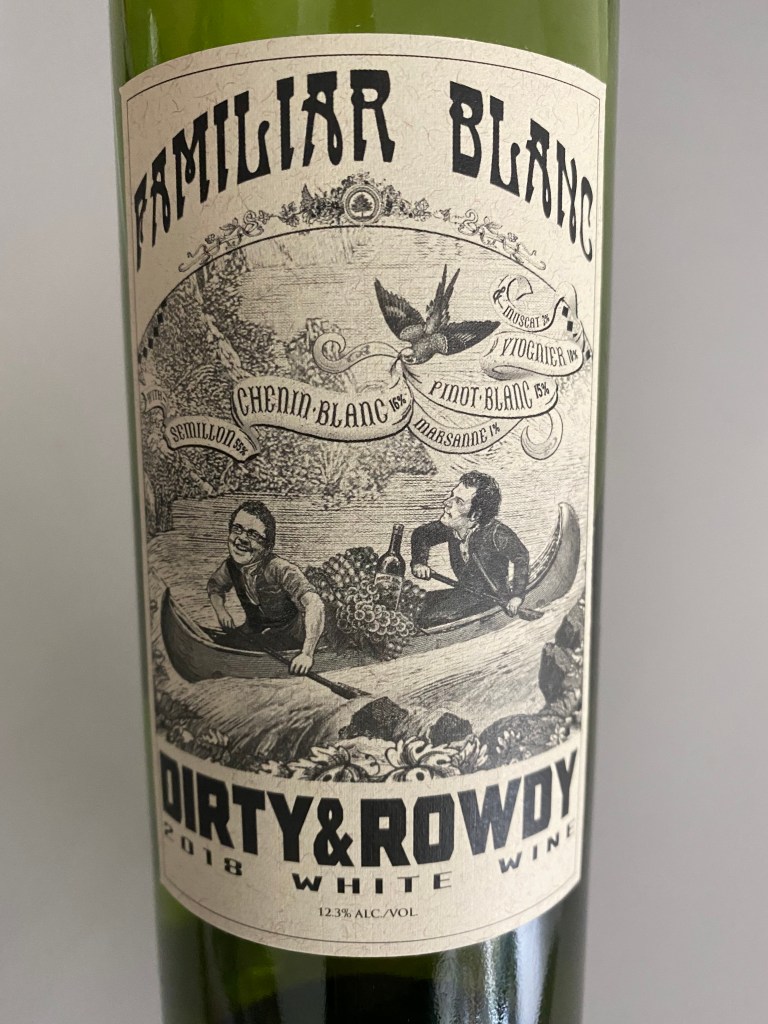
Today’s Wine: 2018 Familiar Blanc

55% Semillon, 16% Chenin Blanc, 15% Pinot Blanc, 10% Viognier, 3% Muscat, 1% Marsanne; 12.3% ABV

The 2018 Familiar Blanc is gorgeous medium gold/yellow in color and completely transparent. The delicate nose emits aromas of melon, peach, tropical citrus, white florals, straw, chamomile, and saline mineral. Once in the mouth, this easy drinking wine displays notes of pear, golden apple skins, lemon zest, grapefruit, honeysuckle, white pepper, stone minerality, and wax. This is medium-bodied with vibrant medium (+) acidity and a fully-rounded mouthfeel into a medium length finish. The wine is produced with 60% whole cluster and 40% skin native fermentation with no winemaking additives and minimal SO2.

Price: $30. Similar to my experience with the Dirty & Rowdy Familiar Mourvèdre I reviewed a few weeks ago, this is a thoroughly enjoyable and fun wine. Pair this with shellfish, roasted pork, or Manchego cheese.

Elegant Bottling From a Historical Spring Mountain Estate

Today’s Story: Spring Mountain Vineyard

Spring Mountain Vineyard is a large estate and winery comprised of what used to be three unique properties, each with their own vineyards and wineries. Spring Mountain Vineyards (Miravalle) consisted of 257 acres, Chateau Chevalier (Chevalier) of 120 acres, and Draper Vineyards (La Perla) of 435 acres before being combined. La Perla is the uppermost and oldest portion of today’s estate, established in 1873 by Charles Lemme and home to the first Cabernet Sauvignon planted on Spring Mountain. La Perla expanded from 285 acres to 435, largely thanks to the addition of the vineyard just below it planted by Fredrick and Jacob Beringer in 1882. To the north of Beringer’s vineyard was Chateau Chevalier, whose winemaking presence began in 1891, and next door was Miravalle. To learn more about these historic estates and their eventual culmination into Spring Mountain Vineyard, check out the website here. Today, SMV consists of 850 acres on the eastern slopes of Spring Mountain with roughly 226 acres planted to vine that are broken into 135 small vineyard blocks.

Whether or not you check their website regarding the three original properties linked above, I highly recommend browsing their intensely-detailed winemaking page here and the equally intensive vineyard page here. Though there is far too much detail for me to delve into here, I will try to highlight that the vines are very densely planted to reduce yields and produce concentrated, naturally ripened fruit while utilizing sustainable practices. In the cellar, Spring Mountain Vineyard separates their vineyard lots, ferments using only natural yeasts, usually bottles the wines unfined, and adds minimal SO2. The winery is also incredibly proud of their 100% estate bottling process.

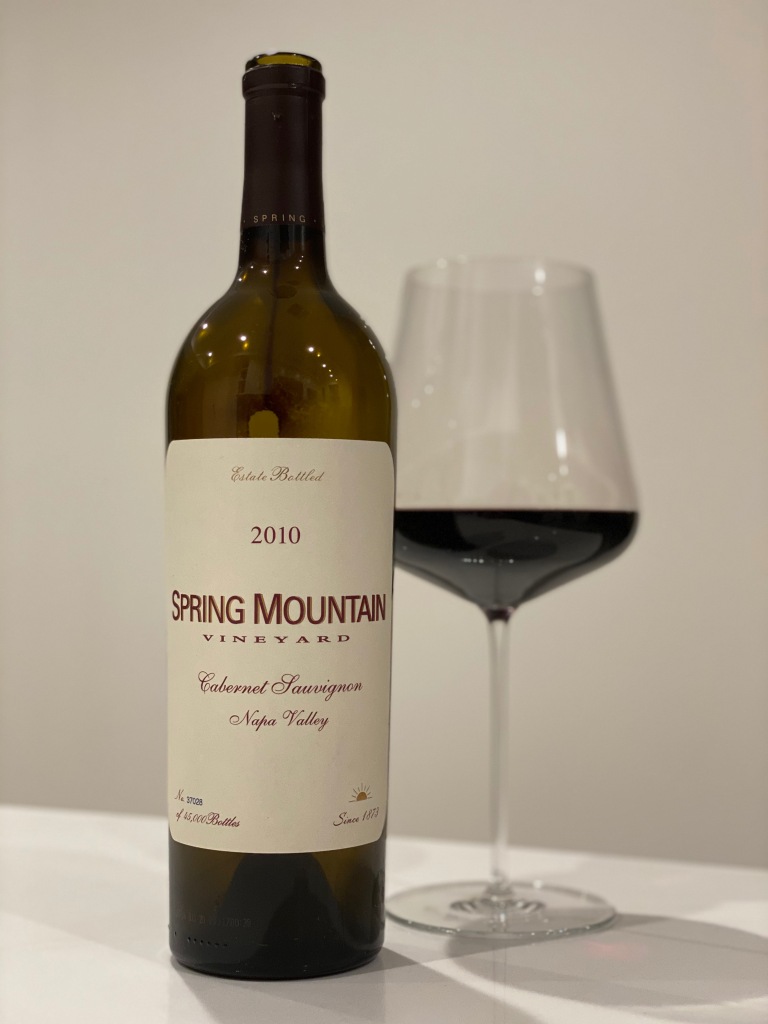
Today’s Wine: 2010 Estate Cabernet Sauvignon

76% Cabernet Sauvignon, 10% Merlot, 6% Petit Verdot, 5% Cabernet Franc, 3% Malbec; 13.6% ABV

The 2010 Estate Cabernet Sauvignon is opaque deep ruby in color. I decanted this for 2 hours and drank it over the following 2 hours. The nose showcases aromas of blackberry, plum, ripe blueberry, black raspberry, tobacco, loamy earth, black pepper, slight baking spice, and mocha. Once on the palate, this beauty displays notes of blackcurrant, juicy plum, black cherry, pipe tobacco, charred earth, gravel, coffee grounds, ground herbs, and chocolate. This is full-bodied with medium (+) acidity, refined medium tannins, and a long finish. Supremely elegant and well-crafted.

Price: $150 direct from winery (but I got this at an absolute STEAL of $50 at a Los Angeles wine store). $150 is probably pushing it on a value perspective, but at $100 or less this is a must-try. The quality and elegance of this wine is truly living up to the estate’s name. Pair this with filet mignon, lamb, or charcuterie and cheese.

Beautiful Expression of Priorat

Today’s Story: Terroir al Límit

Terroir al Límit was established in 2001 by Dominik Huber and Eben Sadie when the duo purchased fruit from the Perez family of the Mas Martinet winery and vinified their first Dits del Terra. In 2003, they acquired their own wine cellar in the village of Torroja del Priorat and quickly set about purchasing more fruit and releasing new wines. Since the beginning, Dominik’s goal is to produce terroir-driven wines utilizing ancient Burgundian winemaking traditions and he took this a step further by practicing organic and biodynamic viticulture, minimal intervention, whole cluster fermentation, and concrete or amphora aging. The painstaking manual process in the vineyards (save for assistance from a mule named Frida) coupled with Dominik’s winemaking philosophy yields wines of beautiful elegance meant for “enjoying in the company of family and friends.” To explore this incredible winery further, check out the website here.

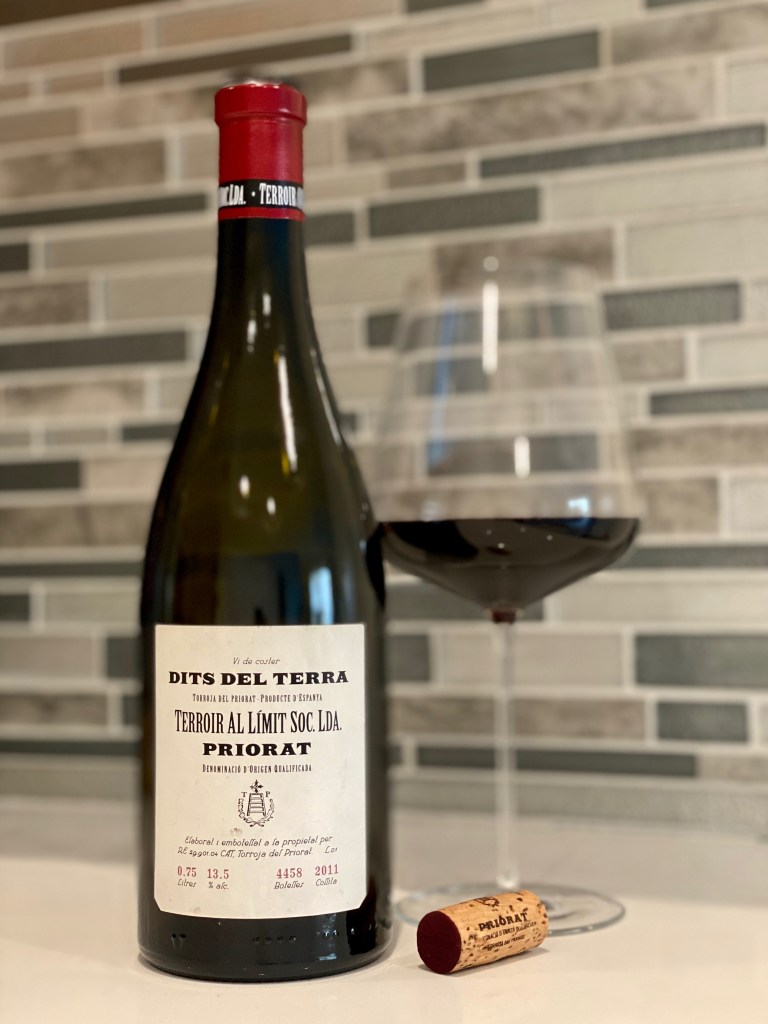
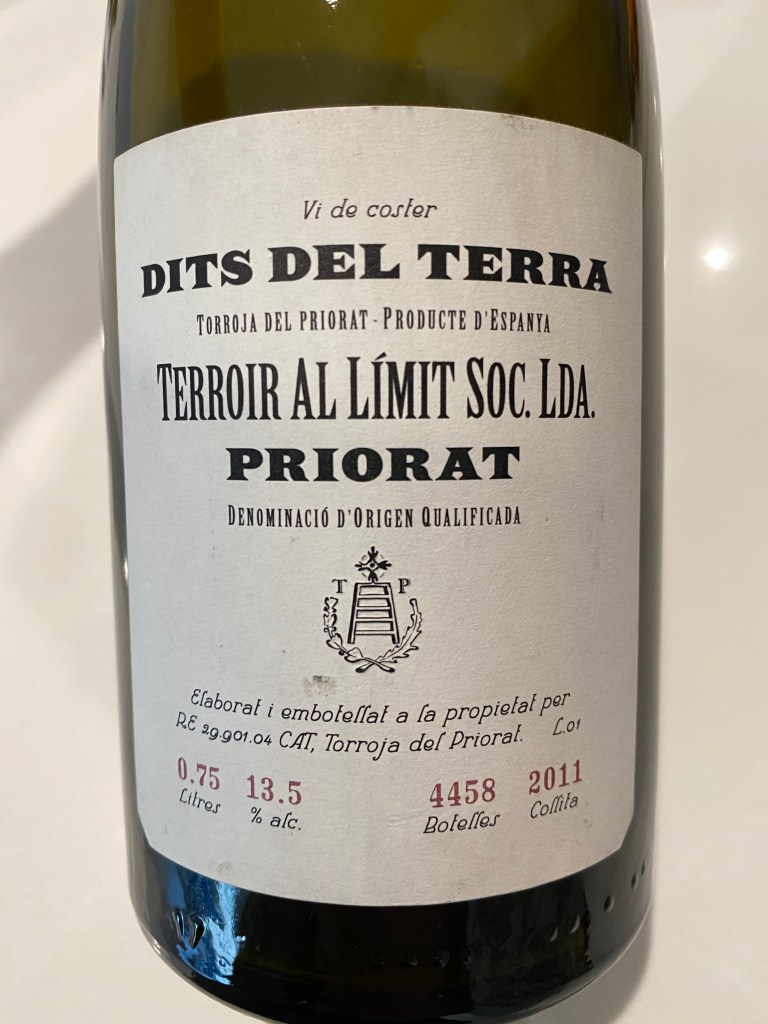
Today’s Wine: 2011 Dits del Terra

100% Carignan (85-year-old vines at 400m elevation); 13.5% ABV

The 2011 Dits del Terra is mostly opaque and medium ruby in color. This requires an hour in the decanter which allows the nose to blossom with aromas of dried cranberry, raspberry, black cherry, rose, cured meat, tobacco, earthy mushroom, forest floor, and crushed rock. Once this hits the palate, it displays notes of cranberry, strawberry, raspberry, licorice, dried tobacco leaf, dried loamy earth, baking spice, ground green herbs, and slate. The 2011 Dits del Terra is beautifully balanced and medium-bodied with medium (+) acidity, medium tannins, and a long finish. 4,458 bottles produced.

Price: $80. Terroir al Límit produces my favorite wines that I’ve had from Priorat and, while not inexpensive, provide the quality and elegance to justify it. Pair this with turkey and cranberry sauce, venison, or herb-roasted lamb.

Elegant New Zealand Pinot Noir

Today’s Story: Te Whare Ra

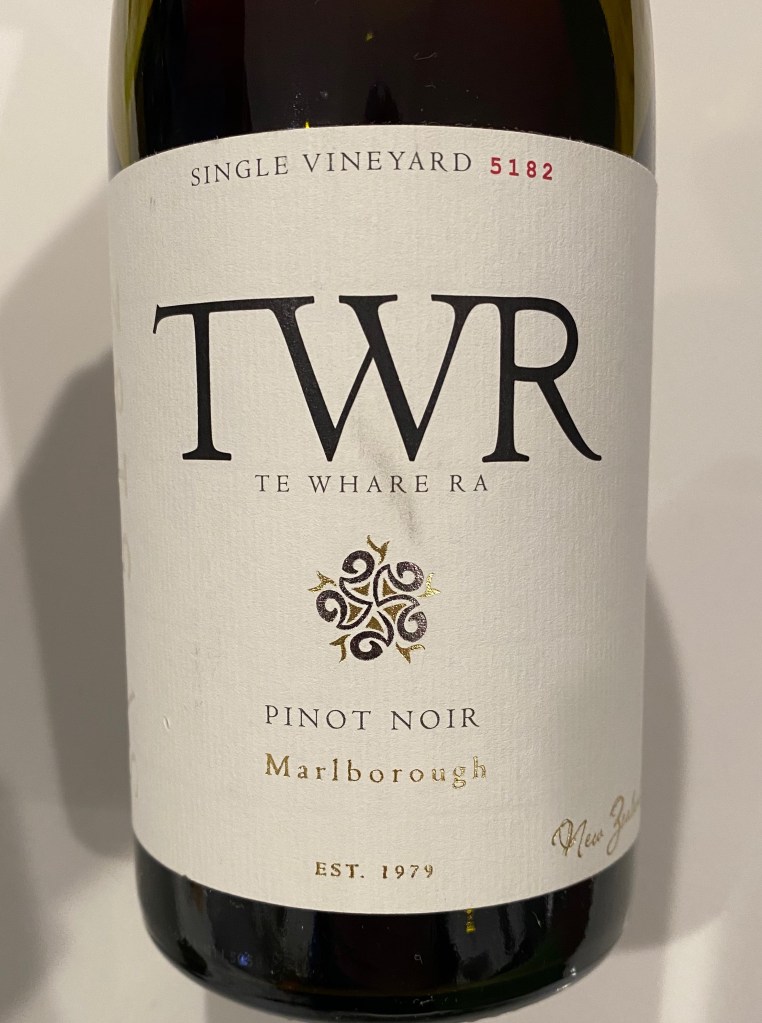
Te Whare Ra is a small family-owned winery established in 1979 but under the guide of winemakers Anna and Jason Flowerday since 2003. TWR’s vineyard is one of the oldest in Marlborough and consists of 11 hectares planted to Gewürztraminer, Riesling, Sauvignon Blanc, Pinot Gris, Chardonnay, Pinot Noir, and Syrah. Anna and Jason manage their vineyard adhering to organic and biodynamic principles, while also practicing minimal intervention in the cellar. The duo keeps their yields low, all fruit is hand-picked and hand-sorted, no chemicals are used in the vineyards, and the wine is made as naturally as possible with no fining agents, chemical tannins, or chemical yeast nutrients added. TWR is a founding member of Marlborough Natural Winegrowers (MANA) and is certified organic by BIOGRO NZ. To learn more about TWR’s farming and winemaking practices, explore their portfolio, or meet the team (including their cows and dogs), check out the website here.

Today’s Wine: 2014 Pinot Noir SV5182

100% Pinot Noir; 13.5% ABV

The 2014 Pinot Noir SV5182 is pale ruby in color and moderately transparent. I simply let this open in the glass for about 30 minutes and the nose showcases aromas of black cherry, raspberry, blue florals, leather, loamy earth, savory herbs, cinnamon, and peppered game. Once on the palate, the wine displays notes of blueberry, black raspberry, ripe cherry, spicy plum, tobacco, forest floor, wet stone, dried green herbs, and violet. This Pinot is medium-bodied with medium acidity, fine-grained medium (-) tannins, and a long finish. 129 cases produced.

Price: $40. This is elegant and of superb quality, while also being a fun exploratory wine since I haven’t had much Pinot Noir from New Zealand. The fact that this is a “natural” wine adds another delightful dimension. Pair this with duck breast, pulled pork, or baked chicken.