Perfectly Aged Napa Valley Cab

Today’s Story: Robert Mondavi Winery

Robert Mondavi is a historical and world-renowned Napa Valley winery established by Robert Mondavi in 1966. With the immense history and promise Mondavi felt with the To Kalon Vineyard in Oakville, he set up his winery there amongst the vines and set out to craft Napa Valley Cabernet Sauvignon that could compete with the greatest wines in the world. Mondavi did not only set his sights on Cabernet Sauvignon, however, releasing his first Fumé Blanc (made with Sauvignon Blanc) in 1968 which is the wine that ultimately became his signature bottling. As Mondavi’s prowess started to show in those early years, he also expanded into the Stags Leap District by acquiring the Wappo Hill Vineyard planted to Sauvignon Blanc, Merlot, and Cabernet Sauvignon in 1969. In 1970, Mondavi met for the first time with Baron Philippe de Rothschild and the duo voiced an idea of creating a joint venture that ultimately became Opus One, established in 1978 with an inaugural vintage of 1979.

As Mondavi’s wines grew in prominence, so did his reputation almost like a father to Napa Valley winemaking. He was instrumental in bringing music to the Valley with his Summer Music Festival, showcased his philanthropic mindset by helping to pioneer Auction Napa Valley, and advanced the magic of food and wine pairing by creating the Mission Tour, Great Chefs of France, and Great Chefs of America programs. Robert Mondavi’s impact on Napa Valley and the wine world beyond is as strong and steadfast now as it was back then, and the world of California winemaking will forever thank him.

I previously reviewed the 1981 Reserve Cabernet Sauvignon and 1980 Reserve Pinot Noir.
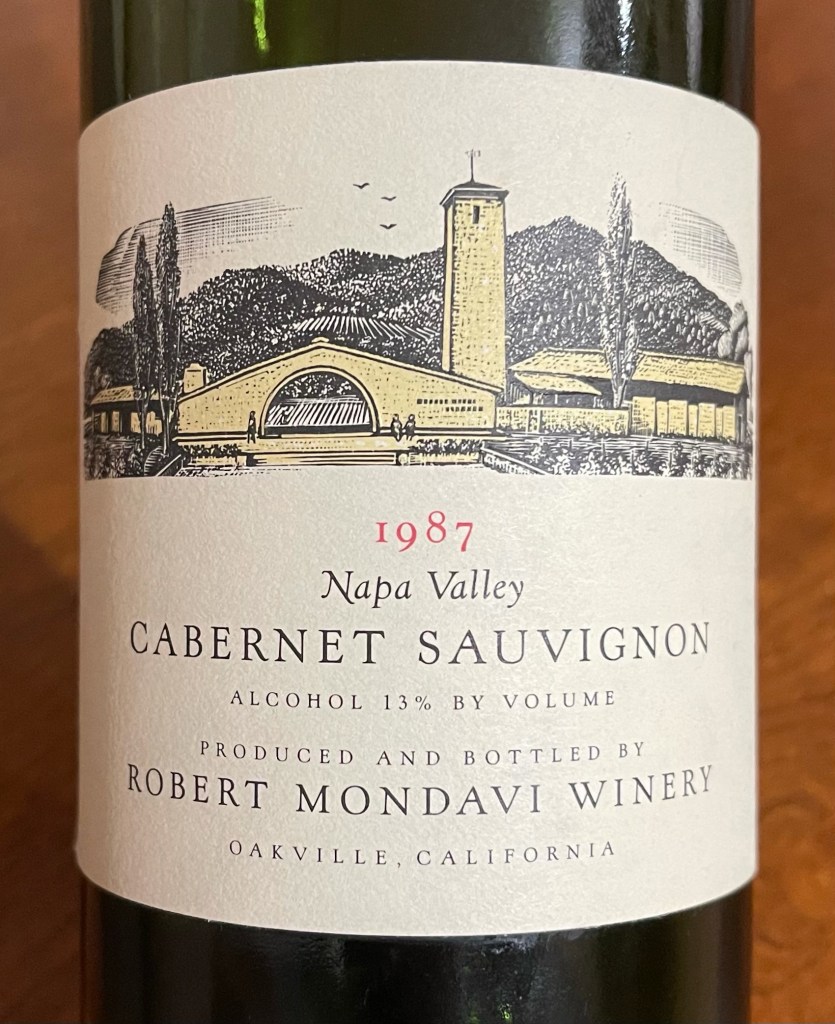
Today’s Wine: 1987 Cabernet Sauvignon

87% Cabernet Sauvignon, 8% Cabernet Franc, 5% Merlot; 13% ABV

The 1987 Cabernet Sauvignon is medium to deep garnet in color. I drank this as a pop and pour, and there really wasn’t a huge amount of sediment in the bottle. Given a short time in the glass, the wine blossoms with aromas of pronounced intensity and a nose of redcurrant, blackcurrant, forest floor, violet, graphite, green bell pepper, eucalyptus, clay, and cedar. Meanwhile the flavors are also of pronounced intensity and the palate displays notes of blackberry, redcurrant, mushroom, dried tobacco, charred green herbs, green bell pepper, crushed rock, and oaky spice. This dry red is medium-bodied with medium (+) acidity, mature medium tannins, medium alcohol, and a medium length finish.

Price: $110. This is a very fun wine to try and it’s showing very well, but I’d say it’s more of an experience wine than necessarily a “value wine.” The balance, intensity, and complexity are all great, but the shorter length of the finish does detract slightly from the overall experience of the wine.

Complex and Ageworthy Howell Mountain Cab

Today’s Story: Red Cap Vineyards

Red Cap Vineyards’ story begins in 1998 with Tom and Desiree Altemus when they purchased a 10.5 acre property on Howell Mountain. Though Tom’s background is originally in finance working for IBM, he grew an appreciation for fine wine during business trips and ultimately quit to pursue a career as a chef in 1991. After graduating from the California Culinary Academy in San Francisco, Tom worked for famed chefs and restauranteurs including Michel Richard and Bradley Ogden before settling in at Brava Terrace in St. Helena. With the birth of the couple’s first child, Tom left the restaurant industry and the birth of their second child created the need to expand from Napa to Howell Mountain.

Having purchased their property, the Altemus family started planning their vineyards in 2000 with viability studies and archeological, biological, and botanical surveys. Due to seemingly endless regulations, the land was finally cleared and prepped in 2003 and the first vintage of Cabernet Sauvignon released in 2005 with 50 cases. Having personally visited the property, I can attest that the land is not only beautiful but the vineyard rows are stunning to look at. The vineyards are planted on iron-rich volcanic soil that in person is very red and rocky, while all fruit is grown organically and hand-farmed.

I previously reviewed Red Cap’s 2014 Cabernet Sauvignon, though I’ve consumed many bottles of their wine across vintages and including the Sauvignon Blanc as well.

Today’s Wine: 2015 Cabernet Sauvignon

100% Cabernet Sauvignon; 15% ABV

The 2015 Cabernet Sauvignon is deep ruby in color, though incredibly opaque and nearly black at its core. I decanted this for about six hours, as these wines tend to need quite some time at this youthful stage. The aromas are of pronounced intensity, with the nose showcasing notes of blackberry, plum, blueberry, black cherry, violet, licorice, graphite, tobacco, cola, cedar, and chocolate. Meanwhile the flavors are also of pronounced intensity and the palate displays notes of blackberry, blueberry, cassis, anise, violet, tobacco, cola, chocolate, and baking spice. This dry red is full-bodied with medium (+) acidity, medium (+) but fine-grained tannins, high alcohol, and a long finish. 310 cases produced.

Price: $120 ($102 as a member). I’m a huge believer that these wines offer great value, especially with the club pricing. The wines are deep, concentrated, and complex beasts that need time in the cellar or plenty of air, but they always perform above their price-point to me.

An Unusually Approachable Dunn Howell Mountain Cab

Today’s Story: Dunn Vineyards

Dunn Vineyards dates to 1979 when Randy and Lori Dunn purchased a 14 acre parcel in Angwin with about 5 acres planted to Cabernet Sauvignon. Though Randy worked as a winemaker in Rutherford for his day job, he spent the nights and weekends with Lori and their young son Mike farming their vines. The Dunn family also farmed Harry Frank’s adjacent vineyards and purchased the fruit resulting in a first harvest of 9 tons of fruit. With an additional purchase of 3 tons from Beatty Ranch, the Dunn’s were on their way to producing their first vintage.

The family moved onto their property shortly thereafter with another young child, Jennifer, and Dunn Vineyards was officially bonded in 1981. After their second daughter, Kristina, was born, Randy was still working in Rutherford when the winery’s success picked up and encouraged him to leave his job in 1985 to move into a new family house and put all of their effort into Dunn Vineyards. By the late 1980s, Randy was consulting for other wineries, their wine was selling out, and the family needed to burrow into the mountain in 1989 to create more room for barrels.

Mike returned in 1999 and three years later became a full-time employee at Dunn Vineyards and after Kristina graduated from Cal Poly with a degree in winemaking and viticulture she joined as well. Today, Kristina’s daughters play in the vineyards and Mike’s son helps bottle the wines, making it seem the family tradition at Dunn Vineyards is set to continue into three generations and beyond. Today, the family farms 42 acres of Cabernet Sauvignon high up on Howell Mountain and the resulting wines are elegant yet profound and built for cellaring.

I previously reviewed the 2014 Napa Valley Cabernet Sauvignon from Dunn, which is a generally more accessible bottling made from mountain and valley floor fruit.

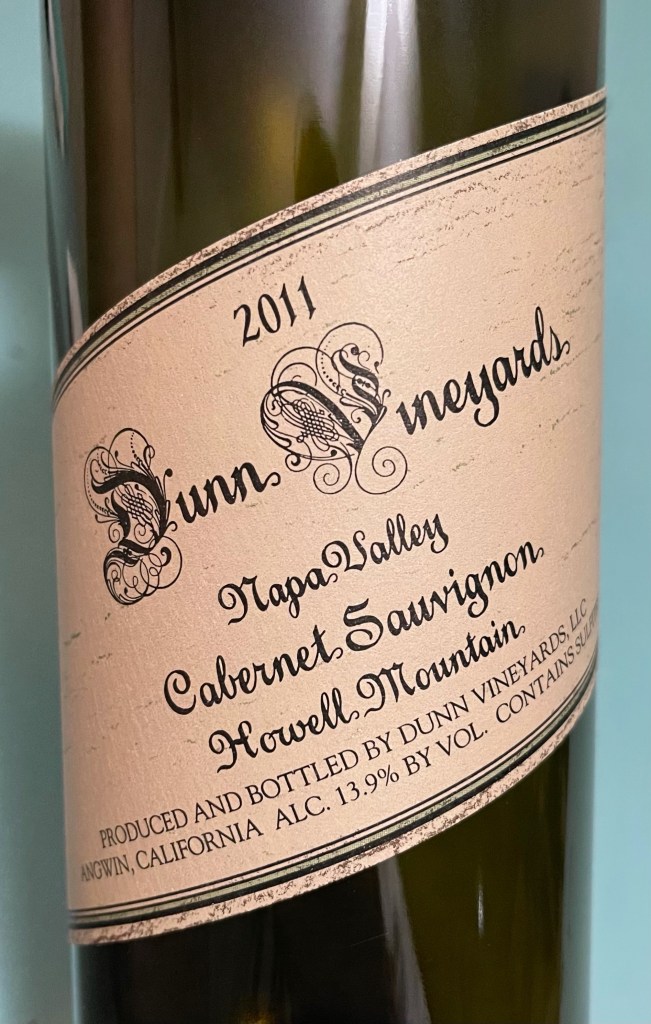
Today’s Wine: 2011 Howell Mountain Cabernet Sauvignon

100% Cabernet Sauvignon; 13.9% ABV (though it seems like it’s actually slightly higher)

The 2011 Howell Mountain Cabernet Sauvignon is deep ruby in color and opaque. Given a couple hours to decant, this wine blossoms into a complex and approachable bottling. The aromas are of pronounced intensity, with the nose showcasing notes of blackberry, blueberry, cassis, anise, menthol, lavender, leather, tobacco, and chocolate. There’s a touch of brett as well but not enough to detract. Meanwhile the flavors are also of pronounced intensity and the palate displays notes of black cherry, plum, blueberry, blackberry, dried tobacco, menthol, licorice, dried green herbs, and a touch of oak-driven spice. This dry red is medium- to full-bodied with medium acidity, medium (+) but refined tannins, medium (+) alcohol, and a medium (+) length finish.

Price: $160 (I paid $112). I’ve long been a fan of Dunn’s wines, and I think they offer solid value next to their counterparts in other mountain AVAs and especially those on the valley floor. Though you have to be very patient with the Howell Mountain bottlings, this 2011 was rather approachable given the vintage conditions and I will certainly try to buy more.

Big and Bold Napa Cab From Calistoga

Today’s Story: Heritage School Vineyards

Heritage School Vineyards (initially named Harris Estate Vineyards) was established in 1997 by Mike and Treva Harris on an extension of Diamond Mountain in Calistoga of the Napa Valley. The property consists of 48 acres, however only 6 acres are planted to vineyards and 100% Cabernet Sauvignon. In 2014, David and Linda Jenkins purchased the property and renamed it to pay homage to the Heritage School which was a private school for boys on site. Heritage School consists of three estate vineyards named Missiaen’s Hillside, Casey’s Lakeview, and Julie’s Creekside, as well as a non-estate vineyard source for Hannah’s Indulgence with all four wines names after the Jenkins’ daughters. Thomas Brown has been winemaker since 2006, and the wines age in a 100% new French oak barrel program. Production is rather limited, with total volumes typically around 1,200 cases per vintage.

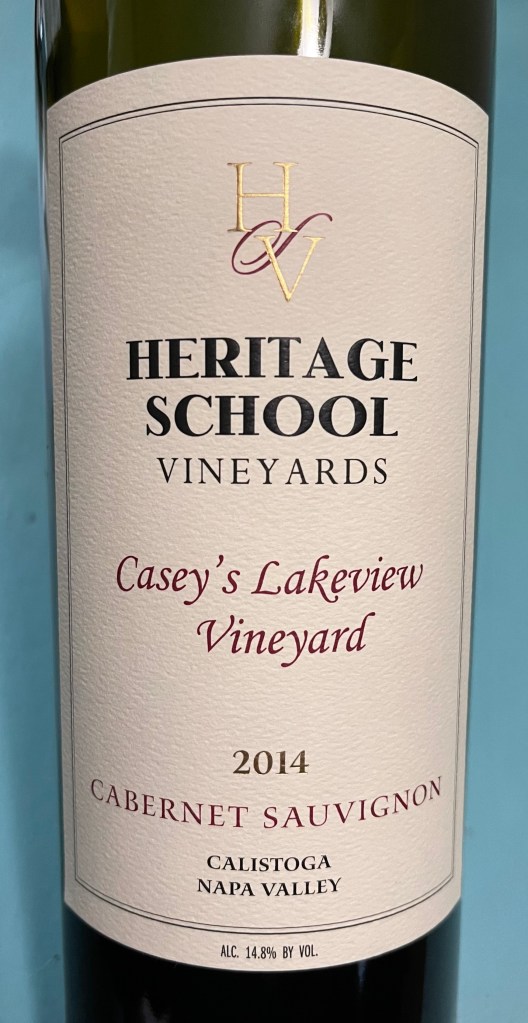
Today’s Wine: 2014 Casey’s Lakeview Vineyard Cabernet Sauvignon

100% Cabernet Sauvignon; 14.8% ABV

The 2014 Casey’s Lakeview Vineyard Cabernet Sauvignon is deep purple/ruby in color with heavy staining on the glass. I double decanted this bottle, as it’s still rather youthful. Aromas are of pronounced intensity, with the nose showcasing notes of blackberry, blueberry, crème de cassis, anise, clay, cinnamon, chocolate, vanilla, and toasted oak. There’s some heat from the alcohol as well that needs time to integrate. Meanwhile the flavors are also of pronounced intensity, and the palate displays notes of blackcurrant, black plum, blueberry, licorice, coffee grounds, iron, and rich dark chocolate. This dry red is full-bodied with medium (+) acidity, high tannins, high alcohol, and a long finish. 250 cases produced.

Price: $140. Though this is certainly a high quality wine and offers good intensity and complexity, it’s not my preferred style. The oak influence definitely sticks out to me and this is a rather big and bold Cab. I think there are better values out there too given this price-point which sees a lot of competition.

Old School Napa Chardonnay for the Cellar

Today’s Story: Mayacamas Vineyards

Mayacamas was established in 1889 by German immigrant John Henry Fisher and is located in the Mt. Veeder AVA of the Napa Valley. Fisher went bankrupt in the early 1900s, however, and the winery ceased production with the onset of Prohibition (although bootleggers are said to have made wine in the cellars during the early years). Mayacamas was owned by the Brandlin family during the 1920s and 1930s, before being purchased by Jack and Mary Taylor in 1941 when the estate received its current name. Mayacamas changed hands yet again in 1968 when Robert and Elinor Travers purchased it, with the couple quickly setting about expanding the aging facilities and vineyard holdings while planting and replanting vines. Charles and Ali Banks purchased Mayacamas in 2007, though the winery has since changed hands again to the Schottenstein family.

Though the history of Mayacamas is long and inclusive of many ownership changes, the one constant is the traditional style of winemaking they practice. Mayacamas was one of the wines in the 1976 Judgment of Paris (they poured their 1971 Cabernet Sauvignon) which showed the estate can stand up with the greatest Californian and French wines of the world. Mayacamas dry farms their vineyards and transitioned a large portion to organic viticulture in 2013, further enhancing the quality of fruit. Very traditional in style, they age the wines in neutral oak to not mask any of the true expressions of the Cabernet Sauvignon variety or the terroir.

I previously wrote about Mayacamas when I reviewed the 1989 Cabernet Sauvignon last June.

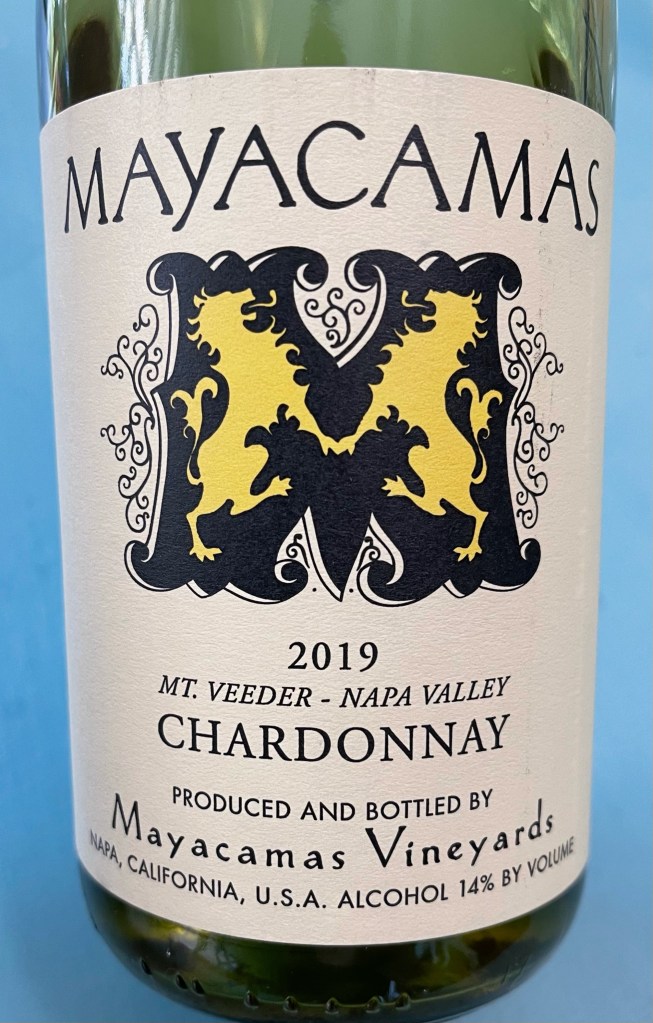
Today’s Wine: 2019 Chardonnay

100% Chardonnay; 14% ABV

The 2019 Chardonnay is pale gold in color and transparent. 30 to 40 minutes in the glass does the wine wonders at this youthful stage. The aromas are of pronounced intensity, with the nose showcasing aromas of green apple, ripe pear, lemon zest, melon rind, honeysuckle, flint, and minerality reminiscent of finely crushed rock. Meanwhile the flavors are also pronounced, with the palate displaying notes of Granny Smith apple skins, lime pith, poached pear, chamomile, wet stone, mild white pepper, and almond. This dry white is medium-bodied with medium (+) acidity, high alcohol, and a long finish.

Price: $50. I think this is very well-priced and offers solid value. The intensity, complexity, and structure bode well for the longer term and this is made in a very old school style which I love.

Fun and Refreshing Napa White Blend That Begs for an Oyster Pairing

Today’s Story: Matthiasson Family Vineyards

Matthiasson Family Vineyards is a relatively small winery established in 2003 by Steve and Jill Klein Matthiasson. Steve grew up passionate about farming, passing time as a gardener and cook while in college before co-writing the California manual on sustainable vineyard practices in 1999 after graduate school for horticulture. Jill is also passionate for farming, particularly the sustainability side of it, and she studied botany at Penn before ultimately attending UC Davis for grad school studying traditional methods for soil health.

Matthiasson is probably most well-known for their Napa Valley White Wine that I’m reviewing today (an interesting blend of Sauvignon Blanc, Semillon, Ribolla Gialla, and Tocai Friulano), but they also either grow or source (often by lease) Chardonnay, Cabernet Sauvignon, Merlot, and Cabernet Franc amongst other varieties. Steve and Jill maintain their own vineyard in the West Oak Knoll area, while sourcing from others throughout the Napa Valley and Sonoma County including Red Hen, Bengier, and Linda Vista amongst others. All of the vineyards are either organically farmed or transitioning to organic viticulture, and as you might guess Steve and Jill believe great wine starts in the vineyards. Steve is pretty involved in each vineyard they source fruit from, catering farming practices to each specific one so that no matter the source their fruit is healthy and fully ripe. Coupled with his traditional winemaking methods, the Matthiasson wines come out beautifully balanced with lower levels of alcohol and gorgeous acidity.

I previously wrote about Matthiasson when I reviewed the 2018 Linda Vista Vineyard Chardonnay back in May, 2020.

Today’s Wine: 2019 White Wine

50% Sauvignon Blanc, 25% Ribolla Gialla, 23% Semillon, 2% Tocai Friulano; 12.5% ABV

The 2019 White Wine is pale yellow in color. The aromas are of pronounced intensity and the nose is absolutely gorgeous, showcasing notes of white peach, lemon pith, seashell, flint, raw almond, slight reduction (almost like petrol), wet river stone, and dried straw/hay. Flavors are also of pronounced intensity, with the palate displaying notes of green apple, pineapple, white peach, lime zest, beeswax, wet rock, saline minerality, and mild oaky spice. This dry white blend is medium-bodied with vibrant, high acidity, medium alcohol, and a medium (+) length finish. The wine begs for an oyster pairing and the finish leaves one craving the next sip. 893 cases produced.

Price: $40. Though not inexpensive, I believe this wine offers great value solely based on its complexity, balance, and intensity. Then factor in that it’s fun, refreshing, and can age for quite a few years and you’ve got a showstopper.

Refreshing Pinot Grigio for the Summer Months

Today’s Story: Gargiulo Vineyards

Gargiulo is a relatively small, family-owned winery in Oakville, Napa Valley that produces about 3,400 to 4,000 cases of wine each year from two vineyards. Owners Jeff and Valerie Gargiulo bought their first vineyard, Money Road Ranch, in 1992 to fulfill their winemaking dream, adding to the property seven years later by purchasing the 575 OVX property. Founded as a Cabernet Sauvignon estate, Gargiulo produces three different Cabs and a Sangiovese, though they also have Cabernet Franc, Petite Verdot, and Merlot planted for blending in their G Major 7 Cab. Gargiulo produces small amounts of Chardonnay from Frank Wood Ranch, a rosé of Sangiovese, and a Pinot Grigio as well.

The Gargiulo family and their winemaker, Kristof Anderson, follow a more hands-off approach to winemaking, who in their words say is “gentle and patient.” When it comes time to harvest the grapes, they do so by hand at dawn, hand sort the grapes three times, and use gravity flow methods for winemaking. This arguably preserves the natural fragrances and flavors of the wines by removing pumps and machinery, and is a reason I believe Gargiulo wines are consistently elegant yet structured to go the distance.

I previously wrote about Gargiulo when I reviewed the 2015 Aprile, 2017 Frank Wood Ranch Chardonnay, 2009 Money Road Ranch Cabernet Sauvignon, and 2012 Money Road Ranch Cabernet Sauvignon.

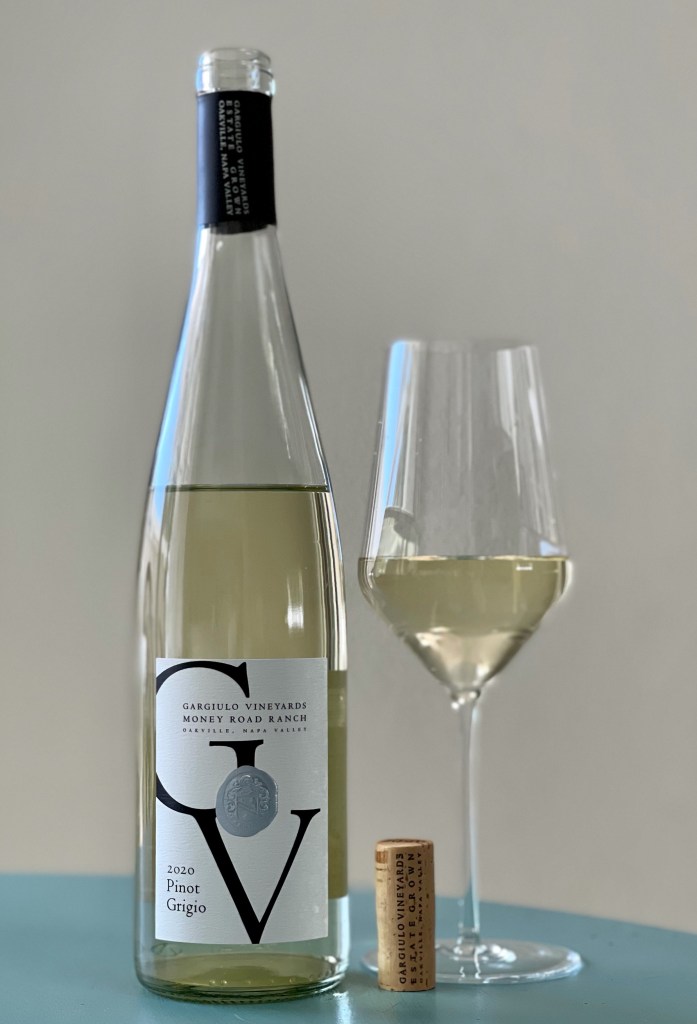
Today’s Wine: 2020 Money Road Ranch Pinot Grigio

100% Pinot Grigio; 12.5% ABV

The 2020 Money Road Ranch Pinot Grigio is pale yellow in color with mild greenish hues near the rim of the glass. The aromas are of medium intensity, with the nose showcasing notes of white peach, lemon zest, fresh cantaloupe, white wildflower, lemongrass, and wet stone. Meanwhile the flavors are also of medium intensity and the palate displays notes of green apple, lime zest, pear, nectarine, grapefruit, honeysuckle, and gravel. This refreshing dry white is light- to medium-bodied with vibrant and mouthwatering high acidity, medium alcohol, and a long finish. Very good representation of the variety, and one that isn’t too common in the Napa Valley.

Price: $40. This is very pricey for a Pinot Grigio, however the quality is impeccable and this is a great representation of the variety. Coupled with the wine’s great balance, small production, and purity I would buy this again. Very refreshing and enjoyable on a hot day.

Mature and Elegant Napa Cab With “Cult” Beginnings

Today’s Story: BOND

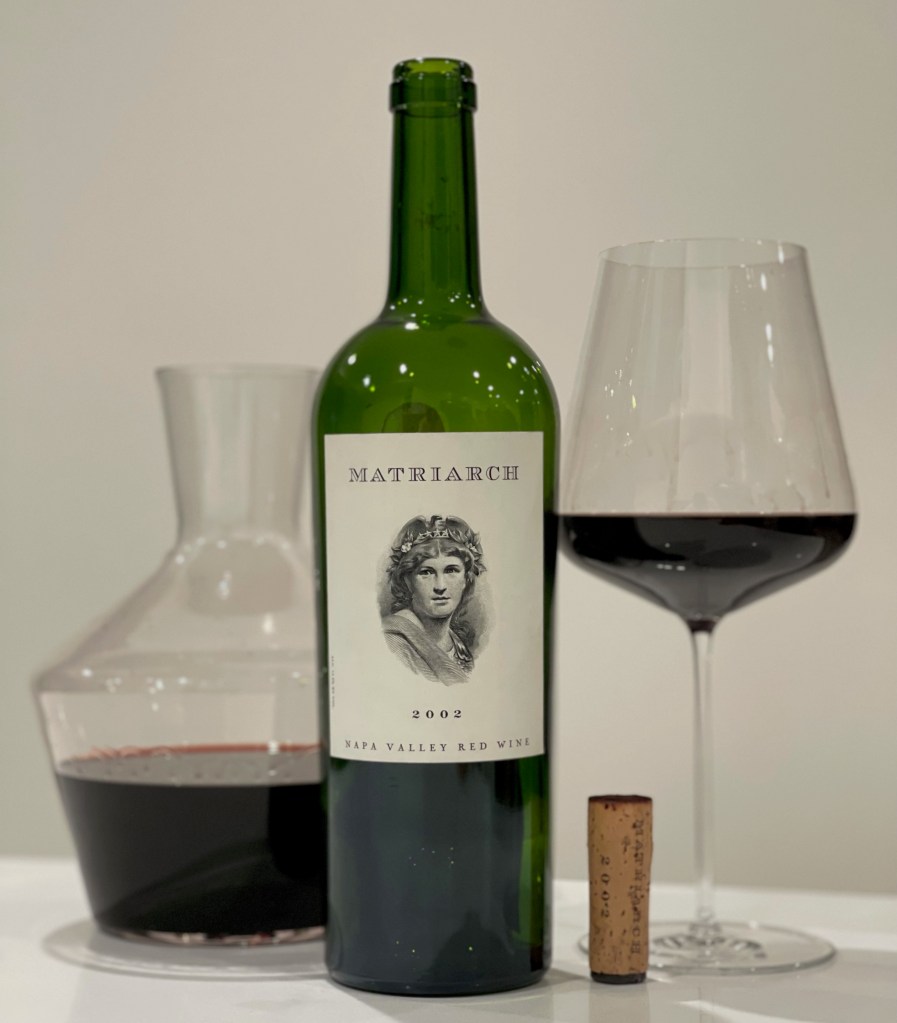
BOND was established in 1996 by H. William Harlan and Bob Levy with the goal of creating single vineyard designate wines from a small number of carefully selected Napa Valley vineyards of “Grand Cru” quality. Though BOND does not own their vineyard sites, they currently have partnerships with five vineyard owners and all vineyard management is done by the BOND team themselves rather than the owners. Today BOND produces the Grand Crus of Melbury (est. 1999), Vecina (est. 1999), St. Eden (est. 2001), Pluribus (est. 2003), and Quella (est. 2006). They also craft a second wine called Matriarch (which I am reviewing today) and it is a blend of all five sites from the wine not included in the Grand Cru bottlings. The five vineyard sites are small hillside vineyards of Cabernet Sauvignon, ranging from 7 to 11 acres in size. Total annual production for each Cru ranges from about 400-700 cases, whereas production of the Matriarch is less than 1,500 cases.

Today’s Wine: 2002 Matriarch

100% Cabernet Sauvignon; 14.5% ABV

The 2002 Matriarch is deep garnet in color but it is still incredibly dark and opaque for its age. I decanted this for sediment, but it really only took about 30 minutes to show beautifully. The aromas are of pronounced intensity, with the incredibly complex nose showcasing notes of crème de cassis, stewed plum, prune, fig, licorice, cigar box, leather, damp earth, graphite, mushroom, dried green herbs, and chocolate. Flavors are also of pronounced intensity, and the equally complex palate displays notes of blackberry, blackcurrant, black cherry, fig, rich baked plum, tobacco, licorice, charred herbs, wet soil, cocoa powder, and coffee grounds. This dry red is medium- to full-bodied with medium (+) acidity, mature medium tannins, high alcohol, and a long finish. Absolutely gorgeous, and I don’t think it gets any better from here.

Price: $180. This is very appropriately priced, and given the rest of the wines in the Harlan family portfolio it offers great value if you’d like to see what their wines are all about. With the Matriarch much like the Mascot, these are wines that remain a staple for me when I purchase my Napa Cab allocations.

Fun and Refreshing Napa Valley White Blend

Today’s Story: Massican Winery

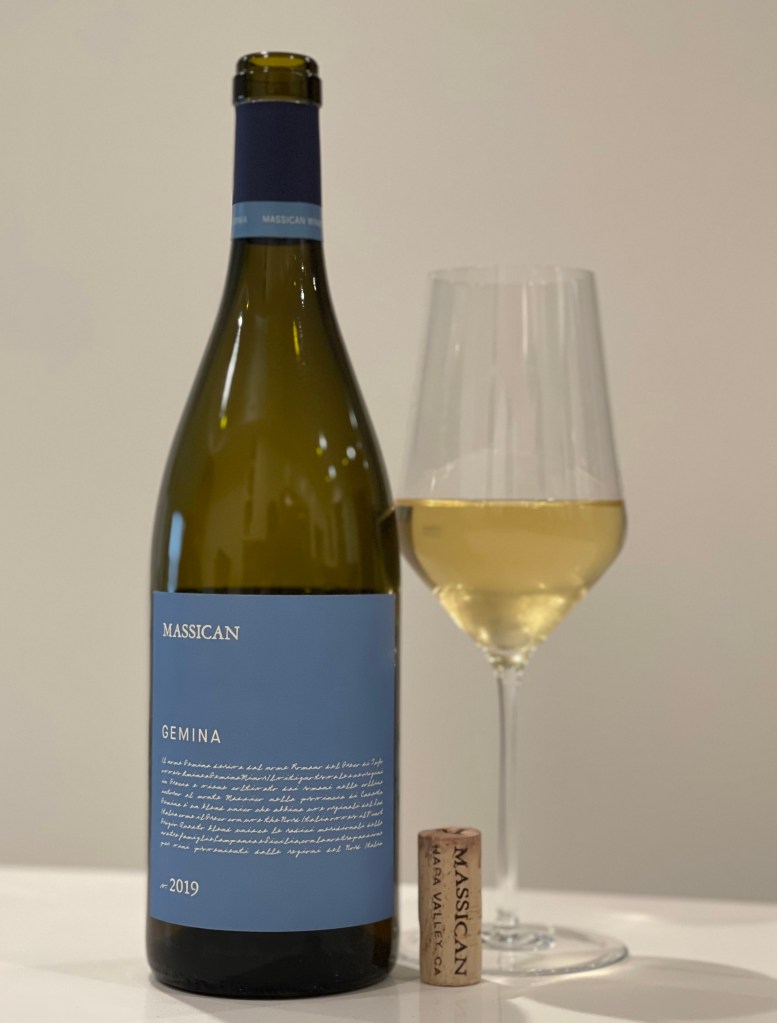
Massican Winery was established in 2009 by winemaker Dan Petroski (also of Larkmead Vineyards) and was born out of his passion for Italy and the country’s lifestyle, culture, and wines. Massican is a very unique endeavor in Napa Valley, focusing exclusively on white grape varieties including Tocai Friulano, Ribolla Gialla, Pinot Bianco, and Greco common in northeastern Italy as well as the more “expected” varieties of Sauvignon Blanc and Chardonnay. True to Dan’s mission, the Massican wines are not only made with uncommon varieties for Napa but they are also not the stereotypical oaky white wines the region is known for. Dan uses varying amounts of new and neutral oak as well as stainless steel, also not allowing his wines to go through malolactic fermentation so they maintain the crisp, fresh, and refreshing characteristics of each grape variety. Another contributing factor is how Dan picks his grapes at lower sugar levels, preserving the vibrant acidity and resulting in often lower-alcohol wines.

I previously reviewed the 2019 Sauvignon Blanc and 2019 Annia from Massican, both pure and fun Napa Valley white wines.

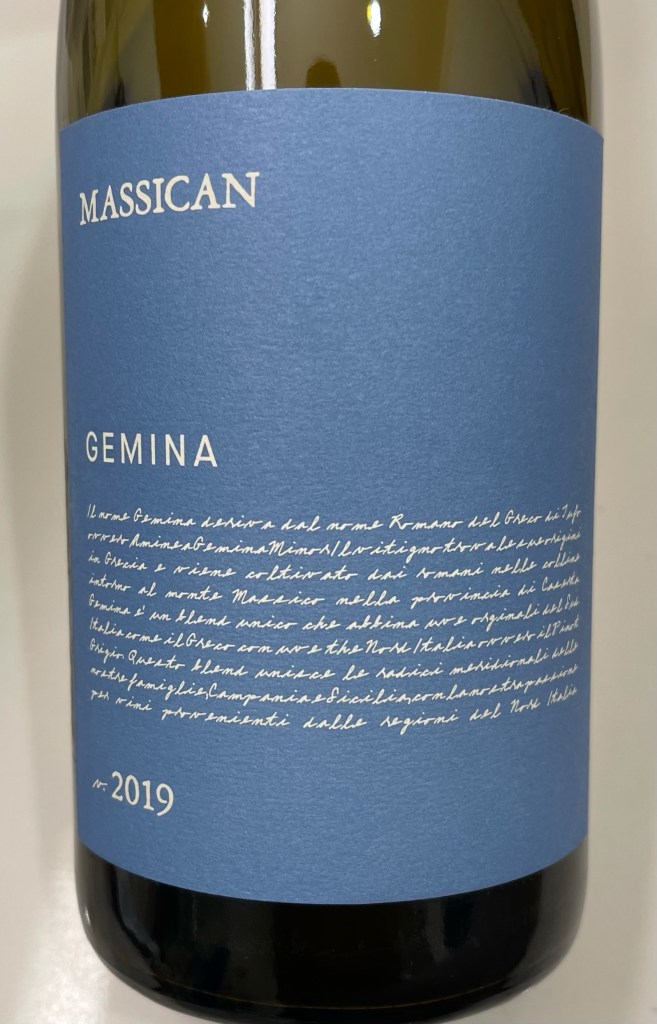
Today’s Wine: 2019 Gemina

74% Pinot Bianco, 26% Greco; 13% ABV

The 2019 Gemina is pale to medium yellow in color. The aromas are of medium intensity, and the nose showcases notes of white peach, pear, yellow apple, lemon zest, honeysuckle, dried almond, and oyster shell. Meanwhile the flavors are also of medium intensity, with the palate displaying notes of lemon zest, ripe pear, yellow apple, peach, crushed rock, and saline mineral. There’s a slight herbal characteristic to the wine as well. This dry white is medium-bodied with high acidity, medium alcohol, and a long finish.

Price: $30. This is pretty good value given the quality, and it’s a fun uncommon blend for Napa and Sonoma. I was a big fan of this wine, and it’s a very refreshing white for a hot day.

Fruity, Floral, and Refreshing Summer White

Today’s Story: Arnot-Roberts

Arnot-Roberts is a boutique winery established in 2001 by Duncan Arnot Meyers and Nathan Lee Roberts, two childhood friends who grew up together in Napa Valley. After college, Nathan started working with his father as a cooper of oak wine barrels while Duncan pursued winemaking throughout Napa and Sonoma counties. Arnot-Roberts began with a single barrel of wine the duo produced in their basement and over time grew through the purchase of fruit from renowned vineyards in Napa, Sonoma, El Dorado, and Amador counties as well as the Santa Cruz Mountains. When selecting vineyards, Arnot-Roberts makes sure the farmers are both “passionate and conscientious” because their goal is to produce small quantities of honest, terroir-driven single-vineyard wines which truly express their unique place. The winemaking style is a mix of Old World and New World, with use of indigenous fermentation, little or no new oak, and often whole cluster.

Arnot-Roberts is a producer I keep coming back to, as I previously reviewed the 2016 Que Syrah Vineyard, 2018 North Coast Trousseau, and 2018 Watson Ranch Chardonnay.

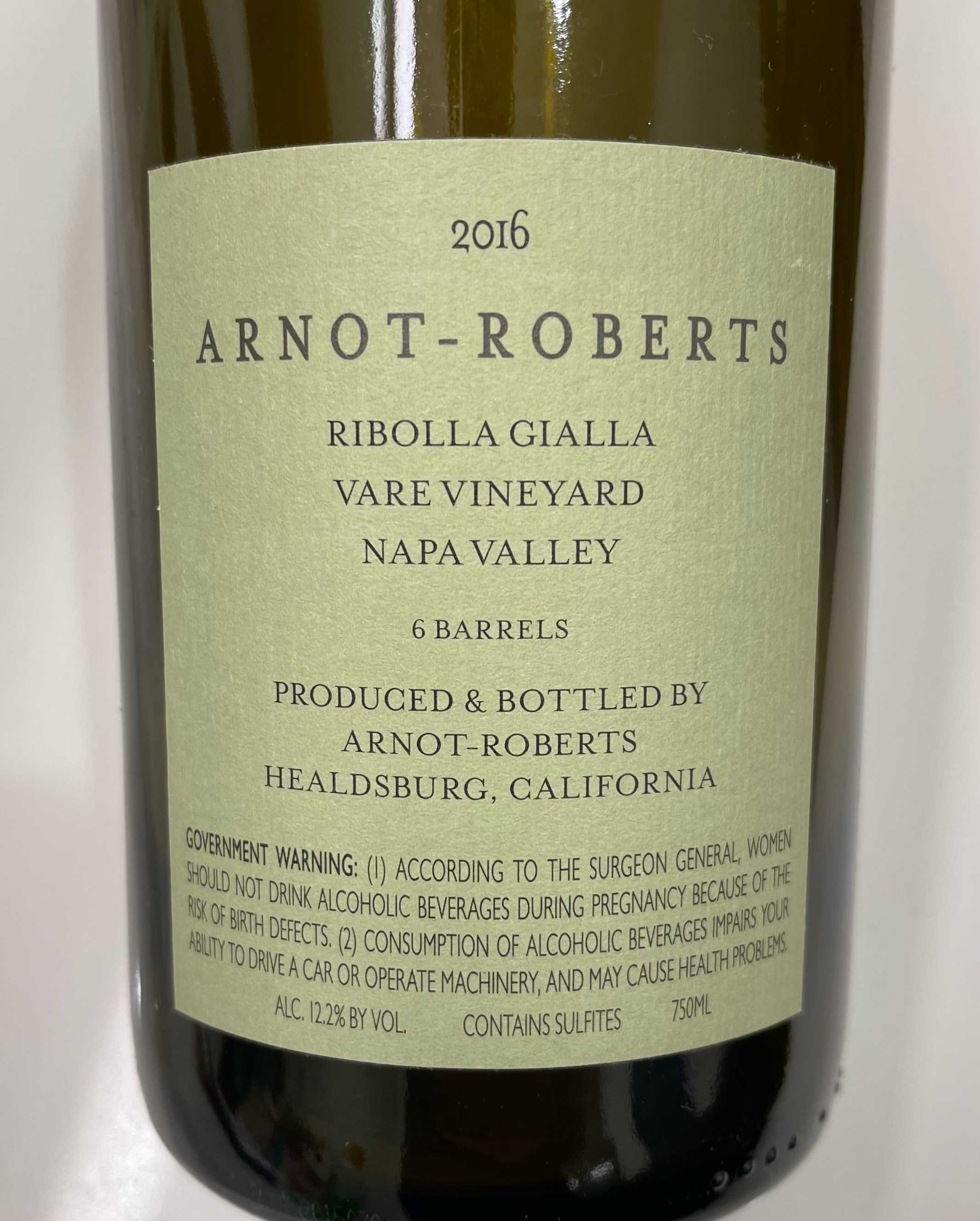
Today’s Wine: 2016 Vare Vineyard Ribolla Gialla

100% Ribolla Gialla; 12.2% ABV

The 2016 Vare Vineyard Ribolla Gialla is pale gold in color and transparent. The delicate and inviting aromas are of medium intensity, and the nose showcases notes of pear, lemon zest, green apple skins, white lily, beeswax, and delicate dried green herbs. Meanwhile the flavors are also of medium intensity and the palate displays notes of fresh pear, green apple, lemon peel, tangerine, white florals, dried thyme, and chalky mineral. This dry white is light- to medium-bodied with medium (+) acidity, medium alcohol, and a long finish. Very refreshing and enjoyable, so I could see this becoming a staple for my summer. 6 barrels produced.

Price: $44. Though this isn’t inexpensive and there are better “values” out there, I believe this is very fairly-priced and I would certainly buy it again over and over. I think this is a very nice representation of the Ribolla Gialla variety, and the beauty and purity in this wine is quite impressive.